

Old Maid is a classic card game that has entertained families and friends for generations. Its simplicity, coupled with an element of surprise, makes it a favorite among both young children and adults. Whether you’re reminiscing about childhood memories or introducing this beloved game to the next generation, understanding how many cards are dealt in Old Maid is key to setting up an enjoyable experience. But there’s more than just dealing cards involved! The thrill lies in forming pairs while avoiding the infamous Old Maid card. Whether you’re playing casually on a lazy afternoon or during lively family gatherings, mastering the fundamentals can enhance your gameplay. Let’s dive into the essentials of Old Maid and discover everything from setup to winning strategies!
The Setup: How Many Cards are Needed for a Game of Old Maid?
To set up a game of Old Maid, you need a standard deck of playing cards. Typically, the game is played with 52 cards. However, to add an element of fun and intrigue, one Queen is usually removed from the deck. This results in 51 cards being used for gameplay. The missing card creates the infamous “Old Maid,” adding suspense as players try to avoid holding her at the end of the game. The number of players can vary. Ideally, anywhere from two to eight people can join in on this classic card game. Just remember that more players may lead to longer games but also increase excitement! Organizing your cards before dealing ensures everyone knows their role right from the start. It’s all about establishing a lively atmosphere where strategy meets chance!
The Dealing Process
how many cards are dealt in old maid is a simple yet crucial step. It sets the stage for an engaging game filled with anticipation and strategy. To begin, shuffle the deck thoroughly to ensure randomness. This adds excitement as players await their fate. Next, each player receives a specific number of cards based on total participants. For smaller groups, typically seven cards are dealt; for larger gatherings, this may range from five to six cards per person. Players then look at their hands while keeping them concealed. The goal is to form pairs by discarding matching cards. Once all pairs are laid down, players can start drawing from opponents’ hands in hopes of finding more matches. This interaction creates suspense and fun as everyone tries to avoid becoming the Old Maid!
Strategies for Winning at Old Maid
To excel at Old Maid, focus on memory. Pay attention to the cards others draw and discard. Remember who picked what. Next, try to create pairs quickly. This reduces the number of cards in your hand and increases your chances of not drawing the dreaded Old Maid. Keep an eye on your opponents’ expressions too. A hesitant player might be hiding something valuable or dangerous. When it’s your turn, consider bluffing a little if you feel confident. Sometimes pretending you have no strong options can throw off other players’ strategies. Take turns with younger children carefully. Help them understand how to form pairs without making it too competitive or stressful for them. This keeps everyone engaged and having fun!
Variations of Old Maid
Old Maid has inspired various fun twists over the years. One popular variation involves themed decks featuring characters from movies or cartoons, making it even more appealing to kids. Another interesting twist is the addition of special cards. These can introduce unique rules, like allowing players to swap hands or skip turns. This adds an unexpected layer of strategy and excitement. Some groups prefer a timed version where each round lasts only a few minutes. Players must act quickly to make pairs before time runs out, creating a thrilling atmosphere. For adults, there are versions with more sophisticated rules and larger player counts. These adaptations often include additional jokers or alternative winning conditions, deepening the gameplay experience while keeping the essence intact.
With so many variations available, Old Maid never gets stale! Each new spin brings fresh challenges and laughter around the table.
Tips for Playing with Young Children
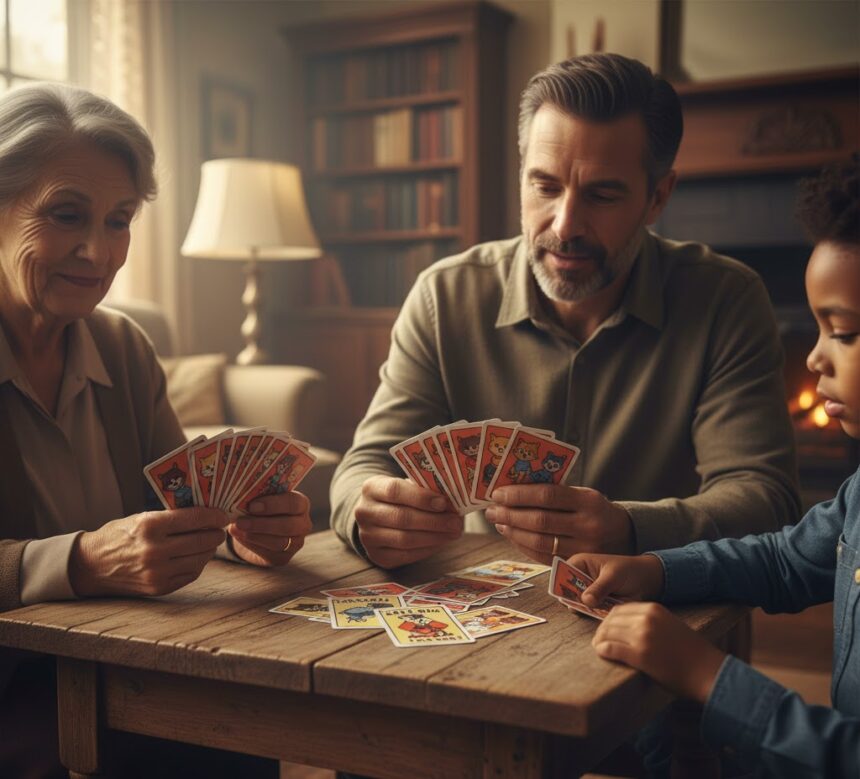
Playing Old Maid with young children can be a delightful experience. To keep them engaged, use a colorful deck of cards that features fun characters or animals. This visual appeal can make the game more exciting. Simplify the rules if needed. Young players may struggle with complex strategies. Focus on matching pairs and eliminating the Old Maid to enhance understanding. Encourage teamwork among players. Have older siblings or adults help younger ones by guiding their choices without giving away too much information. Keep sessions short to maintain attention spans. If they lose interest, it’s easy for frustration to set in, so wrap up before it becomes tedious. Celebrate every match made! Positive reinforcement helps build confidence and keeps everyone smiling throughout the game. This way, playing Old Maid becomes not just about winning but also about enjoying time together.
Conclusion
Old Maid is more than just a game; it’s a delightful way to spend time with friends and family. The simplicity of the card game makes it accessible for all ages, while its unpredictable twists keep everyone engaged. Whether you’re playing with traditional cards or exploring variations, understanding how many cards are dealt in Old Maid sets the stage for an exciting experience. As you navigate through strategies, remember that patience and observation can improve your chances of winning. Plus, adapting the rules slightly allows younger players to join in on the fun without feeling overwhelmed. So gather your deck of cards, invite some loved ones over, and enjoy a lively round of Old Maid. You might just find yourself laughing at unexpected moments as you try to avoid becoming the infamous “old maid.”