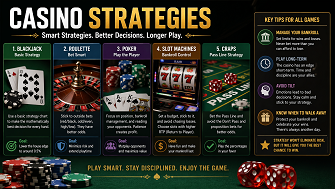



Bankroll management is a fundamental concept that every casino enthusiast should comprehend to enhance their gaming experience. At its core, a bankroll refers to the total amount of money that an individual allocates specifically for gambling purposes, distinct from personal funds meant for living expenses or savings. The differentiation between these two types of funds is crucial; it safeguards an individual’s financial stability while allowing them to enjoy the thrill of casino gaming. Effective bankroll management helps players set realistic budgets, thereby controlling their gambling activities. By establishing a bankroll, gamblers can determine how much they are willing to spend, which mitigates the risk of overspending and significantly reduces the chances of financial distress. Moreover, proper management of a bankroll can lead to a more enjoyable gambling experience, as players are less likely to feel pressured or anxious about their financial decisions during gameplay. Conversely, poor bankroll management can lead to significant challenges. For instance, if a player does not adhere to a pre-established budget and instead utilizes personal funds indiscriminately, the risk of addiction and financial loss increases dramatically. This lack of discipline can result in chasing losses, a behavior where players continuously gamble in an attempt to recover lost funds. Such actions can be detrimental, leading to an endless cycle of unsuccessful attempts to regain control over one’s finances.
In essence, understanding bankroll management is pivotal for anyone looking to engage in casino gaming. It empowers individuals to gamble responsibly while setting the stage for potential long-term success. Players who adopt sound strategies and maintain a clear boundary between their bankroll and personal financial resources are far better positioned to enjoy their gaming pursuits without incurring unwanted stress or hardship.
Setting a Budget and Sticking to It
Establishing a realistic gambling budget is a critical first step in managing your casino bankroll effectively. To define this budget, it is essential to assess your financial situation, which includes determining your total disposable income. This is the amount of money you have left after paying for basic living expenses such as housing, utilities, groceries, and other essential bills. By identifying disposable income, you can allocate a portion specifically for gambling purposes without jeopardizing your financial stability.
Once you have determined your available disposable income, the next step is to set a budget for each gambling session. It is advisable to restrict the amount spent in any single session, as this helps contain potential losses. A commonly recommended approach is to allocate no more than 5% of your total bankroll for each visit. This tactic not only creates a safety net but also enhances your overall gaming experience by allowing extended play.
Discipline is paramount in bankroll management. One of the most common pitfalls gamblers encounter is the temptation to chase losses. This practice can lead to overspending and ultimately deplete your budget far quicker than intended. To counteract this tendency, it is essential to establish strict limits on both the total budget and the amount allocated for each session. Keeping track of your spending can be instrumental in adhering to these limits; using a simple app or a notebook can be effective for monitoring expenditures.
Moreover, setting a loss limit can prevent emotional decisions that often lead to financial setbacks. When the established threshold is reached, it is vital to leave the casino or discontinue gambling activities. Engaging in this practice will reinforce healthy habits and promote a more responsible approach to handling your casino bankroll.
Choosing the Right Games with Your Bankroll in Mind
Selecting the appropriate casino games is a crucial step in managing your bankroll effectively. Understanding the dynamics of different games, including their house edges, variance, and payout percentages, can significantly influence your gaming strategy and the longevity of your bankroll. Several categories of games exist, each with distinct characteristics and implications for bankroll management.
Table games like blackjack and baccarat typically present a lower house edge compared to slots, making them favorable for players looking to extend their bankroll. It is essential to learn optimal strategies for these games, as your skill level can impact your success rate. For instance, when playing blackjack, utilizing basic strategy charts can help minimize the house advantage, enhancing your likelihood of success and allowing your bankroll to last longer.
Conversely, slots often offer higher volatility, which means the variance can cause significant swings in your bankroll. Although they can provide enticing payouts, the house edge on slots can range from 2% to 15% or more. When engaging with slot machines, it is advisable to select games with higher payout percentages, often referred to as RTP (Return to Player). This consideration increases your chances of maintaining a healthier bankroll over time.
Another option is video poker, which combines elements of both poker and traditional slots. The house edge varies depending on the specific variant, as well as the skill of the player utilizing sound strategies. Like in table games, informed decisions can significantly impact your bottom line. Ultimately, understanding various game types, their associated risk, and implementing sound betting strategies is pivotal in choosing games that align with your bankroll, ensuring a more enjoyable and financially responsible gaming experience.
Monitoring Your Bankroll and Adjusting Strategies
Monitoring your casino bankroll is a fundamental aspect of effective bankroll management. Keeping accurate records of wins and losses is crucial, as it allows players to evaluate their performance over time. This not only highlights successful gambling strategies but also pinpoints losses, helping players adjust their tactics accordingly. Maintaining an organized log of transactions will assist in analyzing trends and determining when performance dips necessitate a change in strategy.
One effective method for tracking bankroll progress is by utilizing a simple spreadsheet. This can be structured to include columns for the date, game played, starting bankroll, bets placed, wins, losses, and the ending bankroll balance. By regularly updating this information, players develop a clearer picture of their financial standing and are better positioned to make informed decisions about their gambling practices.
Being proactive rather than reactive is essential in bankroll management. Recognizing behavioral patterns is key, as it may indicate when it is advisable to pause gambling or adjust betting amounts. For instance, if a significant loss occurs consecutively or if a player notices an emotional shift in their gambling behavior, this could signal a necessary change in approach. Transitioning from high-risk bets to more cautious wagering or taking breaks can mitigate potential further losses.
Reflecting on one’s gambling habits periodically can also enhance the overall financial experience at the casino. This reflection encourages players to evaluate whether their strategy aligns with their goals and ensures that gambling remains enjoyable, rather than stressing about finances. In this continuous process of monitoring and adjustment, players develop not only a more resilient bankroll management approach but also cultivate an engaged and responsible gambling habit.