


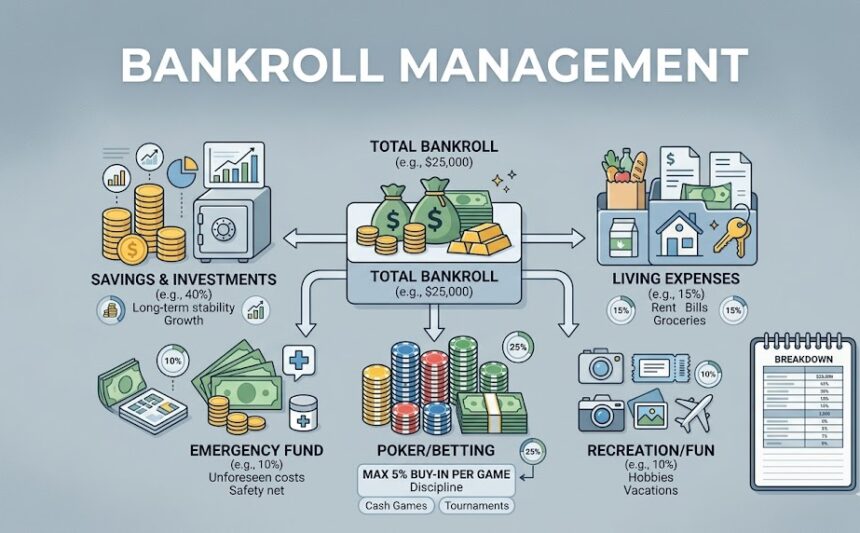
Bankroll management is a critical aspect of casino gaming, often determining the success or failure of a gambler. At its core, a bankroll refers to the total amount of money that a player sets aside specifically for gambling purposes. It is essential to distinguish between a player’s bankroll and the money allocated for betting. While the bankroll represents the overall funds used over time for gaming, betting money is the amount wagered on any particular game or session.
Effective bankroll management involves establishing clear guidelines on how to use the funds allocated for gaming. A well-defined strategy helps gamblers avoid unnecessary losses, maintain discipline, and ultimately enjoy a more fulfilling gaming experience. One fundamental rule is to set a specific bankroll limit before commencing play; this limit should reflect the amount the player can afford to lose without severely impacting their financial situation.
Additionally, it is advisable for players to divide their bankroll into smaller portions. This ensures that they do not exhaust their entire bankroll in one session. By betting only a small percentage of the bankroll on each game, players can enjoy longer playtime and increase their chances of capitalizing on winning streaks while minimizing losses during unfavorable runs.
Bankroll management also encourages responsible gambling behavior, promoting a healthier approach to gaming. By practicing these principles, players not only protect their finances but also enhance their overall enjoyment of the casino experience. Comprehensively understanding bankroll management can lead to improved decision-making, better emotional control, and ultimately, a more disciplined gaming journey.
Setting a Budget for Your Gambling Activities
Establishing a budget for gambling is a crucial element that can significantly impact your overall gaming experience. To begin with, it is imperative to assess your financial situation accurately. Consider your monthly income, essential expenses, and other financial obligations before deciding how much money you can allocate for gaming. It is advisable to only use discretionary income, which is the amount left after covering all necessary costs. This approach ensures that gambling remains an entertaining activity rather than a financial burden.
Another vital aspect of setting a gambling budget involves determining how much money you can afford to lose. This step requires honesty and self-awareness about your own financial limits. By establishing a clear loss threshold, you can prevent emotional decision-making during gameplay, which can often lead to chasing losses and escalating expenditures. Understanding your limits pushes you to make rational decisions while in the casino environment.
Various budgeting methods exist to help maintain financial control during your gaming sessions. One popular strategy is the hourly budget, where you establish a specific amount of money you are willing to spend per hour. This not only helps in pacing your play but also allows you to enjoy your time at the casino without the risk of over-expenditure. Alternatively, a session-based budget can be employed, where a set amount is designated for a specific gaming session. Either approach provides clarity and focuses on maintaining enjoyment, as opposed to potential financial distress.
Incorporating these budgeting techniques into your casino gaming strategy enables you to enjoy the excitement of gambling while safeguarding your finances. A well-structured budget allows for structured enjoyment, ensuring that your gaming experience remains positive and under control.
Choosing the Right Betting Strategy
In casino gaming, selecting an appropriate betting strategy is integral to effective bankroll management. The right approach can enhance your gaming experience while safeguarding your funds. Among the various techniques, flat betting, percentage betting, and progressive betting are three of the most commonly employed strategies, each with its advantages and drawbacks.
Flat betting is a straightforward approach where a player bets the same amount on each wager regardless of prior outcomes. This strategy allows for easy tracking of wins and losses, facilitating disciplined bankroll management. However, its limitation lies in a lack of adaptability during winning or losing streaks. Players may find it challenging to maximize profits in highly favorable conditions or minimize losses when faced with an unfavorable run.
On the other hand, percentage betting requires the player to wager a specific percentage of their total bankroll on each bet. This method dynamically adjusts the bet size according to the bankroll’s fluctuations. One key advantage of percentage betting is that it promotes continued play even during downturns, as it aligns the wager with the player’s current financial situation. However, some may find it difficult to calculate varying bet sizes, which can lead to inconsistency in gameplay.
Progressive betting involves increasing or decreasing bets based on the outcomes of previous wagers, either after a win or a loss. This strategy can potentially amplify winnings; however, it also brings an increased risk of significant losses if a losing streak occurs. As a result, it is crucial for players using this strategy to have a sizable bankroll and a clear exit plan to protect their funds.
When choosing a betting strategy, players should consider their risk tolerance, experience level, and gaming objectives. Each approach serves different needs and understanding these can greatly contribute to a more successful gaming experience.
Monitoring and Adjusting Your Bankroll Management Strategy
Effective bankroll management is a cornerstone of successful casino gaming. However, one must recognize that financial dynamics can change rapidly, requiring a proactive approach to monitoring and adjusting one’s strategy. Regularly reviewing your bankroll helps ensure that you remain within your limits and can significantly influence your overall gaming experience.
To start, keeping meticulous records of wins and losses is imperative. Utilizing a dedicated notebook or digital tracking tool can simplify this process, allowing players to evaluate betting performance over time. By categorizing your bets and noting the outcomes, you can identify patterns and fluctuations in your gameplay. This analysis provides insight into your winning strategies and the areas needing improvement.
Additionally, establishing thresholds for losses and gains is vital. Setting a predetermined amount that you are comfortable losing can help prevent emotional decisions that often lead to significant financial strain. If your bankroll dips below a specific level, it may signal that it is time to reconsider your gaming activities. Conversely, if you experience a series of wins, assess whether to adjust your bet sizes accordingly, ensuring that you’re capitalizing on favorable conditions while remaining disciplined.
Moreover, it is essential to recognize the signs of potential gambling addiction. Emotional discipline plays a key role in responsible gambling practices. If you find yourself feeling anxious or compelled to chase losses, taking a step back is advisable. Being aware of your emotional state can be a crucial factor in maintaining a healthy gaming lifestyle. Prioritizing responsible gambling not only enhances your gaming experience but also fosters a safer environment for you and those around you.