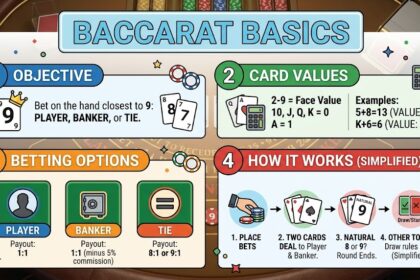



Card counting is a strategic technique employed primarily in blackjack to determine whether the next hand is likely to give an advantage to the player or the dealer. Essentially, it involves keeping track of the ratio of high cards to low cards remaining in the deck. This strategy allows players to make more informed betting decisions, maximizing their chances of winning by adjusting their wagers in response to the changing composition of the remaining cards.
The historical context of card counting traces back to the 1960s, when mathematician Edward Thorp published his groundbreaking book, “Beat the Dealer.” In it, he introduced the concept of card counting to the broader public, showcasing its potential effectiveness. The book led to heightened awareness of card counting, and many players began employing various techniques to gain an edge over casinos. As a result, casinos took countermeasures to mitigate the impact of card counters, including the implementation of multiple decks and shuffling mechanisms.
One of the most popular and widely recognized card counting methods is the Hi-Lo strategy. This approach assigns a value of +1 to low-value cards (2-6) and -1 to high-value cards (10-Ace). Neutral cards, typically valued at 7, 8, and 9, receive a score of 0. The player keeps a running count by adding and subtracting these values based on the cards that have been dealt. A positive count signals a higher proportion of high cards left in the deck, favoring the player, while a negative count indicates an abundance of low cards, benefiting the dealer.
Understanding the mathematics behind card counting can be complex, but at its core, the practice is grounded in probability theory. By analyzing the odds and leveraging the card counts, players can shift their strategies accordingly. Despite ongoing debates about the legality and ethics of card counting, its enduring popularity in blackjack is a testament to its effectiveness when executed correctly.
The Legality and Ethics of Card Counting
Card counting in blackjack has long been a topic of debate, particularly concerning its legality and ethical implications. Fundamentally, card counting is viewed as a strategy that involves keeping track of the cards that have already been dealt in order to predict the likelihood of certain cards appearing next. While utilizing this technique may be technically legal, it walks a fine line in terms of casino policies.
Casinos do not consider card counting to be cheating in the traditional sense, as it does not involve the use of devices or external aids. However, casinos have the right to refuse service to anyone they deem detrimental to their business. As a result, players utilizing card counting techniques may be closely monitored, and if a player is suspected of counting cards, they may be asked to leave or even banned from the establishment.
Moreover, the ethical considerations surrounding card counting evoke diverse opinions among players and casino operators alike. Some argue that it is merely an advanced strategy designed to level the playing field against the house, while others contend that it undermines the spirit of the game. The public perception of card counting also varies, with some viewing skilled players as merely exercising their rights to enhance their winning odds, whereas others see it as a form of exploitation.
The consequences of being caught counting cards can be significant. Players might face not only ejection from the casino but also potential reputational damage within the gaming community. This cautionary aspect highlights the tension between strategy and fair play in gaming, making it essential for aspiring card counters to understand both the legal and ethical landscape surrounding this practice.
Modern Casino Countermeasures Against Card Counting
In the dynamic environment of modern casinos, the practice of card count has prompted the implementation of a variety of sophisticated countermeasures aimed at diminishing its effectiveness. One of the most prominent strategies employed by casinos involves the use of automatic shuffling machines. These machines significantly reduce the number of cards dealt from the shoe, which in turn disrupts the ability of players to track the ratio of high to low cards effectively. By shuffling the cards after every round or periodically, casinos can close the window of opportunity for card counters to gain an advantage.
Additionally, many casinos have adopted the practice of utilizing multiple decks in their blackjack games. Traditional single-deck blackjack is becoming increasingly rare, as multi-deck games make it considerably more challenging for players to keep an accurate count. With each additional deck, the complexity of tracking cards increases, thus, further mitigating the potential benefits reaped by those employing card counting strategies.
Moreover, surveillance plays a crucial role in monitoring gameplay. Advanced camera systems, often paired with artificial intelligence, enable casino personnel to track player behavior in real-time. These systems are designed to identify patterns indicative of card counting, such as a player displaying a sudden increase in bets or consistently deviating from standard betting strategies. Trained staff members, including pit bosses and floor managers, are also vigilant in observing gameplay, utilizing their intuition and experience to spot players employing card counting tactics.
These countermeasures have significantly impacted the viability of card count as a winning strategy in contemporary casino settings. Although skilled counters can still derive some successes, the combination of shuffling machines, multi-deck games, and enhanced surveillance creates a challenging landscape for those attempting to exploit this technique. As casinos continue to evolve, the arms race between card counters and casinos’ defenses will likely continue, fundamentally shaping the future of blackjack.
Is Card Counting Still Profitable in Today’s Game?
Card counting, a strategy rooted in mathematics and probability, has long been a subject of intrigue among blackjack enthusiasts. With the rise of technology and innovative gaming strategies, it begs the question: does card counting remain a viable method for securing profits at the blackjack table today? Recent studies and the experiences of modern professional players indicate that while card counting is still effective, its profitability is subject to various conditions.
Advancements in casino technology, particularly the increasing prevalence of shuffling machines and the implementation of continuous shuffling, have made traditional card counting more challenging. These innovations disrupt the flow of cards, reducing the effectiveness of counting strategies. Furthermore, many casinos have adopted measures that target card counters specifically, including increased surveillance and the use of more complex rules that diminish the advantages of counting.
Nevertheless, skilled players who can adapt their strategies are still able to find success. Professional card counters often emphasize the importance of maintaining a low profile and honing their skills through practice. Insights from expert players suggest that while the overall profitability of card counting may have diminished, dedicated individuals who can effectively manage their betting patterns and remain discreet can still achieve favorable outcomes.
Additionally, the online gambling landscape introduces its own distinct variables. Many online platforms implement random number generators (RNGs) that diminish the typical advantages associated with card counting. However, some live dealer games provide an opportunity for card counters to utilize their strategies effectively, albeit with adjusted approaches given the digital environment.
In conclusion, card count in blackjack retains its potential for profitability, yet it is imperative for players to recognize the evolving dynamics of modern gambling. Adapting to shifts in technology and casino practices is crucial for those aiming to leverage card counting as a means of gaining an advantage over the house.