

Introduction to Casino Gaming
Casino gaming is a form of entertainment that involves various games of chance and skill, typically played for monetary rewards. The origins of casino gaming can be traced back to ancient civilizations, where people engaged in dice games and other forms of gambling. Over the centuries, this activity evolved into more structured environments, leading to the establishment of casinos as we know them today, complete with a variety of games and amenities.
One of the primary reasons individuals frequent casinos is the thrill associated with gaming. The excitement of placing bets, the anticipation of winning, and the rapid pace of various games contribute to a stimulating atmosphere. Games such as slots, poker, blackjack, and roulette are designed to engage players, making every visit potentially rewarding.
Moreover, the social aspect of casino gaming cannot be overlooked. Casinos serve as gathering places where individuals can meet friends, celebrate special occasions, and create new social connections. The lively environments often foster an engaging interplay among players, enhancing the overall experience.
Financial gain is another significant factor that attracts people to casinos. Players often hope to win money through their gaming activities, whether by mastering strategies in table games or hitting a jackpot on a slot machine. This potential for profit adds an element of excitement that appeals to both casual and serious gamblers.
To fully appreciate casino gaming, it is important to understand key terminology. Terms such as “house edge,” which refers to the casino’s advantage over players, or “payout percentage,” indicating the proportion of wagered money returned to players, are essential in navigating this complex world. By understanding these concepts, beginners can enhance their gaming experience and make informed decisions when they choose to partake in casino gaming.
Types of Casino Games
Casino gaming provides a wide array of enjoyment options for beginners and seasoned players alike. The primary categories of casino games are table games, electronic games, and game shows. Each category encompasses various popular games that appeal to different preferences.
Table games are a staple in any casino, including familiar card games such as poker and blackjack. Poker is renowned for its strategic gameplay, where players compete not only against the house but also against each other. Variants like Texas Hold’em and Omaha are particularly well-liked, allowing players to engage in both luck and skill. Blackjack, on the other hand, is played against the dealer, with the objective of achieving a hand value closer to 21 without exceeding it. It is celebrated for its straightforward rules and low house edge, making it a favored bet among novices.
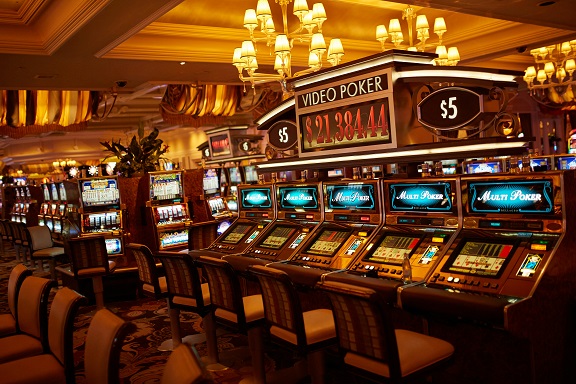
Electronic games, such as slot machines, represent another popular category. Slot machines come in various themes and feature different configurations, ranging from traditional three-reel machines to modern video slots with multiple paylines and interactive bonus rounds. Players are drawn to the potential for large jackpots and the ease of play that slot machines offer. Furthermore, their vibrant graphics and sound effects enhance the gaming experience.
Game shows are a relatively newer addition to the casino gaming scene. They borrow the format of popular television shows and involve a combination of chance, skill, and entertainment. Games such as “Deal or No Deal” and “Monopoly Live” have gained traction, allowing players to enjoy a social gaming atmosphere while vying for prizes.
In summary, whether players prefer strategic table games, engaging electronic machines, or interactive game shows, there is a vast selection of casino games to explore, ensuring that every patron can find something appealing tailored to their gaming preferences.
Understanding the House Edge
The concept of the house edge is fundamental in casino gaming, as it represents the mathematical advantage that the casino holds over the players in various games. This advantage is built into the rules of each game, ensuring that while players may have short-term wins, the casino maintains a profit over the long term. The house edge is usually expressed as a percentage; the higher the percentage, the greater the advantage for the casino.
For example, consider slot machines, which often have a house edge ranging from 2% to 15%. This means that for every $100 wagered, the slot machine is designed to return between $85 and $98 to the players while keeping $2 to $15 for the house. Conversely, table games like blackjack can have a lower house edge. With optimal strategy, skilled players might face a house edge as low as 0.5%. This substantial difference makes blackjack an attractive option for beginners looking for better odds.
Another game worth mentioning is roulette, where the house edge is generally around 5.26% for American roulette, owing to the presence of a double zero. European roulette, however, offers a slightly better edge at approximately 2.7% due to its single zero layout. Thus, players who opt for European roulette can enjoy better overall odds compared to its American counterpart.
Understanding the variations in house edges across different casino games is essential for beginners. By selecting games with lower house edges, players can enhance their chances of winning in the long run. It is also important for players to remember that even with games that offer better odds, no outcome is guaranteed, and responsible gaming practices should always be observed.
Basic Strategies for Playing Casino Games
Casino gaming can be both exhilarating and intimidating for beginners. Understanding basic strategies can significantly enhance a player’s experience and increase the likelihood of winning. Different casino games require diverse strategies, and this guide outlines effective approaches for some popular games.
For blackjack, one of the most popular card games, beginners should familiarize themselves with the basic strategy chart. This chart provides optimal plays based on the player’s hand and the dealer’s upcard. Players should aim to hit when their hand totals 11 or less, double down on 10 or 11 against a dealer’s lower card, and stand on 17 or higher. It is also crucial for players to learn about the concept of “splitting” pairs, especially Aces and 8s, which can maximize potential returns.
In the game of roulette, understanding betting patterns is beneficial. There are several types of bets: inside bets, which have a higher risk but offer bigger payouts, and outside bets, which are safer but yield smaller returns. New players may want to start with outside bets (such as red or black) to feel comfortable with the game before moving on to riskier bets. Another strategy involves observing the trends of the previous spins to identify hot or cold numbers, though it is essential to note that each spin in roulette is independent.
Additionally, effective money management is vital across all casino games. Players should set a budget before starting their gaming session and stick to it to avoid overspending. It is wise to divide the budget into smaller segments and allocate a specific amount for each game. This disciplined approach helps in prolonging the gaming experience while minimizing potential losses. By integrating these strategies into their gameplay, beginners can improve their chances of having a successful and enjoyable visit to the casino.
Tips for Managing Your Bankroll
Effectively managing your bankroll is crucial for a long-term and enjoyable gaming experience at the casino. One of the primary steps to consider is setting clear limits on how much money you are willing to spend during a gaming session. Establishing a budget before you start helps to control your expenditures and ensures that gambling remains a fun activity rather than a financial burden.
Understanding betting units is another essential aspect of casino gaming. A betting unit is the amount of money you wager per game or hand, which helps you stay disciplined. It’s advisable to choose a unit based on your overall bankroll, ensuring that a single loss will not significantly impair your ability to continue playing. This can prevent emotional decisions driven by losses, which can quickly escalate into financial trouble.
Knowing when to walk away is equally important. Set win and loss limits before you start betting, and stick to them. If you reach your pre-set win limit, consider collecting your winnings and ending the session. Conversely, if you reach your loss limit, it is essential to walk away, regardless of any emotional attachment to the game or the desire to chase losses. This practice helps to maintain a positive mindset and avoids the trap of trying to regain lost funds.
Keeping your emotions in check while gambling can be challenging but necessary for effective bankroll management. Techniques such as taking breaks, practicing mindfulness, and reminding yourself of the pre-established limits can aid in maintaining clarity. Remember that gambling outcomes are ultimately based on chance, and managing your bankroll wisely is a strategy that encourages responsible gaming and enhances your overall enjoyment.
Casino Etiquette and Conduct
Understanding casino etiquette and conduct is essential for enhancing your overall gaming experience. Casinos are social environments where respect and consideration for others play a crucial role. When participating in table games, it is important to approach the table quietly and wait for the dealer’s invitation before joining in. Players should avoid disrupting the game or engaging in loud conversations, as this can distract both fellow players and the dealer.
When it comes to placing bets, it is advisable to wait for the right moment, especially in live-action games like blackjack or roulette. Be attentive and patient, respecting the flow of the game and the actions of other participants. If you need to leave the table, inform the dealer, so they are aware and can adjust bets accordingly.
Tipping is another essential aspect of casino etiquette. It is customary to tip dealers for their service, especially after a big win. Generally, a gesture of appreciation can range from a few dollars to a greater amount, depending on the size of your win and experience. This can foster a more positive atmosphere and potentially enhance your gaming experience, as dealers may provide better service to those who are considerate.
In addition to respecting the dealers, it is equally important to maintain consideration for fellow players. Avoid unnecessary discussions about strategy or criticizing other players’ decisions. Such behavior can lead to tensions and misunderstandings, detracting from the enjoyment of the game for everyone involved. Always be mindful of the social dynamics at play and strive to create a friendly, welcoming environment.
By adhering to these basic principles of casino etiquette and conduct, beginners can ensure that they contribute positively to the entertainment experience, promoting an atmosphere of mutual respect and enjoyment among all players.
Online vs. Land-Based Casinos
When comparing online casinos to traditional land-based casinos, several factors come into play, each influencing the player experience differently. One of the most significant aspects is accessibility. Online casinos are available 24/7, allowing players to engage in their favorite games from the comfort of their own homes or on the go via mobile devices. In contrast, land-based casinos operate within specific hours and often require travel, limiting access for some players.
The variety of games offered is another critical difference. Online casinos typically provide a vast selection of games, including thousands of slots, table games, and live dealer options, catering to diverse preferences. Players can effortlessly switch between games and explore new titles with just a few clicks. In contrast, while land-based casinos may have a wide array of games, their physical space often restricts the number of gaming options available.
Social interaction is a noteworthy element that distinguishes the two environments. Land-based casinos facilitate face-to-face interactions, allowing players to engage with dealers and fellow gamblers. This can enrich the gaming experience, as players may share strategies or enjoy the communal atmosphere. In contrast, online casinos primarily provide digital interactions, though live dealer games are designed to replicate the social atmosphere of brick-and-mortar venues, allowing interaction through chat features.
Finally, bonuses and promotions play a vital role in attracting players to either type of gaming platform. Online casinos frequently offer generous welcome bonuses, free spins, and loyalty programs to entice new members. Land-based casinos also provide promotions, though they may be less frequent and often focus on loyalty programs that reward players for regular visits.
Ultimately, the choice between online and land-based casinos depends on personal preferences regarding accessibility, game variety, social interaction, and bonuses. Understanding these factors can help players make better-informed decisions for their gaming experiences.
Recognizing Problem Gambling and Seeking Help
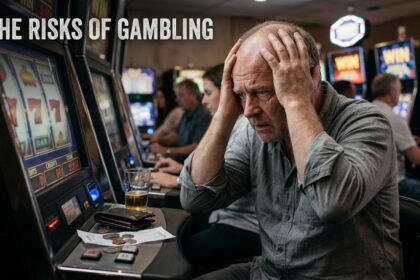
Gambling can be an enjoyable pastime for many; however, it can also lead to adverse consequences for some individuals. Problem gambling is characterized by an uncontrollable urge to continue betting despite negative outcomes. Recognizing the signs of problem gambling is crucial for timely intervention and support. Common indicators include spending more money and time on gambling than intended, neglecting other important areas of life such as work, relationships, and health, as well as experiencing increasing levels of anxiety or stress related to gambling activities.
Individuals may also notice behavioral patterns such as chasing losses, lying about gambling habits, or borrowing money to gamble. These actions can escalate, leading to financial difficulties, relationship problems, and emotional distress. Acknowledging these signs is the first step toward addressing the issue. If you or someone you know exhibits several of these warning signs, it may be necessary to seek assistance.
There are numerous resources available for those struggling with problem gambling. Helplines, such as the National Council on Problem Gambling (NCPG) at 1-800-522-4700, provide immediate support and guidance. Through these services, individuals can access confidential advice and connect with professionals trained to help those facing gambling-related challenges. Additionally, support groups like Gamblers Anonymous (GA) offer a community-driven environment where individuals can share their experiences and learn from others who are in similar situations.
In conclusion, recognizing the signs of problem gambling is essential for promoting a healthy gaming environment. By acknowledging these indicators and seeking help when necessary, individuals can take proactive steps toward recovery and ensure that gaming remains a positive part of their lives.
Conclusion: Enjoying Casino Gaming Responsibly
As we wrap up this comprehensive guide to casino gaming for beginners, it is vital to reflect on the core principles that can enhance your gaming experience. Engaging with casino games offers entertainment and excitement, whether you are drawn to slots, table games, or live dealer experiences. However, the primary takeaway is the emphasis on responsible gaming.
The essence of enjoying casino gaming lies in understanding your limits. Players should ensure that their approach to gambling remains within their financial and emotional means. Setting a budget before participating in any casino activity is crucial. By doing so, you not only protect your finances but also maintain the enjoyment of the gaming experience without indulging in regretful behaviors.
Moreover, it is imperative to recognize the signs of problematic gaming. Should you find yourself gambling out of stress, chasing losses, or neglecting personal responsibilities, it might be time to reevaluate your gaming habits. Therefore, taking regular breaks and participating in self-reflection can aid in maintaining a healthy relationship with casino gaming.
In conclusion, the world of casino gaming provides numerous opportunities for enjoyment and achievement. By absorbing the key elements from this guide and applying them in practice, you can ensure that your gaming experience remains both recreational and safe. Remember, the goal is to have fun while being mindful of the limits you set for yourself. Stay informed, play responsibly, and savor every moment of your gaming adventures.