

When visiting a casino, understanding the basic etiquette is essential for a smooth and enjoyable experience. One of the first aspects to consider is the dress code. Many casinos have implemented a standard dress code that may vary from casual to formal. It is advisable to check the specific requirements of the casino you plan to visit, as adhering to this unwritten rule not only reflects respect towards the establishment but also enhances your own experience.
Another vital point of casino etiquette involves how to approach gaming tables. Always be polite when interacting with dealers and fellow players. As you approach a table, wait for a suitable moment to join rather than interrupting an ongoing game. This simple courtesy can go a long way in promoting a friendly atmosphere. Furthermore, maintaining respect for fellow players and staff is invaluable. This includes refraining from loud outbursts, negativity, or unsportsmanlike conduct. Everyone is there to enjoy their time, and a respectful attitude contributes to the overall ambiance.
It is also important to take note of common behaviors to avoid in a casino. For instance, criticizing other players’ decisions or showing frustration can create an uncomfortable environment. Being mindful of personal space while playing is crucial, as casinos tend to get crowded, and each player deserves their area. Lastly, tipping dealers and staff is customary in many casinos. While it is not mandatory, acknowledging good service with a small tip can foster goodwill and encourage friendly interactions.
In addition to these practices, social interaction is an integral part of the Casino Etiquette environment. Engaging in conversations with other players can significantly enhance your experience while also promoting a sense of community. Embracing these basic rules of etiquette ensures that your casino visit is enjoyable and respectful for everyone involved.
Key Casino Games and Their Rules
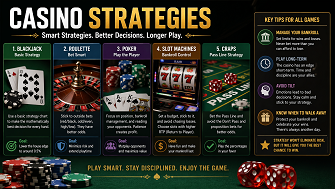
For those new to the gambling landscape, understanding the rules of various casino games is essential. This section will focus on some of the most popular games found in casinos: slots, blackjack, poker, roulette, and baccarat, providing insights into their basic rules and gameplay.
Slots are perhaps the easiest games to start with. Players insert money, spin the reels, and aim to land matching symbols across paylines. The primary rules involve selecting the bet amount and activating the spin. Each slot game may have unique bonus features and themes, which can enhance the playing experience.
Blackjack is a popular card game played against the dealer. The goal is to achieve a hand value closer to 21 without exceeding it. Players are dealt two cards and can choose to hit (take additional cards) or stand (keep their current hand). Basic strategies involve knowing when to hit or stand based on the dealer’s visible card.
Poker encompasses various formats, but the fundamental rule remains the same: create the best possible hand to win against opponents. Popular variants include Texas Hold’em and Omaha, with specific betting rounds and strategies that require a mix of skill and luck.
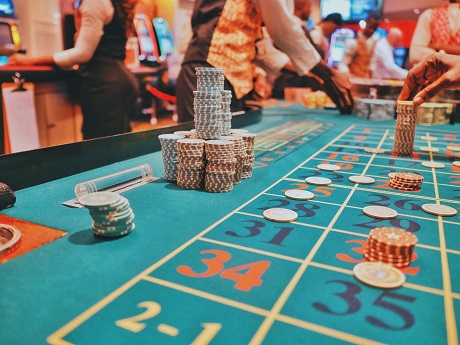
Roulette features a spinning wheel with numbered pockets. Players bet on where they believe the ball will land by placing chips on the betting table, which offers multiple betting options, including individual numbers and colors (red or black). The outcome is determined by the landing spot of the ball.
Lastly, baccarat is a straightforward game where players place bets on either the player’s hand or the banker’s hand. The objective is to predict which khand will come closest to a value of nine. Each card has a specific point value, and the gameplay is uncomplicated, making it suitable for beginners.
Understanding these key casino games and their rules will provide newcomers with a solid foundation to enjoy their gambling experience while developing strategies for success.
Understanding Odds and House Edge
When engaging in Casino Etiquette, comprehending the concepts of odds and house edge is essential for players looking to enhance their gaming experience. Odds reflect the likelihood of a player winning in a specific game, while the house edge is the mathematical advantage that the casino holds over the players. Understanding these two principles can significantly impact a player’s approach to gaming.
Each casino game comes with its unique set of odds, which can vary widely between different types of games. For example, in games like blackjack, players can influence the outcome to a certain extent through strategy, which can lead to better odds. Conversely, games such as slots operate purely on randomness, with fixed odds that favor the house. This variance highlights the importance of choosing games that not only suit the player’s style but also offer favorable odds.
The house edge is expressed as a percentage representing the expected profit the casino makes from each bet placed by a player. For instance, if a game has a house edge of 5%, this means that, on average, the casino retains $5 from every $100 wagered. Understanding the house edge allows players to make informed decisions about their gameplay, potentially leading to smarter choices that can mitigate losses.
In addition to considering the odds and house edge, effective bankroll management plays a pivotal role in a player’s gaming strategy. Establishing a budget and sticking to it can prevent overspending, ensuring a more enjoyable experience. By comprehensively understanding the odds, house edge, and implementing sound bankroll management practices, players can navigate the casino environment with greater confidence and enhance their overall chances of success.
Tips for Responsible Gambling
Responsible gambling is crucial for ensuring that gaming remains an enjoyable and entertaining pastime rather than a harmful activity. One of the most effective strategies to achieve this is by setting clear limits on both the time and money spent on gambling activities. Players should establish a budget before participating in any game and adhere strictly to it. It is paramount to use only disposable income—funds that do not impact essential living expenses. This practice not only helps maintain financial stability but also ensures that gambling is approached with the right mindset.
Recognizing the signs of problem gambling is equally important. Individuals should be vigilant for behaviors such as increasing the amount of time spent gambling, chasing losses, or feeling a need to gamble to escape stress or negative emotions. Recognizing these signs early can prompt individuals to reassess their gambling habits. It’s important to remember that gambling should be a form of entertainment, not a means to make money. If gambling starts to feel more like an obligation than a leisure activity, it might be time to take a break.
Taking regular breaks can prevent the onset of problematic behaviors associated with gambling. Stepping away from the game allows players to reset their mindset and evaluate their experiences. Furthermore, numerous resources are available for those who may need support, including helplines, counseling services, and dedicated organizations that focus on responsible gambling practices. By leveraging these resources, individuals can find assistance when necessary.
In summary, cultivating a mindful approach to gambling that emphasizes enjoyment over profit maximizes the positive aspects of this activity. By setting limits, recognizing concerning behaviors, and taking advantage of support resources, players can enhance their overall gambling experience while minimizing risks associated with problem gambling.