


A Calendar Date Is Not the Same as Launch Readiness
Once a launch date is announced internally or publicly, multiple parts of the business begin working backward from it. Marketing buys media. Platform partners schedule activity. Community teams prepare campaigns. Revenue plans assume a sales window. Support and infrastructure teams plan staffing and capacity.
That coordination makes the date valuable, but it also makes late quality risk expensive. A critical issue discovered near certification does not affect only the development schedule. It can force several departments to replan work that has already been committed.
Studios sometimes turn to Game QA Outsourcing when internal capacity is stretched during these peaks. Additional capacity can be useful, but the deeper management question is whether quality risks are being exposed early enough for the business to act on them.
Why Problems Arrive at the Worst Possible Time
Late QA issues often originate much earlier. Features may enter testing only after integration. Builds may remain unstable. Requirements may change without corresponding regression updates. Platform validation may be deferred. Development teams may continue making high-risk changes after the schedule assumes stabilization.
The defect is discovered late because the system around it became testable late, not necessarily because a tester overlooked it.
This distinction matters to executives. If leadership treats every late defect as a game qa execution problem, the organization may add testers while leaving the underlying sources of schedule risk untouched.
How a Technical Issue Becomes a Commercial Delay
Imagine a save-data defect found shortly before platform submission. Engineering needs to reproduce it and determine whether existing player data can be affected. A fix changes persistence logic. QA must validate the fix, expand regression coverage, and confirm migration or recovery behavior.
Now the release candidate changes. Submission timing may move. Marketing needs to assess whether campaigns should continue. Platform teams may need new coordination. Infrastructure and external partners remain engaged longer. Producers spend additional time managing recovery rather than the planned launch sequence.
If the date moves far enough to miss a promotional window, holiday period, major event, or coordinated campaign, the opportunity cost can exceed the direct cost of the engineering fix. This is why late quality problems should be viewed as schedule exposure, not only defect remediation.
The Cost of Schedule Compression
Studios often try to protect a fixed date by compressing the remaining QA window. More fixes arrive in less time, builds are generated more frequently, and regression cycles are shortened.
This can create a self-reinforcing risk loop: late defect discovery leads to accelerated fixes; accelerated fixes create more change; more change increases regression risk; reduced validation time makes new problems harder to detect; and confidence in the candidate falls even as the deadline gets closer.
Overtime, extra build cycles, additional vendor days, extended cloud or test infrastructure, and management escalation all add cost. More importantly, teams may enter launch exhausted, leaving less capacity to respond to genuine post-release issues.
Give Leadership Earlier Quality Signals
The solution is not to move a large final testing phase a few weeks earlier. Quality visibility needs to develop alongside the product.
High-risk features should be tested as soon as they become viable. Critical player journeys need continuous regression protection. Platform requirements should be validated before formal submission windows. Build stability should be tracked as a production metric. Milestone reviews should include unresolved quality risk, not just feature completion.
Capacity should also be planned around predictable peaks such as content lock, integration milestones, certification, and release candidates. If external QA is part of the model, onboarding, environments, permissions, test data, and reporting should be established before the emergency.
The Executive Cost Is Loss of Optionality
One of the least visible costs of late QA is the loss of management options. Early in development, a studio can defer a feature, change sequencing, move people, reduce scope, or alter a campaign with relatively limited disruption. Days before launch, those same choices affect contracts, platform commitments, media spend, community expectations, and revenue timing. That is why quality reporting should show trend and exposure, not only current defect totals. Leadership needs to see whether risk is decreasing fast enough to support the date. A fixed launch date is strongest when the organization still has time to act before a technical issue becomes a commercial commitment problem.
Protect the Launch Plan by Protecting Decision Time
Early defect discovery is valuable because it preserves options. Leadership can change scope, move resources, revise sequencing, or adjust dates before external commitments become expensive.
This is also where Game QA Outsourcing can support studios facing limited internal testing capacity, particularly during high-pressure development stages when broader coverage and faster risk visibility are critical to protecting the release schedule.
Late discovery removes those options and turns technical uncertainty into business disruption.
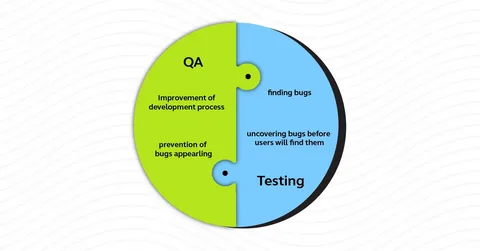
A launch date becomes dependable when it is supported by progressively stronger evidence about product quality. QA’s strategic value is not simply finding more bugs. It is giving the company enough time to make informed business decisions before the calendar makes those decisions on its behalf.