


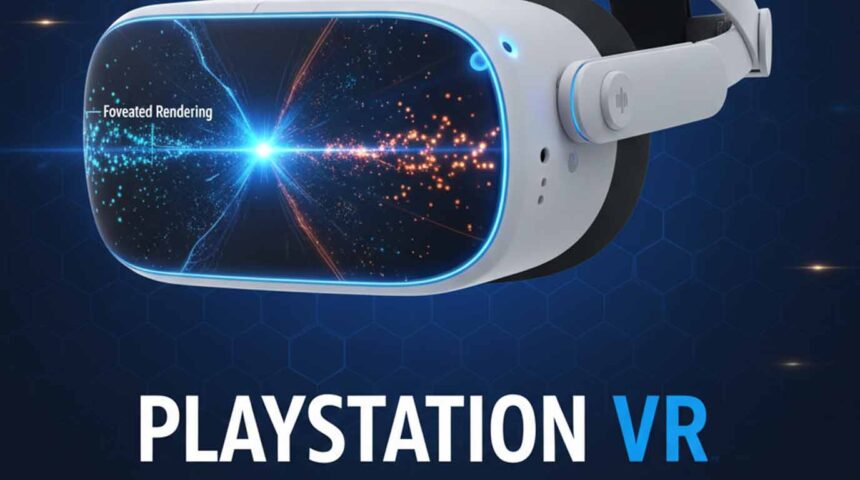
PlayStation VR is Reportedly 4K, has a Vibration Motor and Foveated
The world of virtual reality is buzzing with excitement, and at the center of this whirlwind is PlayStation VR. As gamers eagerly await the next big leap in immersive technology, whispers about the upcoming headset’s features are starting to surface. Imagine a device that boasts 4K resolution, advanced foveated rendering, and even a built-in vibration motor that enhances your gaming experience like never before. The possibilities are thrilling! But what sets PlayStation VR apart from its competitors? Let’s dive into what makes this new headset one to watch closely as it prepares to reshape our understanding of virtual worlds.
What is the PlayStation VR?
PlayStation VR is Sony’s ambitious foray into the realm of virtual reality gaming. Designed to work seamlessly with their PlayStation console, it opens up a new dimension for gamers.
This innovative headset transports players into immersive worlds where they can interact with environments in ways previously thought impossible. From battling mythical creatures to exploring detailed landscapes, the experience feels incredibly real.
The setup is user-friendly, making it accessible to both seasoned gamers and newcomers alike. With its ergonomic design, players can enjoy extended sessions without discomfort.
As part of the broader PlayStation ecosystem, VR titles are tailored specifically for this platform, ensuring an engaging library that grows continually with time. The combination of cutting-edge technology and beloved franchises makes PlayStation VR more than just a headset—it’s a gateway into uncharted territories within gaming.
How is it different from other virtual reality headsets?
PlayStation VR distinguishes itself from other virtual reality headsets through its integration with the PlayStation ecosystem. This means seamless connectivity and optimized experiences for gamers who already own a PlayStation console.
Unlike some high-end competitors, it focuses on accessibility. Many users find it easier to set up and use without needing extensive gaming rigs or additional components.
The design is also unique, prioritizing comfort during extended play sessions. With adjustable straps and lightweight materials, players can immerse themselves longer without discomfort.
Moreover, exclusive titles tailored specifically for PSVR enhance the overall experience. While others may boast higher resolutions or advanced sensors, it’s this curated library that truly sets PlayStation VR apart in the crowded market of virtual reality options.
Rumored features of PlayStation VR
The latest buzz around the PlayStation VR suggests some exciting features that could redefine gaming experiences. Reports indicate a stunning 4K resolution, promising crisp visuals that pull players deeper into immersive worlds.
Adding to this, a built-in vibration motor is rumored to enhance tactile feedback, providing gamers with sensations that match in-game actions. Imagine feeling the thud of an explosion or the rush of wind as you race through virtual landscapes.
Foveated rendering is another anticipated feature. This technology tracks eye movement and adjusts graphics quality accordingly, optimizing performance without sacrificing visual fidelity.
These innovations are likely designed to deliver smoother gameplay and more realistic interactions. Each advancement brings us closer to a fully realized virtual reality experience tailored for both hardcore gamers and newcomers alike.
The potential impact on gaming and VR industry
The PlayStation VR is set to shake up the gaming landscape. With its rumored 4K resolution and advanced features, it could elevate immersion to new heights. Gamers crave deeper experiences, and this headset promises just that.
Improved graphics paired with foveated rendering means sharper visuals where your eyes focus. This technology not only enhances realism but also optimizes performance, making games smoother and more engaging.
Developers will likely feel empowered too. The potential for creating richer environments and interactive narratives opens doors for innovative gameplay mechanics.
As consoles continue to push boundaries, the entire VR industry might see a wave of inspiration from Sony’s advancements. Competing brands may need to step up their game in response.
This shift could make virtual reality mainstream, enticing casual gamers while captivating hardcore enthusiasts seeking cutting-edge experiences. Excitement around this tech surge is palpable as anticipation builds among fans globally.
Expected release date and price
The anticipation surrounding the release of the next-generation PlayStation VR has gamers buzzing with excitement. While Sony has been tight-lipped about specifics, whispers from industry insiders suggest a launch window in late 2024.
Pricing is still up for debate. Estimates range widely, but many speculate it could hover around $499 to $599. This price point would align it with other high-end headsets while justifying its advanced features like 4K resolution and foveated rendering.
Sony’s history of bundling accessories may also come into play. A complete package featuring additional controllers or exclusive games could shift consumer expectations regarding value.
As we inch closer to an official reveal, the gaming community remains eager for clarity on both release date and pricing strategy. Exciting times lie ahead in virtual reality gaming.
Comparison with other high-end VR headsets
When comparing PlayStation VR to other high-end headsets, the differences become evident. Leading competitors like the Oculus Quest Pro and Valve Index offer distinct advantages in terms of resolution and tracking capabilities.
Oculus boasts standalone functionality, allowing users to dive into virtual worlds without a console or PC tethering them down. The Valve Index shines with its impressive field of view and smooth refresh rates that elevate immersion.
However, PlayStation VR holds its ground with rumored 4K display technology. This could provide sharper visuals than some existing models on the market. The integration of foveated rendering might optimize performance by reducing processing power where it’s least needed.
Additionally, the inclusion of vibration motors can enhance tactile feedback during gaming sessions—a feature not universally available across all premium devices. Each headset has unique strengths tailored for different preferences in gaming experiences.
Conclusion
The future of PlayStation VR looks promising with its rumored 4K resolution, vibration motor, and foveated rendering. These features could significantly enhance immersion and gameplay quality, setting a new standard for virtual reality experiences.
As the gaming landscape evolves, this headset could redefine how players interact with games. The anticipated advancements signal a shift in user expectations for VR technology.
With an expected release date on the horizon and competitive pricing rumors circulating, gamers are eager to see how it stacks up against other high-end headsets like Valve Index or HTC Vive Pro 2. Each has unique strengths but also weaknesses that can appeal differently based on personal preferences.
As we wait for further announcements from Sony regarding specifications and launch details, one thing is clear: the next generation of PlayStation VR holds great potential to shape not only individual gaming experiences but also the broader VR industry as a whole. Excitement is building among fans and developers alike as we look toward what’s next in virtual reality gaming.