

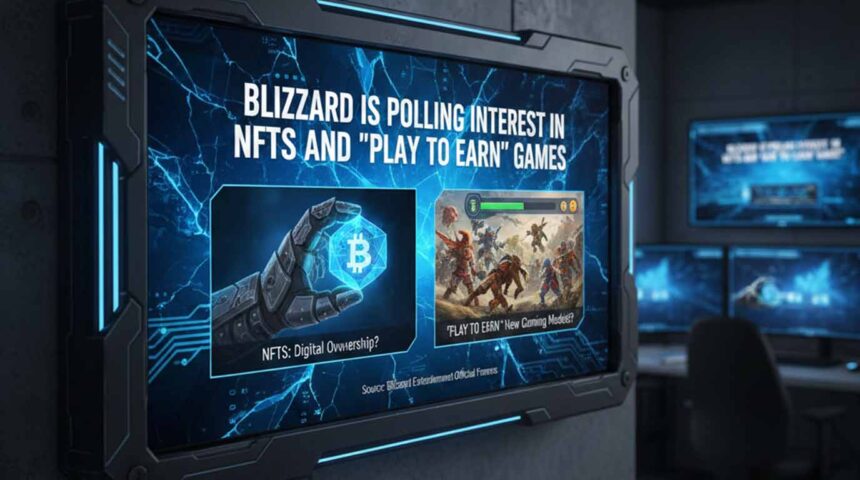
Blizzard is Polling Interest in NFTs and ‘Play to Earn’ Games
Introduction to NFTs and ‘Play to Earn’ Games
The gaming landscape is shifting rapidly, and two terms are making waves in the industry: NFTs and “Play to Earn” games. These concepts have gained significant traction as players seek new ways to engage with their favorite titles while also reaping financial rewards. As traditional gameplay models evolve, companies like Blizzard are taking notice, exploring how they can integrate these innovative ideas into their offerings.
Imagine a world where your in-game achievements translate directly into real-world value. That’s the allure of play-to-earn models, which offer opportunities for gamers to monetize their skills and time spent playing. Coupled with NFTs—unique digital assets that can represent anything from virtual items to characters—the potential for a revolutionized gaming experience becomes even more tantalizing.
Blizzard’s recent interest signals a broader trend within the industry, prompting questions about what this means for both developers and gamers alike. Are we on the brink of something groundbreaking? Let’s dive deeper into this intriguing development and uncover what it could mean for the future of gaming.
Blizzard’s Interest in NFTs and ‘Play to Earn’ Games
Blizzard Entertainment has been a giant in the gaming industry for decades. Known for titles like World of Warcraft and Overwatch, the company is now exploring new frontiers: NFTs and ‘Play to Earn’ games.
The move reflects a broader trend among game developers seeking innovative ways to engage players. Blizzard’s interest suggests they are not content with traditional monetization approaches alone.
By integrating blockchain technology, they could offer unique in-game assets that players truly own. This shift might change how gamers interact with their favorite franchises.
As discussions around these technologies heat up, Blizzard positions itself at the forefront of this evolution. Players can expect exciting developments as the company explores what NFTs and play-to-earn mechanics can bring to its beloved universes. The anticipation is palpable across online communities as fans speculate on what’s next from this iconic studio.
What is Driving the Popularity of NFTs and ‘Play to Earn’ Games?
The surge in popularity of NFTs and ‘Play to Earn’ games can be attributed to several key factors. First, the allure of ownership is a game-changer. Players want to possess unique digital assets that have real-world value.
The rise of cryptocurrency has also fueled interest. With more people investing in Bitcoin and Ethereum, the concept of virtual currencies feels familiar and accessible.
Social interaction plays a significant role as well. These platforms often create communities where players share achievements and trade items, fostering engagement.
Moreover, the potential for earning money while playing resonates with many gamers struggling financially or seeking side hustles. Who wouldn’t want their gaming hobby to pay off?
Innovation in technology enhances user experience. Improved graphics and immersive gameplay keep players coming back for more excitement within these evolving ecosystems.
Potential Benefits for Players and Developers
NFTs and ‘Play to Earn’ games can transform the gaming landscape, offering tangible rewards. For players, the opportunity to earn real income from gameplay is enticing. It turns leisure into a potential career path.
Developers also stand to gain. By integrating NFTs, they create new revenue streams through sales and royalties on transactions. This model incentivizes ongoing engagement from players, enhancing game longevity.
Ownership of in-game assets using blockchain technology empowers players like never before. They can buy, sell or trade items freely in secondary markets.
Additionally, this ecosystem fosters community building around shared interests and investments in unique digital assets. Players become more than just consumers; they’re stakeholders in their virtual worlds.
This shift could lead to innovative gameplay mechanics that reward creativity and skill beyond traditional frameworks. The future promises exciting possibilities for both gamers and developers alike.
Controversies Surrounding NFTs
NFTs have stirred up plenty of debates in the gaming community. Critics question their environmental impact, citing the energy consumption associated with blockchain technology. This raises concerns about sustainability and climate change.
Moreover, some gamers see NFTs as a way to monetize what should be purely recreational experiences. They argue that introducing financial elements might shift focus from enjoyment to profit-making.
Additionally, there are worries over ownership rights. Many players fear they could lose access to their digital assets if a game shuts down or if developers decide to discontinue support for an NFT marketplace.
Scams and fraud within the NFT space have also raised red flags. High-profile cases of counterfeit art and misleading sales add another layer of skepticism among potential users. These controversies are shaping how both creators and consumers approach this evolving landscape in gaming.
The Future of NFTs and ‘Play to Earn’ Games in the Gaming Industry
The gaming landscape is transforming rapidly. NFTs and ‘play to earn’ games are at the forefront of this evolution, capturing the attention of both developers and players alike.
As technology advances, we can expect more immersive experiences that integrate these digital assets seamlessly into gameplay. The ownership model could shift dramatically, allowing gamers to truly own their in-game achievements and items.
With major companies like Blizzard exploring this space, there’s potential for innovative collaborations. This may lead to richer ecosystems where players engage not just for fun, but also as participants in a thriving economy.
However, balancing profitability with player satisfaction will be crucial. Developers face the challenge of creating fair systems that reward all participants without alienating traditional gamers.
As interest grows, so does scrutiny from regulatory bodies. Navigating these waters will shape how NFTs and ‘play to earn’ models develop within mainstream gaming culture.
Conclusion: Should Gamers Get Involved
The landscape of gaming is evolving rapidly. With Blizzard showing interest in NFTs and ‘Play to Earn’ games, it’s clear that the industry is at a crossroads. Players are increasingly drawn to opportunities where they can earn real value from their time spent gaming.
Gamers must consider the implications of these developments. On one hand, there are exciting possibilities for earning income through gameplay and owning unique digital assets. On the other hand, concerns about environmental impact, market volatility, and potential exploitation cannot be ignored.
As blockchain technology continues to mature and more game developers experiment with NFTs and play-to-earn models, players will need to stay informed. Engaging with these trends could open up new avenues for enjoyment—and profit—but it also requires careful consideration.
Should gamers embrace this shift? The answer may vary depending on individual values and experiences within the gaming community. Staying engaged while remaining critical ensures that players can navigate this new terrain wisely as it unfolds before them.