

The Last of Us Part I isn’t just another video game; it’s a profound journey that explores the depths of humanity in a world ravaged by despair. Released to critical acclaim, this title has captivated players with its gripping narrative and unforgettable characters. Set against the backdrop of a post-apocalyptic landscape, The Last of Us Part I invites you to experience survival like never before. As you navigate through danger and heartbreak, every decision feels monumental. This captivating story weaves together themes of love, loss, and resilience—making it much more than just an entertaining playthrough. Dive into the intricacies of this masterpiece as we explore what makes The Last of Us Part I a pivotal moment in gaming history.
Plot Overview
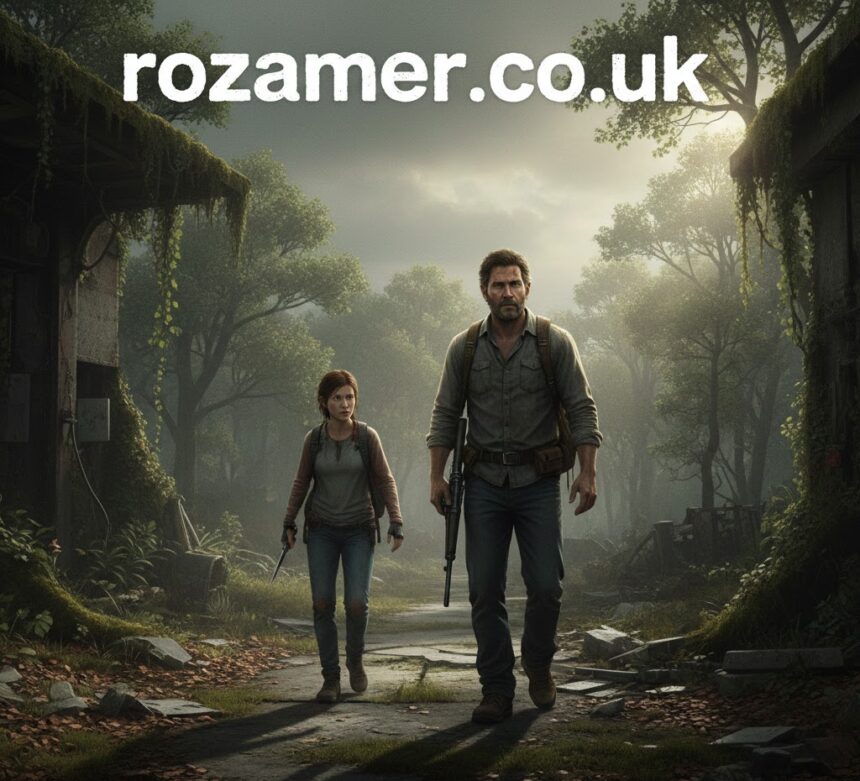
The Last of Us Part I unfolds in a world ravaged by a fungal infection that turns humans into terrifying creatures. Players are introduced to Joel, a hardened survivor, and Ellie, a brave teenager with an immunity to the infection. Their journey begins after devastating personal losses. Set against this bleak backdrop, they navigate through treacherous landscapes filled with hostile survivors and infected monsters. The bond between Joel and Ellie deepens as they face relentless challenges in their quest for safety. As they traverse abandoned cities and overgrown forests, players witness not just survival but also the emotional turmoil each character endures. This narrative weaves themes of hope, loss, and sacrifice throughout their harrowing adventures. The game masterfully blends action with poignant storytelling that lingers long after the credits roll.
The Post-Apocalyptic World of The Last of Us
The world of The Last of Us is haunting, beautifully crafted yet deeply unsettling. Nature reclaims cities once bustling with life. Overgrown skyscrapers emerge as eerie monuments to the past. In this post-apocalyptic landscape, humanity clings to survival amidst chaos. The Cordyceps infection has decimated populations, transforming friends and families into terrifying foes. Each encounter presents a moral dilemma: kill or be killed.
Environmental storytelling plays a crucial role here. Abandoned homes are filled with remnants of lives interrupted—photographs, toys, and half-eaten meals tell stories without words. Players navigate through these poignant scenes, feeling the weight of loss. Survival is not just about resources but also connections forged in adversity. Trust becomes a rare commodity as factions battle for dominance while the infected lurk in shadows waiting for their next victim. This gritty backdrop serves as more than mere setting; it’s an emotional crucible that shapes every character’s journey.
Themes and Messages in the Game
At its core, The Last of Us Part I delves into the complexities of love and loss. Relationships are pivotal, pushing characters to make unimaginable choices. Survival in a harsh world is not just about physical endurance; it’s also an emotional journey. Characters grapple with their morality and what they’re willing to sacrifice for those they care about. The game explores themes of hope amidst despair. Even when everything seems lost, glimmers of humanity emerge through connections between characters. These interactions highlight resilience, showing that even in darkness, light can be found. Additionally, the impact of trauma reverberates throughout the narrative. Each character carries scars from their pasts—shaping their actions and decisions as they navigate this unforgiving landscape. The Last of Us Part I presents a poignant commentary on human nature itself: how we cope with adversity while seeking connection in our most vulnerable moments.
Character Analysis: Joel and Ellie
Joel and Ellie are at the heart of The Last of Us Part I. Their relationship evolves from mere survival to deep emotional connection. Joel, a hardened survivor, is shaped by loss and trauma. He carries the weight of his past decisions. This complexity makes him relatable yet morally ambiguous. His protective instincts often blur ethical lines. Ellie embodies hope amid despair. She’s resilient, witty, and brave beyond her years. Her journey transforms her from an innocent girl into a fierce fighter for survival. Together, they navigate a world ravaged by infection and chaos. Their bond highlights themes of love and sacrifice amidst harrowing circumstances. The interplay between Joel’s cynicism and Ellie’s optimism creates compelling dynamics that resonate with players on multiple levels. Each character complements the other, showcasing humanity’s struggle in its rawest form as they face both external threats and inner demons together.
Impact on Pop Culture and Gaming Industry
The Last of Us Part I has left an indelible mark on pop culture and the gaming industry. Its storytelling approach transformed narrative design, proving that video games could convey complex emotions and themes. Characters like Joel and Ellie have become iconic figures in gaming lore. Their journey resonates deeply with players, influencing countless other titles to incorporate rich character development. Beyond gameplay mechanics, the game sparked discussions about morality in a post-apocalyptic world. It challenged audiences to think critically about survival and human relationships under duress. Moreover, its impact reached beyond gamers. The series inspired adaptations into television media, expanding its audience further. This crossover demonstrates how powerful narratives can transcend platforms while maintaining their core essence. The Last of Us Part I redefined what it means to engage with video games as a serious art form within popular culture.
Why The Last of Us is More Than Just a Game
The Last of Us Part I transcends the confines of traditional gaming. It’s an emotional journey that resonates deeply with players, pushing them to confront complex moral dilemmas. Each choice made in the game affects relationships and outcomes, making every decision weighty and profound. This interactivity fosters a unique bond between players and characters. Rich storytelling is paired with stunning visuals, creating a hauntingly beautiful world that captivates from start to finish. The atmosphere immerses you in its desolation while evoking empathy for those who inhabit it. Moreover, the game challenges societal norms by exploring themes like sacrifice, love, and survival. These universal concepts invite discussions far beyond screen time. In essence, The Last of Us Part I serves as a mirror reflecting human nature at its best and worst—encouraging conversations about what it means to be truly alive amidst despair.
Conclusion
The Last of Us Part I stands as a landmark in the gaming world. It transcends mere entertainment, inviting players into a deeply emotional journey that explores the fragility of humanity. The richly crafted narrative and immersive environments draw gamers into an unforgettable experience. Through Joel and Ellie’s story, players confront moral dilemmas that resonate long after the game is over. The themes of love, loss, and survival reflect real-world struggles, making it relatable on many levels. This connection has sparked discussions across various platforms, influencing both gaming culture and storytelling in general. As generations of players continue to discover or revisit this masterpiece, its impact remains undeniable. The Last of Us Part I isn’t just about surviving a post-apocalyptic world; it’s about understanding what truly makes us human when everything we know is stripped away. Whether you’re new to the franchise or revisiting these characters’ journeys for the umpteenth time, there’s always something profound waiting to be discovered within this iconic game.