


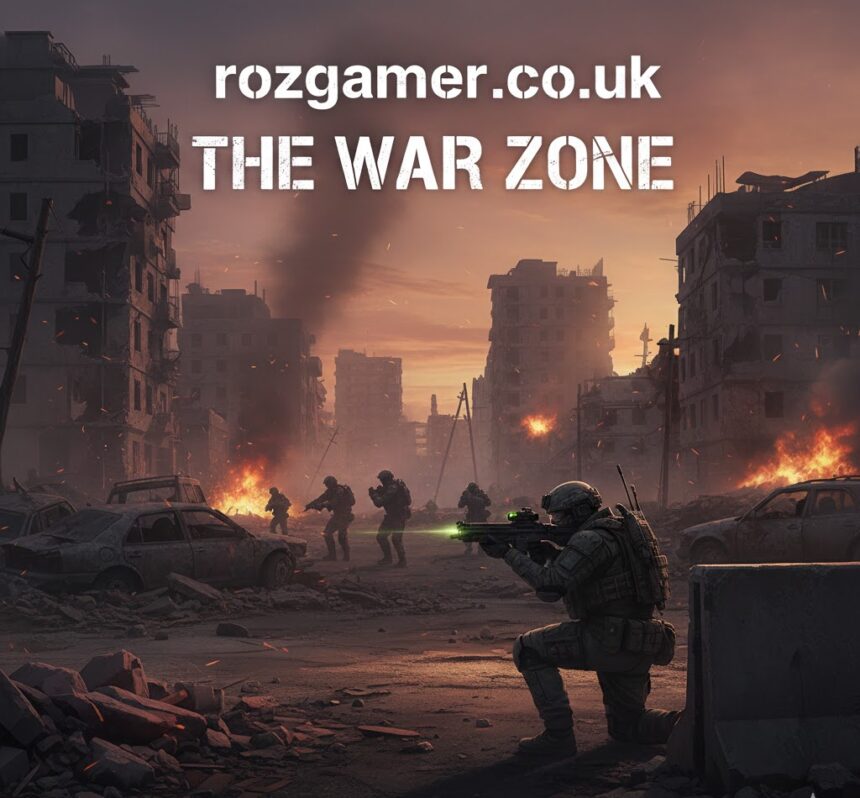
The term “the war zone” evokes images of chaos and destruction, a place where human life hangs by a thread. These areas are often marked by conflict, strife, and deep-seated tensions that can tear communities apart. But what lies beneath the surface of these tumultuous regions? The realities are complex, with layers of history, politics, and emotions intertwining to create an environment fraught with peril. As we delve deeper into the world of war zones, we uncover not just the battles fought between armies but also the stories of resilience among civilians caught in their crossfire. Each conflict brings its own set of challenges—challenges faced not only by soldiers but also by humanitarian workers striving to make a difference against overwhelming odds. Understanding this intricate landscape is essential for grasping why peace remains so elusive. Join us as we explore the heart-wrenching truths behind war zones—their causes, impacts on innocent lives, and ongoing efforts toward healing and rebuilding in some of our world’s most devastated regions.
Reasons for Conflict and Chaos in War Zones
Wars often arise from a complex mix of political, economic, and social tensions. Power struggles can ignite conflict when factions vie for control. Historical grievances also play a significant role; past injustices can fester over time. Resource scarcity is another catalyst. Competition for water, land, or minerals fuels disputes that may escalate into violence. Economic instability further exacerbates these issues, leading to frustration among the populace. Cultural and ethnic divisions can deepen rifts within societies as well. When groups feel marginalized or threatened by others, hostility grows. Additionally, external influences cannot be ignored. Foreign interventions or support for particular factions can intensify conflict and create chaos in war zones. Each situation is unique but interconnected factors contribute significantly to the turmoil experienced in these regions worldwide. Understanding these root causes is crucial for any efforts aimed at resolution and peace-making initiatives down the line.
The Devastating Effects on Civilians
The war zone is a landscape of shattered lives. Civilians often bear the brunt of conflict, enduring unimaginable suffering daily. Homes are reduced to rubble, leaving families displaced and vulnerable. Children grow up in fear, their laughter silenced by the sounds of gunfire and explosions. Access to basic necessities becomes a daunting challenge. Food shortages and lack of clean water lead to malnutrition and disease among those already weakened by trauma. Healthcare systems crumble under pressure. Hospitals become targets rather than sanctuaries, forcing many to seek care in makeshift facilities or not at all. Psychological scars run deep as constant stress takes its toll on communities. Survivors grapple with loss while struggling to maintain hope amidst chaos. The ripple effects extend beyond immediate danger, influencing generations trapped in cycles of violence and instability. Each day brings new challenges for civilians trying to reclaim their lives amid relentless turmoil.
Challenges Faced by Humanitarian Aid Workers in War Zones
Humanitarian aid workers enter war zones with a mission to provide relief. Yet, they face immense challenges in these chaotic environments. Safety is paramount. Constant threats from violence and instability make every day unpredictable. Workers often find themselves navigating through areas where conflict erupts suddenly. Access to resources poses another hurdle. Supply lines can be disrupted, leaving teams without essential medical supplies or food for those in need. The logistical nightmare complicates their efforts significantly. Cultural sensitivity is crucial as well. Understanding local customs and conflicts ensures that aid reaches the right people without inflaming tensions further. Emotional toll weighs heavily on these individuals too. Witnessing suffering firsthand can lead to burnout and mental health struggles, making resilience vital for long-term commitment in such dire conditions. Despite these obstacles, many remain dedicated, driven by compassion and the desire to make a positive change amid chaos.
Mental Health Impact on Soldiers and Civilians
The war zone is not just a physical battleground; it’s also a mental one. Soldiers endure immense psychological pressure while navigating the chaos of conflict. Combat exposure can lead to PTSD, anxiety, and depression. Civilians caught in these conflicts face their own struggles. Witnessing violence or losing loved ones creates deep emotional scars that may never heal. Families are torn apart, leaving lasting impacts on community cohesion. Access to mental health resources is often limited in war zones. Stigmas surrounding mental illness further prevent individuals from seeking help when they need it most. Both soldiers and civilians grapple with isolation and fear as they try to cope with traumatic experiences. The invisible wounds linger long after the guns fall silent, affecting generations to come while complicating efforts for recovery and rebuilding trust within communities impacted by war.
Efforts for Peace and Rebuilding in War-Torn Countries
Across war-torn countries, a flicker of hope shines through the rubble. Grassroots movements and international organizations unite to foster peace. They work tirelessly to bridge divides that years of conflict have widened. Community dialogues are essential. Local leaders gather civilians, encouraging conversations about shared futures instead of lingering grievances. These discussions pave the way for understanding and collaboration. Rebuilding infrastructure is another critical step. Schools, hospitals, and roads need urgent attention. International aid plays a significant role in this reconstruction phase, yet local involvement is just as crucial. Education programs emerge from these efforts too. Teaching skills not only empowers individuals but also promotes stability within communities. Young people become agents of change rather than victims of their circumstances. Artistic expressions flourish amidst chaos—murals and performances reflect resilience and aspirations for peace. Creativity breathes life into devastated areas while fostering unity among diverse groups striving for harmony once again.
Conclusion:
The war zone remains a complex and tragic reality for many across the globe. The reasons behind these conflicts are often deeply rooted in history, politics, and social dynamics. Each battle leaves scars not only on the land but also on the lives of those who inhabit it. Civilians bear the brunt of chaos in war zones. Their stories often go unheard amidst headlines filled with statistics. They lose homes, loved ones, and their sense of security. Humanitarian aid workers strive to bring relief to these affected populations while facing immense dangers themselves. Navigating unstable territories can be challenging as they attempt to deliver essential supplies amid ongoing violence. Mental health suffers significantly for both soldiers and civilians caught in this turmoil. Trauma manifests differently yet impacts everyone involved—sometimes leading to lifelong struggles that extend beyond physical injuries. Hope persists through various efforts aimed at rebuilding communities after devastation occurs. Local organizations work tirelessly alongside international bodies to promote peace initiatives that may one day restore normalcy. Understanding life within a war zone is vital as we consider our collective responsibility toward those impacted by such crises around the world.