


In the ever-evolving world of gaming, a new breed of titles has emerged that keeps players coming back for more. what is a live service game —dynamic experiences designed to grow and change over time. Whether you’re a seasoned gamer or just dipping your toes into this exciting genre, understanding what makes these games tick is essential. From ongoing updates and community events to frequent expansions, live service games have transformed how we engage with our favorite titles. But what exactly defines a live service game? How did they come to be so popular? Join us as we delve deep into this fascinating topic and explore everything you need to know about one of gaming’s most captivating trends.
What Makes a Game a Live Service Game?
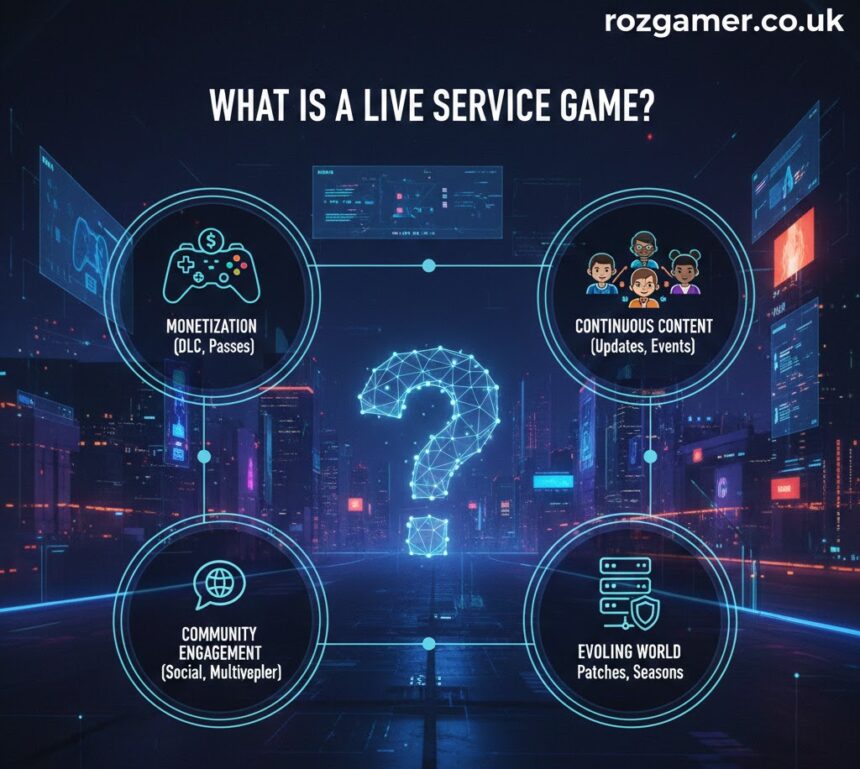
A live service game is defined by its continuous engagement with players. Unlike traditional titles, these games aren’t static upon release. They evolve over time, offering new content and update s regularly. One key aspect is the presence of ongoing events and seasons. Developers introduce fresh challenges to keep the community active and invested. Another defining feature is the incorporation of multiplayer experiences. Players often collaborate or compete in real-time, fostering a sense of camaraderie or rivalry. Monetization strategies also play a significant role. Many live service games offer microtransactions for cosmetic items or expansions that enhance gameplay without disrupting balance. Player feedback shapes future updates. This ongoing dialogue between developers and gamers creates an adaptable environment where changes can be made based on community desires and needs.
The History and Evolution of Live Service Games
The concept of live service games dates back to the early 2000s, with titles like “World of Warcraft” leading the charge. This MMORPG introduced players to a persistent world where content was regularly updated, fostering a sense of community. As technology advanced, so did game design. The rise of digital distribution platforms allowed developers to push patches and expansions without physical media. Players craved more interaction and engagement, prompting studios to adopt ongoing support strategies. In the late 2010s, the model exploded in popularity with hits like “Fortnite” and “Destiny 2.” These games not only featured regular updates but also incorporated seasonal events that kept players returning for fresh content. Today’s live service games often rely on monetization strategies through microtransactions. They create an environment where gamers can invest time—and money—into their favorite universes continuously evolving over time.
Popular Live Service Games in the Market
Some popular live service games have captured the hearts of millions. Titles like “Fortnite” and “Apex Legends” are at the forefront, offering dynamic gameplay and regular updates that keep players engaged. “Minecraft,” while initially a sandbox game, has embraced live service elements through constant updates and community-driven events. This keeps its vast player base coming back for more. Then there’s “Destiny 2,” which blends first-person shooting with RPG mechanics. Its ever-evolving storylines and seasonal content ensure that players always have new challenges to tackle. On the sports side, “FIFA Ultimate Team” thrives on introducing fresh content with each season, appealing to both casual gamers and hardcore fans alike. These titles illustrate how diverse live service games can be, catering to various interests while maintaining an active community around them. Each game offers unique experiences that evolve over time, fostering a sense of connection among players worldwide.
Advantages of Playing Live Service Games
One of the standout advantages of playing live service games is their dynamic nature. These games receive constant updates, bringing fresh content and features that keep players engaged over time. Community interaction plays a vital role too. Many live service games foster online communities where players can connect, share experiences, and collaborate on challenges. This social aspect enhances the overall gaming experience. Another benefit is the ongoing support from developers. Players often see regular patches and improvements based on feedback, ensuring that issues are addressed promptly. This level of responsiveness creates a more polished gaming environment. Events like seasonal challenges or limited-time offers add an exciting layer to gameplay. Such events encourage players to return regularly to explore new content and earn exclusive rewards, maintaining high engagement levels throughout the game’s life cycle.
Disadvantages of Playing Live Service Games
While live service games offer engaging experiences, they also come with significant drawbacks. One major issue is the potential for burnout. Continuous updates and events can create pressure to keep playing, leading to fatigue. Another concern is the reliance on in-game purchases. Many titles use a free-to-play model that often encourages players to spend money for advantages or cosmetic items. This can lead to an unhealthy cycle of spending without realizing it. Additionally, server issues and bugs can disrupt gameplay. Frequent maintenance periods may frustrate players who want uninterrupted fun. Game longevity can be uncertain. Titles may lose support over time, leaving dedicated fans stranded with unfinished stories or abandoned worlds. These factors are critical when considering whether a live service game aligns with your gaming preferences and lifestyle choices.
Tips for Getting Started with a Live Service Game
Diving into a live service game can be exciting yet overwhelming. Start by selecting a title that aligns with your interests. Whether you prefer action, strategy, or role-playing, there’s something for everyone. Once you’ve chosen your game, take time to understand its mechanics. Most titles offer tutorials or guides—don’t skip these! They’re vital in familiarizing yourself with the gameplay and controls. Joining a community can enhance your experience significantly. Engage in forums or social media groups dedicated to the game you’re playing. Here you’ll find tips, tricks, and camaraderie. Don’t rush through content. Live service games are designed for continuous play; enjoy each update as it comes rather than trying to complete everything at once. Embrace the journey instead of racing towards the endgame rewards.
How to Avoid Overspending on In-Game Purchases
Setting a budget before diving into a live service game can keep your spending in check. Determine how much you’re willing to spend each month and stick to that limit. Take advantage of free content and events regularly offered by developers. These often provide rewards without requiring any financial commitment. Keep an eye on sales or special promotions; they can be tempting but also offer significant savings if approached wisely. Be mindful of impulse purchases, especially those flashy items that promise immediate gratification. Consider waiting 24 hours before making such decisions. Track your spending over time. Knowing where your money goes can help identify patterns and areas for improvement, ensuring that gaming remains fun without breaking the bank.
The Future of Live Service Games
The future of live service games is poised for exciting developments. With advances in technology, players can expect more immersive experiences than ever before. Enhanced graphics and virtual reality integration could redefine gameplay. Game developers are increasingly focusing on community engagement. Social features will allow players to connect in unprecedented ways, fostering deeper relationships within gaming communities. Moreover, the rise of cross-platform play will break down barriers between consoles and PCs. This shift means friends can team up regardless of their preferred platform. As subscription models gain popularity, monetization strategies may evolve as well. Players might enjoy a broader range of content without feeling pressured by constant microtransactions. The emphasis on player feedback will shape game updates and new content releases. Developers are likely to prioritize what players want most, ensuring that live service games remain relevant and engaging over time.
Conclusion
Live service games have transformed the gaming landscape, offering players dynamic experiences that evolve over time. These games provide ongoing content and updates, creating a sense of community and engagement that traditional titles often lack. However, they also bring challenges, such as potential overspending on in-game purchases. As you explore this unique genre, understanding its mechanics can enhance your experience. While navigating popular titles like Fortnite or Destiny 2 can be thrilling, it’s essential to approach these games mindfully. Set limits for yourself and focus on enjoying the journey rather than just chasing rewards. The future of live service games is promising with advancements in technology potentially leading to even more immersive experiences. As developers continue to innovate, players can look forward to fresh content and exciting gameplay mechanics that keep them coming back for more. Whether you’re new to live service games or a seasoned player looking for tips and strategies, there’s always something new waiting around the corner in this ever-evolving gaming paradigm. Embrace the adventure!