

Gambling is the act of wagering money or valuable items on an event with an uncertain outcome, primarily driven by chance. Various forms of gambling risks exist, including casino games, sports betting, lotteries, and online gaming. Each format provides unique experiences and attracts diverse audiences. Casino games such as poker, blackjack, and roulette offer players the chance to engage strategically, while sports betting allows enthusiasts to wager on the outcomes of their favorite teams and athletes. Other popular forms include scratch cards and bingo, often found in both physical venues and online platforms.
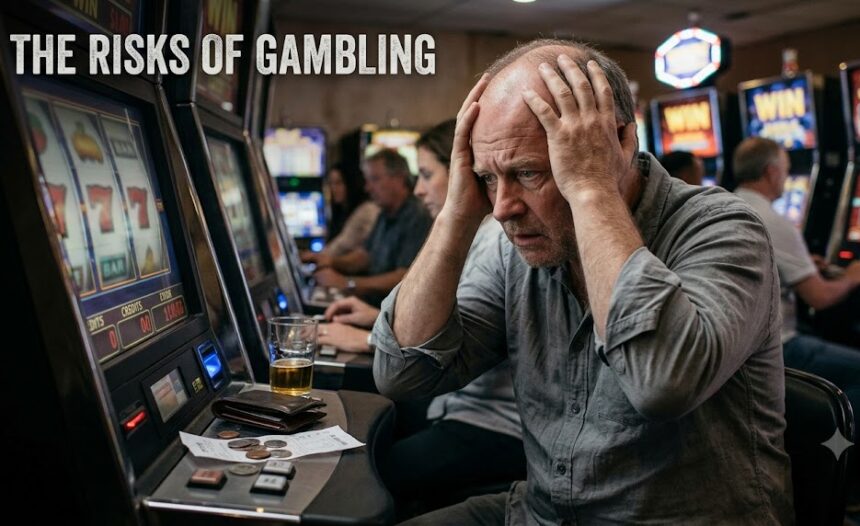
Despite the thrill that these activities may bring, it is vital to recognize the inherent risks associated with gambling. One primary concern is the potential for financial loss. Gamblers may find themselves gradually wagering larger amounts, leading to significant losses that exceed their initial intentions. Those engaging in gambling must be cautious with their bankroll and set strict limits to mitigate these risks.
Another major risk is the possibility of developing an addiction to gambling. Gambling can be highly addictive due to the adrenaline rush and the appeal of potentially winning large sums of money. This addiction can adversely affect personal relationships and mental well-being, as it often leads individuals to prioritize gambling over essential responsibilities and connections. The consequences may range from social isolation to financial ruin.
Understanding these risks is crucial for beginners. By acknowledging the potential dangers of gambling, individuals can make informed decisions and adopt safer gambling habits. Awareness of one’s own limits, responsible gambling practices, and recognizing when to seek help are all steps towards ensuring a safer and more enjoyable gambling experience.
Setting a Budget for Gambling
Establishing a budget is a crucial first step for anyone new to gambling. The importance of setting a budget cannot be overstated, as it serves as a guideline that helps in managing one’s finances effectively. By determining how much money you can afford to lose, you can maintain a healthy approach to gambling and reduce the risk of financial stress.
To begin, assess your financial situation by reviewing your monthly income and expenses. This understanding will allow you to identify an amount of money that can be allocated for entertainment, including gambling. It is vital to treat gambling as a leisure activity rather than a potential source of income. By doing so, you can establish a mindset that promotes responsible gambling behavior.
Once you have a clear understanding of your budget, it is equally important to stick to it. One effective method for resisting the temptation to overspend is to set aside a specific amount of cash for your gambling activities. Avoid using credit cards or your bank account directly at the gaming venue; this practice can lead to overspending and unwanted debt. Instead, withdrawing the budgeted amount in cash can help you visualize your spending limits and resist the urge to go beyond them.
Moreover, consider implementing a time limit for your gambling sessions. Limiting both the amount of money spent and the duration of play can create a more balanced experience and encourage responsible gambling habits. Should you find it challenging to adhere to your budget, it may be beneficial to seek support from friends or family, or even join a gambling support group. By remaining disciplined and committed to your budget, you can enjoy the thrill of gambling while minimizing potential financial pitfalls.
Choosing the Right Games
For those new to the world of gambling, the selection of the right games is vital to ensure a positive and responsible experience. Understanding the varieties of gambling games available can significantly influence your enjoyment and skill development. Primarily, gambling games can be categorized into two types: skill-based and chance-based games. Skill-based games, such as poker, rely heavily on the player’s ability to make strategic decisions and implement effective tactics. In contrast, chance-based games, including slots and roulette, are largely governed by luck.
Beginners should first assess their own comfort level and interest. If you enjoy engaging your mind and strategizing, skill-based games might be more suitable. These games usually require an understanding of the game’s intricacies, player behaviors, and mathematical probabilities. Therefore, it is essential to familiarize yourself with the rules and strategies through free resources or tutorials before playing for real money.
On the other hand, if you prefer a more laid-back approach, chance-based games could be appealing. These games typically entail less mental strain since the outcomes are random, and the primary goal is to enjoy the experience. However, this does not negate the importance of understanding the basic mechanics and payout structures. Arming yourself with knowledge about the odds and rules is crucial in promoting responsible gambling.
Regardless of the type of game chosen, consistently practicing moderation and awareness of one’s limits remains paramount. Engaging with gaming platforms that provide insights into your gambling behavior can help maintain a balanced approach, ultimately fostering a healthier gambling environment for beginners. By carefully selecting games that align with personal preferences and skill levels, newcomers can significantly enhance their gambling experience while gambling responsibly.
Recognizing the Signs of Problem Gambling
Understanding the signs of problem gambling is imperative for beginners who wish to engage in gambling responsibly. Although gambling can be an enjoyable pastime, it is essential to recognize when it transitions into potentially problematic behavior. The first indicators often manifest emotionally. If an individual finds themselves feeling anxious, irritable, or restless during gambling activities, these emotional cues may signal a growing compulsion. Similarly, preoccupation with gambling, such as constantly thinking about previous bets, can indicate that the activity has become more than just leisure.
Behavioral signs are equally important to monitor. Beginners should be wary if they start lying about their gambling habits or hiding the extent of their betting from family and friends. This deceit can lead to strained relationships and isolation, further compounding emotional distress. Additionally, if gambling activities lead to a neglect of personal responsibilities—such as work, school, or social commitments—this may suggest an escalation that requires immediate attention.
Financial indicators serve as critical warning signs as well. It is important for beginners to track their spending patterns; using money intended for essential needs (like bills or groceries) to fund gambling activities is a red flag. Furthermore, accumulating gambling debts or falling behind on payments due to gambling can illustrate a serious issue. When financial burdens begin to affect one’s quality of life or daily functioning, it becomes evident that the gambling habits are no longer manageable.
In summary, recognizing the signs of problem gambling encompasses emotional, behavioral, and financial dimensions. By staying vigilant and acknowledging these warning signs, beginners can take proactive steps to ensure that their gaming experiences remain enjoyable and within their control.
Developing a Gambling Plan
Creating a personal gambling plan is a critical step for beginners who wish to gamble responsibly. This plan serves as a guideline to promote thoughtful engagement with gambling activities, helping individuals develop a strategic approach rather than a haphazard one. The first aspect to consider when developing a gambling plan is setting clear financial limits. This involves establishing a budget for how much money can be allocated to gambling activities without affecting essential expenses or financial obligations. By setting appropriate limits, individuals can prevent excessive losses and maintain control over their gambling habits.
In addition to financial limits, it is essential to identify target games. Different games come with varying odds and levels of risk. Beginners should focus on games that they understand thoroughly and feel comfortable playing, as this enhances their overall experience and allows for more informed decisions. It might be beneficial to select a few favorite games and commit to those, thus reducing the temptation to explore more complex or riskier options.
Another crucial element of a gambling plan is determining the frequency of play. Establishing limits on how often one engages in gambling activities can help maintain a healthy balance with other aspects of life, including social interactions and personal responsibilities. For instance, deciding on specific days or times to gamble can create a structured routine that discourages impulsive decisions.
To facilitate the development of a personal gambling strategy, beginners might find it helpful to utilize templates or examples in their planning process. These templates could include sections for budget tracking, game preferences, and scheduled play times. By following a structured approach to gambling, individuals are better positioned to enjoy the experience while minimizing potential risks and promoting responsible gambling practices.
Take Breaks and Stay in Control
When it comes to gambling, particularly for beginners, maintaining control is paramount. One of the most effective strategies for achieving this is through the practice of taking regular breaks. Gambling can be an engaging activity, often leading individuals to lose track of time. By incorporating breaks into your gambling sessions, you can regain perspective and assess your emotional and financial status.
Setting time limits is a crucial technique that can assist in fostering responsible gambling habits. Before you begin a session, decide how long you will play and stick to it. Use timers, alarms, or mobile reminders to signal when it is time to pause or step away from the game. This practice not only encourages discipline but also helps to create a healthy separation from the gambling experience.
In addition to physical breaks, it is also important to maintain mental clarity while gambling. Take a moment to evaluate your current situation before proceeding with additional bets. Reflecting on your decisions allows you to maintain self-control, which is essential for responsible gambling. If you find yourself becoming overly excited or stressed, this is a clear indicator to take a break. Engaging in other activities during these breaks, such as taking a walk or practicing mindfulness, can provide a refreshing reset.
Ultimately, knowing when to step back and take breaks is vital for beginners navigating the gambling landscape. Implementing these practices will support your ability to gamble responsibly, providing a healthier, more enjoyable experience overall. Remember, gambling should be viewed as a form of entertainment rather than a source of income.
Seeking Help and Support
For individuals who may find themselves struggling with gambling behaviors, recognizing the need for help is the first crucial step towards recovery. The journey of gambling can sometimes lead to consequences that impact not only the individual but also their families and friends. Seeking support is essential for effective management and rehabilitation.
Various resources are available for those who may need assistance. Organizations such as the National Council on Problem Gambling (NCPG) offer a multitude of services, including helplines, chat support, and educational materials to help individuals understand their gambling habits. The NCPG’s confidential help line can provide immediate assistance and connect callers with local counseling services. Additionally, online platforms offer support through forums and chat rooms where individuals can share their experiences and find comfort among peers.
Support groups are another valuable resource for those dealing with gambling issues. Programs like Gamblers Anonymous (GA) foster a sense of community and provide a safe space for members to share their experiences and coping strategies. GA operates on the principle of anonymity, ensuring that participants can engage openly without fear of judgment. Moreover, professional counseling services can be of great aid; therapists trained in addiction and behavioral issues can offer personalized strategies tailored to an individual’s circumstances and needs.
It is also vital to involve family members and friends in the recovery process. Having a support system can significantly enhance an individual’s commitment to change. Encouraging loved ones to participate in educational sessions about gambling can further promote an understanding of the challenges and introduce healthy ways to cope. Ultimately, the path to responsible gambling begins with the courage to seek help and the resources available to guide individuals on their journey towards recovery.
Smart Betting Strategies for Beginners
When embarking on the journey of gambling, especially for beginners, it is crucial to adopt smart betting strategies. The foundation of responsible gambling lies in effective bankroll management, which is a principle that helps players maintain control over their finances. A recommended approach is to allocate a specific amount of money solely for gambling purposes, thus preventing any potential conflict with daily expenses or savings. This method not only provides a clear limit on funds but also allows for more enjoyable gambling experiences without the stress of exceeding one’s financial means.
Understanding odds is another essential aspect that beginners should focus on. Odds represent the likelihood of specific outcomes occurring and are typically expressed in different formats, such as fractional, decimal, or moneyline. Familiarity with these formats enables players to make informed decisions based on their potential returns. For instance, recognizing how to interpret decimal odds can help determine the amount of profit relative to the stake placed. Additionally, beginners should aim to engage in betting opportunities that present favorable odds, thereby maximizing their chances while minimizing risks.
Sensible betting practices further complement responsible gambling efforts. This includes strategies such as only placing bets on events one is knowledgeable about and avoiding impulse betting, which often leads to poor decision-making. Limiting bets to a certain percentage of one’s bankroll, such as 1% to 5%, also mitigates risk while allowing players to explore various gambling options. Furthermore, setting a time limit for gambling sessions helps prevent excessive play and encourages breaks, contributing to a healthier approach to betting. By incorporating these smart betting strategies, beginners can not only enhance their overall gambling experience but also engage in practices that support responsible gambling.
Conclusion: Enjoy Gambling Responsibly
As we draw this discussion to a close, it is essential to underscore the significant points presented regarding responsible gambling. Throughout the article, we explored various strategies that can aid beginners in enjoying gambling as a recreational activity rather than allowing it to adversely affect their lives. Setting a budget, understanding the risks involved, and knowing when to take a break are vital aspects of participating in gambling activities with awareness and control. These practices foster a healthy relationship with gambling, emphasizing that it should serve as a source of entertainment.
Moreover, the importance of self-awareness and the recognition of personal limits cannot be overstated. By understanding the highs and lows that accompany gambling, newcomers can cultivate a more balanced experience. Recognizing the distinction between gambling as a form of entertainment and a financial investment is crucial in mitigating potential negative consequences.
Engaging with gambling resources, such as support groups and informational guides, enhances your ability to make informed decisions. Furthermore, many online betting platforms now provide tools to help players monitor their time and spending, reinforcing the practice of gambling responsibly. These elements collectively contribute to a safer gambling environment where enjoyment prevails while reducing the risk of harmful behaviors.
In conclusion, gambling can indeed be a fun activity when approached with the right mindset and strategies. By implementing the practices and advice discussed in this article, readers can ensure that their gambling experiences remain positive and enriching. Striving for responsible engagement will not only enhance enjoyment but also promote a healthier outlook on this popular pastime. Remember, the key to a fulfilling gambling experience lies in balancing enjoyment with responsibility.