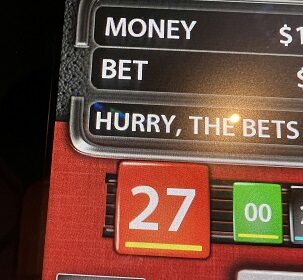



Casino gambling can feel exciting when the possibility of winning is just one spin, hand, or wager away. However, losing money can trigger an emotional response that encourages players to keep gambling in an attempt to recover their losses. This behavior, commonly known as chasing casino losses, can turn an occasional entertainment activity into a serious financial and emotional problem.
Understanding why chasing casino losses can make things worse is essential for anyone who participates in casino games, online gambling, or sports betting. When players focus on recovering lost money, they may abandon spending limits, make impulsive decisions, and expose themselves to greater financial risks. Unfortunately, increasing bets or extending gambling sessions does not guarantee that previous losses will be recovered.
Recognizing the psychology behind loss chasing can help individuals make more informed decisions about their gambling habits. By understanding gambling risks, identifying unhealthy betting patterns, and developing practical financial boundaries, players can better protect their money and emotional well-being. Knowing when to stop gambling is often more important than knowing how a particular casino game works.
What Does Chasing Casino Losses Mean?
Chasing casino losses happens when someone continues gambling specifically to recover money they have already lost. Instead of treating the original loss as a completed expense, the player sees it as a temporary setback that needs correction. This mindset can encourage additional betting even when the person initially intended to stop gambling.
For example, someone might lose money playing slot machines and decide to continue until they return to their original balance. Another player might increase their blackjack wagers after an unsuccessful session, believing a larger win could erase previous losses. Although these decisions may feel logical in the moment, they expose the player to further uncertainty.
Loss chasing is not limited to traditional casinos or high-stakes gambling environments. It can occur through online casino platforms, sports betting applications, poker games, and other wagering activities. The defining characteristic is the motivation to recover previous losses rather than making a genuinely independent decision about whether to gamble.
Why Do Casino Players Feel the Need to Chase Losses?
One major reason people chase gambling losses is the discomfort associated with losing money. Financial losses can trigger frustration, disappointment, embarrassment, and anxiety, especially when the amount exceeds expectations. Continuing to gamble may temporarily create a sense of hope, making another wager appear more appealing than accepting the loss.
Another important factor involves the human tendency to value losses more strongly than equivalent gains. This psychological pattern, known as loss aversion, can make losing money feel particularly painful. As a result, players may take additional risks to avoid acknowledging that their gambling session ended unsuccessfully.
Casino environments can also encourage continued participation through rapid gameplay, repeated betting opportunities, and highly engaging sensory experiences. Online gambling platforms make placing another wager particularly convenient because games are often accessible within seconds. These conditions can make it harder for someone experiencing emotional distress to pause and reconsider their financial decisions.
How Chasing Casino Losses Creates Bigger Financial Problems
The most immediate danger of chasing casino losses is the possibility of losing additional money. Every new wager introduces another opportunity for financial loss, regardless of what happened during previous games. When players continue betting beyond their original limits, small gambling expenses can gradually develop into substantial financial difficulties.
Consider someone who originally planned to spend a modest amount on casino entertainment but loses that money quickly. Instead of stopping, they deposit more funds because they believe another session might recover the original loss. If subsequent bets are unsuccessful, the financial damage increases, sometimes leading to repeated deposits and larger gambling debts.
These losses may eventually affect money intended for rent, groceries, transportation, medical expenses, or household bills. Some people begin borrowing funds or using credit cards to support continued gambling. Once gambling interferes with essential financial obligations, the consequences can extend far beyond the original casino session.
The Psychology Behind Chasing Gambling Losses
Understanding the psychology of gambling losses helps explain why stopping can become difficult after an unsuccessful session. Players sometimes experience a powerful desire to restore their previous financial position. This motivation can override their original spending plans, particularly when strong emotions interfere with careful decision-making.
Another psychological influence is the sunk cost fallacy, which occurs when people continue an activity because they have already invested money, time, or effort. In gambling, someone may believe that stopping means their earlier losses were wasted. However, money already lost cannot improve the probability of winning future casino games.
Emotional reinforcement can also contribute to repeated gambling behavior. An occasional win after several losses may strengthen the belief that persistence eventually leads to recovery. Although such outcomes are possible, they do not establish a dependable pattern, and relying on them can encourage increasingly risky financial decisions.
Why Increasing Casino Bets Does Not Guarantee Recovery
Increasing wager sizes is a common response among players attempting to recover gambling losses quickly. Someone who loses several small bets may assume that placing a larger wager creates a better opportunity to restore their balance. However, a higher bet increases the amount of money at risk without making the outcome more predictable.
Many casino games operate with a mathematical house edge, meaning the casino has a statistical advantage over players across repeated wagering. Although individual sessions can produce wins, the underlying game rules do not change because someone previously experienced losses. Increasing bets simply exposes more money to those same unfavorable long-term conditions.
Some players also believe that repeatedly doubling their wagers will eventually produce a winning outcome that compensates for earlier losses. This approach can fail because available funds, betting limits, and consecutive losing outcomes create significant obstacles. No betting progression can eliminate gambling uncertainty or guarantee that previous losses will be recovered.
How the Gambler’s Fallacy Encourages Loss Chasing
The gambler’s fallacy is the mistaken belief that previous random outcomes influence what should happen next. For example, someone watching a roulette wheel may assume that red becomes more likely after several consecutive black results. In a fair roulette game, previous spins do not change the probabilities associated with the next independent spin.
This misunderstanding can encourage players to continue betting because they believe a favorable result is overdue. Similar thinking appears in slot machine gambling when someone assumes a machine must eventually deliver a jackpot after numerous unsuccessful spins. However, properly functioning random games do not compensate individual players for their previous losses.
Recognizing the difference between probability and expectation is essential for avoiding these misleading assumptions. A sequence of unsuccessful bets does not create a personal entitlement to future winnings. Understanding independent outcomes can help players question the belief that continuing to gamble will automatically improve their financial position.
The Emotional Consequences of Chasing Casino Losses
Chasing casino losses can create emotional difficulties that continue after the gambling session ends. Feelings of regret, frustration, guilt, and disappointment may become stronger as financial losses accumulate. Some individuals also experience anxiety about explaining missing money or managing expenses that were previously affordable.
These emotions can create a difficult cycle in which gambling becomes both the source of distress and an attempted escape from it. Someone feeling upset about losing money may return to a casino hoping that a win will improve their mood. Unfortunately, additional losses can intensify the same emotions that encouraged continued gambling.
Persistent financial uncertainty may also affect concentration, confidence, sleep quality, and everyday decision-making. People sometimes become preoccupied with gambling outcomes or spend considerable time calculating how much money they need to recover. When these patterns disrupt daily life, seeking emotional support can be an important protective step.
Why Chasing Losses Can Lead to Problem Gambling
Repeated loss chasing is a recognized warning sign of potentially harmful gambling behavior. Although one episode does not automatically mean someone has a gambling disorder, persistent attempts to recover losses deserve attention. The concern becomes greater when gambling continues despite financial problems, emotional distress, or repeated promises to stop.
Over time, some individuals develop increasingly risky gambling habits as their original spending limits lose importance. They may gamble more frequently, use larger amounts of money, or hide their activities from people close to them. These changes can indicate that gambling is becoming difficult to control rather than remaining an occasional recreational activity.
Problem gambling can affect people from different financial backgrounds and levels of gambling experience. Even individuals who understand casino rules may struggle with emotional impulses after losing money. Recognizing concerning behavior early creates opportunities to introduce stronger safeguards, reduce exposure to gambling, and access professional assistance when needed.
How Chasing Casino Losses Affects Personal Relationships
Financial difficulties caused by gambling often extend into relationships with partners, relatives, and friends. Household members may become concerned when money disappears unexpectedly or important expenses remain unpaid. Repeated gambling losses can also create disagreements about financial priorities, particularly when shared savings or family income are involved.
Some individuals attempt to conceal gambling activities because they feel embarrassed about the amount they have lost. They may avoid discussing bank transactions, provide misleading explanations for missing money, or borrow funds without revealing their intended purpose. Unfortunately, secrecy can undermine trust and make financial problems harder to resolve.
Open communication can help reduce misunderstandings and encourage appropriate support before difficulties become more serious. Discussing financial concerns with a trusted person may also make it easier to establish protective boundaries. When gambling has caused significant relationship strain, professional counseling or specialized gambling support may provide additional guidance.
Why Online Casinos Can Make Loss Chasing Easier
Online casino platforms allow people to access gambling activities without traveling to a physical casino. Slots, roulette, blackjack, and other games may be available through smartphones, tablets, or computers. This convenience can make it easier to continue gambling immediately after a loss, especially when money can be deposited electronically.
Rapid gameplay is another factor that may increase the risk of repeated betting. Digital casino games often offer quick results and immediate opportunities to play again. Without natural breaks between sessions, players experiencing frustration may place additional wagers before fully considering their financial circumstances.
Promotional messages and personalized notifications can also encourage users to return to gambling platforms. Bonuses and special offers may appear attractive after an unsuccessful session, but they do not reverse previous losses or guarantee future winnings. Disabling gambling notifications and limiting platform access can help reduce exposure to these triggers.
How to Recognize the Warning Signs of Loss Chasing
One warning sign of loss chasing is continuing to gamble after reaching a previously established spending limit. Someone may repeatedly tell themselves that one additional wager will be their last. When this reasoning occurs frequently, it may indicate that emotional pressure is influencing decisions more strongly than financial boundaries.
Another concern involves increasing bet sizes or making additional deposits specifically to recover previous losses. Players may also begin checking casino balances obsessively, borrowing money, or using funds reserved for ordinary expenses. These behaviors suggest that gambling is no longer operating within the person’s intended financial limits.
Emotional warning signs matter just as much as financial ones. Feeling unable to stop, becoming unusually distressed after losses, or constantly thinking about recovering money can indicate growing difficulties. Identifying these patterns early makes it easier to consider protective action before the consequences become more severe.
Practical Ways to Stop Chasing Casino Losses
The most effective immediate response to an urge to chase losses is to stop gambling rather than attempt another wager. Leaving the casino, closing gambling applications, or stepping away from the device can interrupt the cycle. Creating physical or digital distance provides an opportunity to regain perspective without placing additional money at risk.
Consider using available gambling safeguards, including deposit restrictions, account closures, self-exclusion programs, and banking transaction blocks. These tools can create barriers that make impulsive gambling more difficult. If previous spending limits have repeatedly failed, stronger restrictions may be more appropriate than trying to manage gambling through smaller wagers.
Talking with someone trustworthy can also help when the desire to recover losses becomes overwhelming. A friend, family member, counselor, or gambling support professional may provide perspective and practical assistance. If stopping independently feels difficult, specialized support can help address the behaviors and emotional triggers associated with repeated gambling.
Why Accepting Casino Losses Is Better Than Trying to Win Them Back
Accepting a gambling loss means recognizing that previously spent money is no longer available and cannot be recovered through a guaranteed strategy. This can feel uncomfortable, especially when the amount involved is significant. However, continuing to gamble exposes additional funds to risk rather than correcting the financial outcome of earlier bets.
Separating past losses from future financial decisions helps reduce the influence of emotional thinking. Money that remains available can still support household expenses, emergency savings, debt repayments, and personal needs. Protecting those funds may provide greater long-term value than attempting an uncertain recovery through additional gambling.
Acceptance also involves avoiding self-criticism that prevents constructive action. Rather than focusing exclusively on mistakes, individuals can identify what triggered their behavior and consider appropriate safeguards. For recurring loss chasing, accepting the situation may include stopping gambling entirely and seeking professional help to address financial and emotional consequences.
How to Protect Your Finances After Casino Losses
After experiencing gambling losses, begin by reviewing your available income, outstanding bills, and immediate financial obligations. Identify essential payments that must take priority, including housing, food, utilities, healthcare, and necessary transportation. Avoid using additional gambling as a strategy for solving financial shortages, since this could increase the amount owed.
If gambling has created debt, consider developing a realistic repayment plan based on your actual financial resources. Contact creditors early when payments may become difficult and explore reputable financial counseling where appropriate. Borrowing more money to continue gambling generally increases financial exposure and can make repayment more challenging.
Protecting future income may require practical changes to your banking arrangements and access to gambling services. Options include restricting gambling transactions, removing stored payment methods, and arranging automatic payments for essential expenses. Combining financial safeguards with emotional support can help reduce the likelihood of repeating harmful gambling patterns.
Developing Healthier Habits to Avoid Future Gambling Problems
Developing healthier habits begins with identifying situations that encourage impulsive gambling decisions. Stress, boredom, loneliness, frustration, and financial pressure can influence gambling behavior differently for each person. Recognizing personal triggers makes it easier to choose alternative responses before gambling becomes an automatic reaction to uncomfortable emotions.
Activities such as exercise, creative hobbies, social gatherings, and outdoor recreation can provide enjoyment without risking gambling losses. Building a routine around meaningful interests may reduce the urge to return to casinos for excitement or distraction. Spending time with supportive people can also create opportunities to discuss difficult feelings openly.
For individuals who repeatedly chase losses, complete abstinence may be safer than attempting to control gambling through personal rules alone. Self-exclusion programs, professional counseling, and peer support services can help establish a more sustainable approach. Long-term improvement often involves addressing both gambling behavior and the underlying emotional or financial pressures.
Conclusion
Understanding why chasing casino losses can make things worse begins with recognizing that previous gambling outcomes do not determine future results. Continuing to bet after losing money exposes additional funds to uncertainty and may encourage increasingly risky decisions. What begins as an attempt to recover a manageable loss can develop into substantial financial difficulties.
The consequences of chasing gambling losses extend beyond money. Emotional distress, relationship conflicts, debt, and difficulties controlling gambling behavior can affect everyday well-being. Recognizing warning signs such as repeated deposits, increasing wagers, and borrowing money is essential for identifying when gambling has become harmful.
The safest response to repeated loss chasing is to stop gambling and prioritize financial stability, emotional health, and personal relationships. Practical safeguards, honest communication, and professional support can make meaningful improvements possible. Accepting past losses and protecting the money you still have is far more constructive than risking additional funds in an attempt to win everything back.
Frequently Asked Questions (FAQs)
What does chasing losses mean in casino gambling?
Chasing losses means continuing to gamble or increasing wagers specifically to recover previously lost money. This behavior can lead to further financial losses because every additional bet carries uncertainty, regardless of earlier gambling outcomes.
Why is chasing casino losses dangerous?
Chasing casino losses can encourage impulsive spending, larger wagers, borrowing, and neglecting essential expenses. Repeated attempts to recover money may also contribute to emotional distress, relationship problems, and potentially harmful gambling behavior.
Can you recover casino losses by increasing your bets?
Increasing your bets does not guarantee that you will recover previous casino losses. Larger wagers increase financial exposure, while casino house edges and unpredictable outcomes remain significant risks regardless of your betting strategy.
How can I stop the urge to chase gambling losses?
Stop gambling immediately, leave the gambling environment, and avoid depositing additional money. Consider payment blocks, self-exclusion tools, support from trusted people, and professional counseling if the urge to recover losses repeatedly becomes difficult to manage.
Is chasing gambling losses a sign of gambling addiction?
Repeatedly chasing gambling losses can be a warning sign of gambling disorder, particularly when accompanied by financial problems or difficulty stopping. However, only a qualified healthcare professional can evaluate whether someone meets the criteria for a diagnosis.