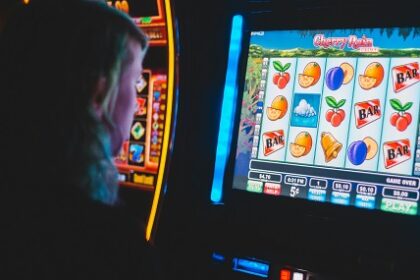



Introduction to Slot Machines
Slot machines have long been a staple of the gambling industry, with their origins dating back to the late 19th century. The first mechanical slot machine history, known as the Liberty Bell, was invented by Charles Fey in 1895. This machine featured three spinning reels adorned with various symbols, such as horseshoes, diamonds, and the iconic Liberty Bell itself. Over the decades, slot machines evolved significantly, transitioning from mechanical reels to electronic versions, which paved the way for the modern slot machines we see today. The evolution of slot machines has resulted in two primary categories: classic slots and video slots. Classic slots are typically characterized by their simple gameplay and familiar three-reel format. They often feature traditional symbols like fruits, bars, and lucky sevens, appealing to players who appreciate a nostalgic gaming experience. In addition to their simplicity, classic slots generally offer straightforward pay lines and limited bonus features, making them suitable for both beginners and purists.
On the other hand, video slots leverage advanced technology to deliver a more immersive gaming experience. These modern variants can have five or more reels and include a variety of themes, animations, and sound effects that captivate players. Video slots often come equipped with multiple pay lines, bonus rounds, and progressive jackpots, which add layers of excitement and potential winnings compared to their classic counterparts. As a result, they have become immensely popular among gamers looking for dynamic and engaging gameplay.
In the realm of slot machines, understanding these distinctions sets the stage for a deeper exploration of their features and benefits. Both classic and video slots cater to diverse player preferences, reflecting the evolution of gaming technology and players’ desires for variety in their gambling experience.
Defining Classic Slots
Classic slots, often regarded as the original form of slot machines, are characterized by their simplicity and nostalgic appeal. Typically featuring three reels, these slots evoke a sense of tradition and familiarity that resonates with many players. The gameplay is straightforward, allowing individuals to spin the reels and aim to match symbols in order to achieve a winning combination.
One of the defining characteristics of classic slots is their limited number of paylines—often restricted to just one or a handful of lines. This design not only simplifies the betting process but also contributes to the likelihood of quick, easy play. Traditional symbols such as fruits, bars, and the iconic number seven are commonly found on these machines, further enhancing their vintage aesthetic. Players may encounter symbols like cherries, lemons, and plums, creating a familiar and straightforward gaming experience.
The appeal of classic slots lies in their ability to transport players back to the golden age of gambling. With fewer bells and whistles compared to modern video slots, the essence of classic slots hinges on the thrill of the spin, providing a no-frills experience that can be deeply satisfying. This sentimental charm has led to their enduring popularity among both novice and seasoned players, proving that sometimes less is more when it comes to enjoyment.
Moreover, classic slots have shown remarkable longevity in the gambling landscape, adapting to changes in technology while retaining their essential charm. Many online casinos now offer digital versions of classic slots, allowing players to experience the nostalgic thrill from the comfort of their own homes. As a result, classic slots remain a staple in the gaming community, cherished for their simplicity and timeless appeal.
Defining Video Slots
Video slots are a popular and engaging form of slot machines, distinguished by their advanced graphics, immersive sound effects, and complex gameplay mechanics. Unlike traditional classic slots, video slots are characterized by the use of digital screens to present vibrant and animated visuals, making them visually appealing to players. The modern graphics and intricate design of these games set a new standard, enhancing the overall gaming experience.
One of the key features of video slots is the introduction of multiple paylines, which significantly increases the chances of winning. Players no longer have to rely on a single line to secure a payout; instead, they can wager on numerous lines that form the basis of varied winning combinations. This complexity adds an extra layer of excitement to every spin, attracting both seasoned players and newcomers alike.
Many video slots draw inspiration from diverse themes, ranging from popular movies and television shows to fantasy worlds and historical events. This thematic variety allows developers to create unique atmospheres and narratives, providing players with an immersive experience that keeps them engaged over extended play periods. In addition to the captivating themes, video slots often incorporate bonus features, such as free spins, wild symbols, and interactive mini-games. These elements not only enhance the entertainment value but also create opportunities for players to achieve substantial rewards.
Furthermore, the integration of sound effects and music further elevates the gameplay experience. Each spin is complemented by audio cues that resonate with the overarching theme, immersing players in the slot’s world. Thus, it is the combination of advanced graphics, multiple paylines, thematic depth, and rich soundscapes that defines video slots, making them a distinct and entertaining choice for gambling enthusiasts.
Gameplay Mechanics: Classic vs Video Slots
The mechanics of gameplay are a defining aspect of both classic slots and video slots, creating distinctive experiences for players. Classic slots, often characterized by their simplistic design, typically feature three reels and a limited number of paylines, commonly set at one to five. Players spin the reels with the primary objective of aligning symbols along a payline. The clarity of classic slots appeals to purists who appreciate straightforward betting and traditional casino aesthetics.
In contrast, video slots have significantly evolved in terms of gameplay mechanics, incorporating advanced technology that allows for a rich, immersive experience. Most video slots come equipped with five or more reels and offer multiple paylines—sometimes exceeding 100. The dynamic payline configurations provide players with various ways to win, enhancing engagement. Advanced graphics and animations contribute to a captivating environment, drawing players into a thematic narrative that often accompanies the spinning reels.
One of the most notable distinctions between classic and video slots lies in the bonuses and special features. While classic slots may offer gamblers a limited number of features, such as wilds or a straightforward jackpot, video slots often integrate a variety of complex bonus rounds. These can include free spins, interactive mini-games, and cascading reels, which not only reward players with additional winning opportunities but also create a more engaging playing experience. The inclusion of multipliers and progressive jackpots further tantalizes players, making every spin feel more rewarding.
In essence, the mechanics of gameplay in classic slots prioritize simplicity and nostalgia, while video slots embrace complexity and innovation. This fundamental difference caters to varying player preferences and ultimately shapes their gaming experience.
Payout Structures and Odds
The payout structures of slot machines play a critical role in determining the overall gaming experience and potential for winning. When comparing classic slots and video slots, it is essential to understand their return-to-player (RTP) percentages, as these metrics significantly influence a player’s odds and long-term profitability.
Classic slots typically exhibit simpler payout structures, often featuring three reels and a limited number of paylines. These machines are known for having higher RTP percentages, which can range from 85% to over 98% in some instances. This indicates that, over a prolonged period, players could expect to recover a significant portion of their wagers. The straightforward nature of classic slots often appeals to players seeking a traditional gambling experience, with the chance of winning moderately strong compared to the complexity of some modern alternatives.
On the other hand, video slots are known for their intricate gameplay and advanced features, such as bonus rounds, free spins, and multiple paylines. While these additions enhance gaming excitement, the RTP for video slots can vary widely, typically falling between 85% and 97%. Although some video slots offer high payout rates, the increased number of bet configurations often means that players face more volatility. Consequently, the chances of winning might seem lower on a per-spin basis, but the potential for larger payouts exists through the unlocking of supplementary features.
Ultimately, the choice between classic and video slots comes down to a player’s personal preference and strategy. Classic slots may provide better odds in terms of stable payouts, while video slots offer a more engaging experience with varied outcomes. Understanding these differences in payout structures and the odds associated with each type can help players make informed decisions when choosing their game.
Player Experience and Engagement
The experience and engagement provided by classic slots and video slots are substantially different, catering to varying preferences within the gambling community. Classic slots often feature three reels, straightforward gameplay, and iconic symbols such as fruit, bars, and bells. Their simplicity allows for a quick understanding of the game mechanics, which can be particularly appealing to newcomers or those seeking a nostalgic experience. Players can enjoy the spin of the reels without confronting complex features, focusing solely on the thrill of chance and immediate outcomes.
On the other hand, video slots have transformed the landscape of online gaming with their advanced technology, providing an immersive player experience. They often boast elaborate graphics, dynamic animations, and an array of engaging sound effects that contribute to a captivating atmosphere. The ability to incorporate bonus rounds, free spins, and interactive features adds layers of excitement, enticing players to explore the game further. This complexity can lead to prolonged engagement as players navigate various gameplay elements.
Ease of play constitutes another critical factor distinguishing these two categories. While classic slots are designed for effortless interaction, video slots may require players to familiarize themselves with paylines and special features. This might initially present a barrier to entry for some players, yet it often pays off by offering a richer experience and deeper involvement. The intense competition among game developers in the video slot market also fuels innovation, leading to unique themes and storytelling elements that enhance entertainment value.
Ultimately, the choice between classic and video slots hinges on personal preferences. While some may find solace in the straightforward charm of classic slots, others are drawn to the immersive world of video slots, seeking dynamic experiences that keep them engaged. This diversity within the gaming experience allows players to select options that resonate most closely with their gaming style.
Accessibility and Availability
The accessibility and availability of slot games have evolved significantly over the years, especially with the rise of online gaming platforms. Classic slots, often characterized by their traditional three-reel designs and straightforward gameplay, tend to have a more limited presence in modern casinos. While they can still be found, particularly in establishments that emphasize a nostalgic gaming experience, the variety of classic slots remains relatively small compared to their video slot counterparts.
Video slots have surged in popularity, primarily due to their advanced graphics, immersive themes, and innovative gameplay mechanics. This has led to a considerable increase in the number of video slot titles available in both physical and online casinos. Online platforms, in particular, have capitalized on the demand for diverse gaming options by offering thousands of video slot games. These games frequently incorporate popular culture references, advanced bonus features, and multi-line betting options that engage players more actively than classic slots.
Furthermore, the accessibility of video slots is enhanced by their availability on various devices, such as smartphones and tablets. This flexibility allows players to enjoy their favorite games anytime and anywhere, a stark contrast to the more limited reach of classic slots, which are primarily found in land-based venues. As casinos continue to adapt to technology and consumer preferences, the trend towards video slots is likely to deepen, reinforcing their dominance in the market.
In summary, while classic slots retain a specific charm and appeal to certain players, the impressive variety and accessibility of video slots make them a prevailing choice for the modern gambling demographic. This shift is indicative of broader trends in the gaming industry, where innovation continues to drive consumer engagement and satisfaction.
Trends and Innovations in Slot Machines
In recent years, the landscape of slot machines has undergone significant transformation due to technological advancements and changing player preferences. One of the most prominent trends is the rise of hybrid games, which seamlessly combine the traditional mechanics of classic slots with the rich features and narratives found in video slots. This fusion appeals to a broader audience, blending nostalgia with modern gaming experiences.
The development of mobile play is another key innovation driving the popularity of slot machines. With the growing use of smartphones and tablets, game developers are creating mobile-optimized slot games that allow players to enjoy their favorite activities on the go. This convenience has resulted in a substantial increase in mobile gaming, making slot machines more accessible and appealing to a wider demographic.
Furthermore, the integration of gamification elements within slot machines is reshaping how players interact with these games. By incorporating features such as achievements, rewards, and leaderboards, developers enhance engagement and retention. This trend reflects a broader shift in the gaming industry, where players are increasingly seeking immersive experiences that provide a sense of progression and accomplishment.
Additionally, interactive features are becoming more common in both classic and video slots. These include bonus rounds that require skill or decision-making, allowing players to influence outcomes and ultimately enhance their gaming experience. The implementation of augmented reality (AR) and virtual reality (VR) technologies is also on the rise, promising even more immersive and engaging gameplay.
As the industry continues to evolve, it is evident that trends such as hybrid games, mobile compatibility, and gamification are shaping the future of slot machines. These innovations are not only enhancing player enjoyment but are also ensuring the relevance of slot machines in an increasingly competitive gaming landscape.
Conclusion: Choosing Between Classic and Video Slots
When it comes to selecting between classic slots and video slots, players must consider several factors that align with their personal preferences and gaming styles. Classic slots, often referred to as fruit machines, are characterized by their simplicity, often featuring three reels and minimal paylines. These games typically appeal to players who appreciate a nostalgic gaming experience, targeting those who prefer straightforward gameplay without the complexity of additional features.
On the other hand, video slots are designed for a more immersive experience, featuring advanced graphics, multiple paylines, and a variety of themes. These games often include bonus rounds and interactive elements, catering to players who enjoy dynamic gameplay and the excitement of potential large payouts. For individuals who seek adventure and minimal barriers to entry, video slots present an attractive option.
Ultimately, the choice between classic and video slots will depend on what attracts the player most. Beginners might find classic slots easier to navigate, while more experienced players may gravitate towards the versatility and engaging elements of video slots. It is essential for each player to evaluate their gaming goals, whether around casual play or the thrills of more complex systems.
Additionally, players should consider their playing environment. If one prefers a quieter session with less distraction, classic slots might be the preferable choice. Conversely, if the goal is entertainment and big wins, video slots could be more appealing. Each player’s unique gaming experience will ultimately guide them towards their preferred style.