


Introduction to Virtual Reality Casinos
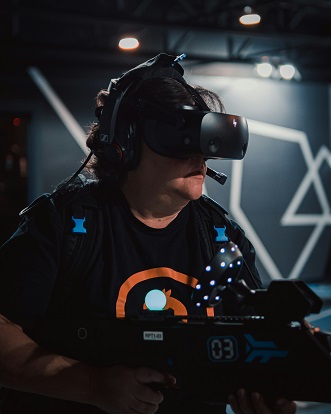
Virtual reality casinos represent a revolutionary evolution in the realm of online gaming. By combining the immersive experience of virtual reality (VR) technology with traditional casino elements, these platforms provide players with an unprecedented level of interaction and realism. Unlike conventional online casinos, which rely heavily on 2D interfaces, VR casinos envelop players in a 3D environment where they can move, interact, and socialize with other gamers in real time.
The development of virtual reality casinos stems from significant advancements in VR technology over the past decade. Technologies such as head-mounted displays and motion-sensing controllers create realistic, fully interactive gaming environments. Leading companies in the gaming industry are now investing heavily in VR to enhance user experiences. Players can engage in a variety of casino games, from poker to blackjack, in environments that simulate the ambience of attending a physical casino.
VR casinos differ markedly from their traditional online counterparts in several ways. Firstly, the social aspect is dramatically enhanced; participants can interact with other players and dealers through avatars, leading to a more lively atmosphere. Secondly, the use of VR technology allows for more complex gameplay mechanics and environments, providing users with a visually stunning experience that feels genuine and engaging. Furthermore, VR casinos often incorporate features such as realistic sound effects and immersive visual storytelling, elevating the player’s overall experience beyond what is typically available in the average online casino.
As we look toward the future of virtual reality casinos, the potential for further innovations appears boundless. With ongoing advancements in technology and increased accessibility to VR equipment, the next few years could witness significant growth in the popularity and diversity of VR casino offerings. This introduction sets the stage for exploring how the integration of virtual reality will shape the future landscape of online gambling.
Current Trends in Virtual Reality Gambling
The landscape of virtual reality (VR) gambling is rapidly evolving, with key trends shaping its current state. User engagement has seen a significant increase, with reports indicating that VR casino games have improved player retention rates by as much as 30% compared to traditional online casinos. This rise in engagement is primarily attributed to the immersive experiences that VR technology provides, allowing players to interact in a realistic environment, socialize with others, and feel as though they are part of a physical casino.
Moreover, there has been a noticeable shift in the types of games garnering popularity within virtual reality platforms. Traditional card games such as poker and blackjack continue to hold a strong presence; however, newer, more interactive offerings are emerging. Games incorporating elements of adventure and strategy, such as escape room experiences and themed gambling experiences, are attracting a diverse audience. This diversification caters not only to seasoned gamblers but also to those who might engage with casinos in a more recreational manner.
Currently, several VR casino platforms are leading the market, such as VR Casino, Decentraland, and AltspaceVR. These platforms are at the forefront of delivering high-quality virtual sites where players can enjoy various gambling experiences, complete with realistic graphics and engaging gameplay. Integration of blockchain technology is also becoming more prevalent, enhancing security and transparency in transactions, which is a crucial aspect for many players. As these platforms continue to evolve, they are investing heavily in technology to improve graphics, interactive features, and overall user experiences, making virtual reality gambling increasingly appealing.
Technological Innovations Driving VR Casinos
Advancements in technology are significantly enhancing the virtual reality (VR) casino experience, poised to reshape the online gambling industry. One of the primary drivers of this transformation is hardware improvement. Modern VR headsets, such as the Oculus Quest and HTC Vive, offer higher resolutions, better field-of-view, and improved motion tracking features. These enhancements facilitate a more immersive experience, allowing players to feel as though they are walking through a real casino. As the VR hardware continues to evolve, it promises to make virtual environments increasingly indistinguishable from physical locations.
In conjunction with hardware advancements, software developments are also playing a crucial role in refining the VR casino experience. Game developers are focusing on creating realistic virtual environments that replicate the ambiance of traditional casinos while integrating cutting-edge graphical elements. Enhanced audio-visual effects boost immersion, while intuitive interfaces allow players to navigate seamlessly within the virtual realms. Moreover, the adoption of high-definition graphics is enabling the creation of intricate game designs that captivate users in ways previously unattainable in conventional online casinos.
Furthermore, the integration of artificial intelligence (AI) and blockchain technology is revolutionizing how virtual casinos operate. AI can analyze player behaviors and preferences, enabling the personalization of gaming experiences and targeted promotions that resonate more with users. Meanwhile, blockchain technology ensures transparency and security, allowing for trustworthy transactions and fair play. It fosters an environment where players can enjoy both security and accountability without the fear of fraud. The combination of AI and blockchain is paving the way for safer, more engaging virtual gaming experiences that are likely to attract a broader audience to VR casinos.
User Experience and Immersion in VR Casinos
Virtual reality (VR) has significantly transformed the user experience in online gambling, providing a unique blend of immersion, interaction, and social engagement that sets it apart from traditional online casinos. By simulating real-life environments and offering an interactive platform, VR casinos immerse players in a virtual world that mimics the excitement and ambiance of physical gambling establishments.
One of the primary aspects of the user experience in VR casinos is the heightened sense of immersion. Unlike conventional online gambling where users typically engage with 2D interfaces, VR technology allows players to experience a 3D environment that feels more realistic and engaging. This level of immersion captivates users, making them feel as if they are actually present in the casino. Many VR casinos offer meticulously designed virtual spaces that replicate the characteristics of famous gaming locations, enhancing the overall gambling experience.
Interaction is another critical component where VR excels. Players can not only engage with the games but also with other avatars representing fellow gamblers in the virtual casino. This social aspect fosters a sense of community that isolates traditional online platforms struggle to replicate. Gamblers can chat, compete, and celebrate wins together, making the experience more enjoyable and satisfying. Additionally, the inclusion of interactive elements, such as customizable avatars and the ability to physically interact with game mechanics (like tossing dice or placing chips), enriches the gameplay.
Moreover, VR casinos can adapt to individual user preferences, providing a tailored experience that enhances user satisfaction. Personalized game selection, along with immersive soundscapes and visually appealing graphics, contributes to a captivating gaming atmosphere. This combination of factors signifies a monumental shift in how online gambling experiences are conceived, pushing the boundaries of engagement and enjoyment.
Challenges Faced by Virtual Reality Casinos
Virtual reality (VR) casinos represent a rapidly evolving segment in the gaming industry, but they are not without their challenges and limitations. One of the primary hurdles is the high cost of entry for both developers and players. The technology required to create immersive VR experiences, including headsets and gaming systems, can be prohibitively expensive for many potential users. This significant investment often translates to a limited customer base, which can impede the widespread adoption of virtual reality casinos.
Accessibility is another critical challenge confronting VR casino operators. While the technology is advancing, not everyone has the means to access high-end VR devices or a stable internet connection necessary to utilize these platforms effectively. Furthermore, there may be physical impediments for users with disabilities, which could exclude a segment of players from enjoying the virtual casino experience. Addressing these accessibility issues is essential for fostering an inclusive environment in the VR gaming space.
Moreover, concerns related to regulation and safety loom large over the future of virtual reality casinos. As the online gambling landscape is already subject to stringent laws designed to protect players, integrating VR further complicates the regulatory framework. Ensuring compliance with existing gambling laws, while also addressing new challenges unique to the VR experience, can be a daunting task for operators. Additionally, safety concerns regarding user data protection and the potential for gambling addiction in the immersive environment of VR casinos must be addressed. These challenges require careful consideration and innovation to create a sustainable and responsible virtual gambling ecosystem.
The Role of Social Interaction in VR Gambling
In the rapidly evolving landscape of virtual reality (VR) casinos, the element of social interaction plays a pivotal role in enhancing the overall gambling experience. Traditional online casinos often lack the immersive community feel that physical establishments offer. However, VR casinos are uniquely positioned to bridge this gap by fostering a robust sense of community among players. Users can engage in live, interactive environments that simulate real-life social dynamics, allowing them to share experiences and build connections in ways that online gaming has previously struggled to achieve.
The integration of multiplayer options is central to cultivating this social interaction. Platforms allow groups of friends to gather in virtual spaces, creating a familiar atmosphere reminiscent of visiting a land-based casino. Players can chat, interact, and gamble together in real-time, benefiting from shared excitement and camaraderie. This ability to engage with others not only makes the gaming experience more enjoyable but also has psychological benefits, such as reducing feelings of isolation and encouraging responsible gaming habits.
Additionally, VR technology provides users with immersive social environments where they can enjoy activities beyond gambling. For instance, players can attend virtual events, take part in tournaments, or even engage in casual conversations at themed lounges. This versatility enhances customer retention by transforming the gaming experience into a multifaceted, social endeavor rather than a solitary activity. The fostering of friendships and community support within VR gambling spaces further emphasizes that social interaction is a cornerstone of this technology’s appeal.
In summary, the role of social interaction in virtual reality casinos is multifaceted, promoting a sense of community through multiplayer options and immersive environments. VR enhances not only the gambling experience but also the social connections that players form, ultimately redefining how individuals engage with digital gaming platforms.
Predicted Future Developments in VR Casinos
The realm of virtual reality (VR) casinos is on the brink of transformative advancements that could redefine online gambling experiences. One of the most anticipated developments is the evolution of VR hardware, which is expected to become more sophisticated and accessible. With advancements in graphics processing and display technology, VR headsets will likely deliver more immersive environments, enhancing sensory experiences for users. As prices for these devices decline, broader adoption can be expected, significantly expanding the user base of VR casinos.
In conjunction with hardware improvements, software innovations will play a critical role in shaping the future of VR casinos. The integration of artificial intelligence (AI) and machine learning may lead to more personalized gaming experiences. Gamblers could expect tailored game recommendations and customized interactions based on their preferences and behaviors. Additionally, the simulation of real-life casino environments will continue to evolve, providing players with more realistic interactions with dealers and fellow gamblers, thereby bridging the gap between physical and virtual gaming.
Furthermore, consumer behavior is likely to shift as players become more accustomed to virtual environments. The growing popularity of multiplayer experiences in gaming could influence how VR casinos operate, promoting social interactions among users. Gamblers may seek not just solitary play but also community engagement, leading to the development of collaborative game formats and community-driven events within virtual casinos.
The evolving landscape of online gambling regulations will also impact the future of VR casinos. As governments and regulatory bodies establish new frameworks for managing online gaming, VR casinos will need to adapt to comply with these changes. This may include enhanced security measures, responsible gaming practices, and age verification processes, ensuring that VR casinos remain safe and accessible to all users.
Legal and Regulatory Landscape for VR Casinos
The evolution of virtual reality (VR) casinos brings forth a unique set of legal and regulatory challenges that differ from traditional online gambling platforms. As VR technology advances, the current legal framework often struggles to keep pace with such rapid innovation. A key area of concern is the licensing requirements for virtual casinos, which vary significantly across jurisdictions. Each region may have its own established set of rules regarding who can operate a gambling platform, further complicating the regulatory landscape.
In many countries, online gambling is subject to strict regulations that dictate aspects such as age restrictions, player protections, and responsible gambling measures. However, VR casinos introduce additional dimensions, especially concerning user experience and immersive environments that could amplify risks of problem gambling. As a result, regulators are faced with the daunting task of ensuring that VR platforms are designed in a manner that prioritizes player safety while adhering to established gambling laws.
Moreover, the integration of blockchain technology in VR casinos presents new regulatory challenges. Blockchain may facilitate transparency and enhance security, yet it also raises concerns regarding the regulatory treatment of cryptocurrencies used for wagering. As the legal definition of gambling incorporates various forms of digital currencies, agencies will gradually need to update legislation to accommodate these changes.
The legislative landscape must evolve to address the increasingly blurred lines between gaming and gambling, particularly as VR experiences become more immersive. Policymakers are prompted to engage with technology experts and stakeholders in the gambling industry to foster a regulatory environment that encourages innovation while safeguarding consumer interests. In conclusion, the legal and regulatory landscape for VR casinos remains under development, requiring ongoing collaboration among governments, technology providers, and the gambling sector to ensure a balanced approach conducive to fair and responsible gaming.
Conclusion: The Future Outlook for Virtual Reality Casinos
As the gaming industry continues to evolve, virtual reality (VR) casinos stand at the forefront of a revolution that promises to redefine the gambling experience. Throughout this discussion, we have explored how cutting-edge technology integrates immersive environments with traditional casino elements, thereby creating a unique and engaging platform for players. The shift from physical to virtual venues signifies not just a trend, but a fundamental transformation in how we perceive gambling.
The potential for VR casinos to enhance player engagement is considerable. Features such as realistic graphics, interactive games, and social interactions via avatars can replicate the essence of a physical casino while providing flexibility and convenience. Furthermore, as internet connectivity and VR technology advances, players worldwide will be able to access these virtual gaming experiences seamlessly, making them more widely available than ever before.
Moreover, the ongoing development of regulatory frameworks surrounding online gambling will ensure that virtual reality casinos can operate within safe and fair boundaries, further legitimizing them in the eyes of new and seasoned gamblers alike. The emphasis on security, privacy, and responsible gaming practices is crucial, both to attract new users and to maintain the trust of existing players.
In conclusion, virtual reality casinos are not merely a passing phase but a significant evolution in the gaming landscape. As technology continues to advance, they will likely expand in complexity and popularity, intertwining seamlessly with advancements in augmented reality, artificial intelligence, and mobile gaming. The future outlook for virtual reality casinos suggests a robust place in the gambling industry, indicating that they will be a major player in shaping the gambling experiences of tomorrow.