

Casino signage systems play an important role in how modern casino buildings communicate with visitors. From entrance displays to digital information screens, these systems help people navigate large entertainment spaces. They also support branding, safety, accessibility, and daily operations. However, there is much more behind casino signage than bright lights and decorative displays.
A well-designed signage system combines visual communication, technology, and building design. Every sign has a purpose, whether it provides directions, identifies a facility, or communicates important safety information. Modern casinos increasingly use digital displays alongside traditional signs to keep information consistent and easy to update.
Understanding casino signage systems offers a closer look at how large entertainment venues organize information. This article explores their main components, different types, design principles, technical requirements, and future developments. It also explains why clear signage matters to both visitors and facility managers.
What Are Casino Signage Systems?
Casino signage systems are collections of physical and digital signs used throughout a casino property. They communicate directions, identify locations, display information, and support the building’s visual identity. These systems may include entrance signs, directional boards, electronic displays, and emergency notices. Each component contributes to a more organized environment.
Unlike a single decorative sign, a complete signage system follows an established communication structure. Signs are positioned according to visitor movement, building layout, and operational requirements. Their designs often use consistent fonts, colors, symbols, and terminology. This consistency makes information easier to recognize across different areas.
Modern casino environments can include gaming floors, restaurants, hotels, theaters, and parking facilities. Visitors need clear information to move between these spaces without unnecessary confusion. An organized signage network helps connect different facilities while supporting the overall appearance of the property. It also improves communication between building operators and visitors.
Why Signage Systems Matter in Casino Environments
Large casino properties can be difficult to navigate, especially for first-time visitors. Multiple entrances, extensive corridors, and connected entertainment facilities create complex layouts. Directional signs help people locate essential destinations without repeatedly asking staff for assistance. This improves convenience and makes the property easier to understand.
Signage also supports operational efficiency by communicating information consistently. A clearly marked facility reduces confusion about where different services are located. Employees can spend less time answering basic directional questions and more time handling their responsibilities. Well-organized signs therefore benefit both visitors and facility operations.
Another important function involves safety and accessibility. Emergency exits, evacuation routes, accessible entrances, and restricted areas require clear identification. These signs must remain understandable in different lighting and environmental conditions. Proper placement and maintenance help ensure that important information is visible when needed.
Different Types of Casino Signage Systems
Casino properties use several categories of signs to address different communication needs. Permanent architectural signs identify buildings, entrances, facilities, and designated areas. Directional signs guide visitors through the property using arrows, labels, and recognizable symbols. Together, these elements establish the foundation of an effective wayfinding system.
Digital signage provides a flexible alternative to fixed printed displays. Electronic screens can communicate schedules, venue announcements, facility updates, and other changing information. Content managers can revise messages without physically replacing the sign. This makes digital displays particularly useful in large properties with frequent operational changes.
Safety and regulatory signs serve a different purpose from decorative or promotional displays. They communicate warnings, restrictions, evacuation information, and accessibility details. Their designs often need to follow relevant laws and recognized standards. Unlike marketing signs, their primary objective is clarity, compliance, and public protection.
Digital Casino Signage and How It Works
Digital casino signage uses electronic displays to communicate information throughout a property. Typical installations include LED panels, LCD screens, and large video walls. These displays are connected to media players or integrated control systems that manage their content. The exact configuration depends on the property’s size and technical requirements.
A central content management system often controls multiple displays across a venue. Authorized staff can schedule messages, update information, and organize content for specific locations. For example, a restaurant display may show opening hours while a theater screen presents upcoming events. Central management helps maintain consistent communication without requiring separate manual updates.
Digital systems also require reliable supporting infrastructure. Network connections, electrical power, display controllers, and monitoring software may all be involved. Poor connectivity or equipment failures can interrupt scheduled content. Regular maintenance and appropriate backup procedures help keep essential information available.
The Role of LED Displays in Casino Signage
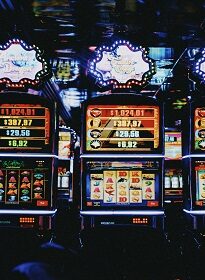
LED displays are widely used in large entertainment environments because they can produce bright, visible images. They are suitable for entrance installations, architectural displays, and expansive interior video walls. Their modular construction also allows designers to create different screen sizes and shapes. This flexibility supports a range of building designs.
Display quality depends on several technical factors, including pixel pitch, brightness, resolution, and viewing distance. A screen viewed from nearby generally requires different specifications than one installed high above a large open area. Choosing suitable equipment helps maintain readability. Excessive brightness, however, can create glare and visual discomfort.
LED systems also require attention to heat, power consumption, and long-term maintenance. Large installations may use considerable electrical resources depending on their configuration and operating schedule. Efficient hardware and sensible brightness settings can reduce unnecessary energy use. Maintenance planning is equally important because damaged modules may affect the appearance of the entire display.
Wayfinding Signs and Visitor Navigation
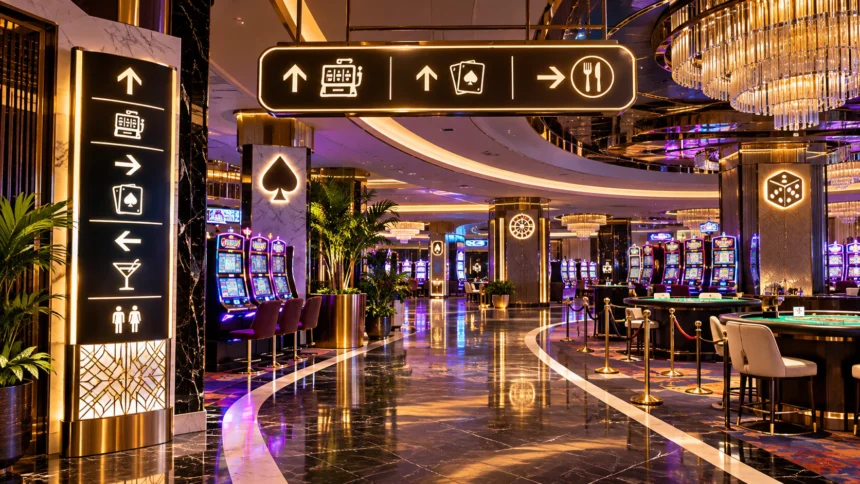
Wayfinding signage helps visitors understand where they are and how to reach their destination. In a casino property, this may involve identifying hotel elevators, restrooms, restaurants, parking areas, and public exits. The signs should communicate directions without requiring lengthy explanations. Clear navigation is particularly valuable in large, unfamiliar buildings.
Good wayfinding begins with understanding how people move through a space. Designers identify important decision points such as entrances, corridor intersections, and elevator lobbies. Signs are then positioned where visitors are most likely to need guidance. This approach is more effective than placing signs randomly throughout a building.
Consistency improves navigation because familiar symbols and design patterns become easier to recognize. Directional arrows should follow a logical structure, while destination names should remain consistent across locations. Contradictory signs can create confusion even when individual displays are readable. Regular reviews help identify missing or outdated directional information.
How Casino Signage Supports Brand Identity
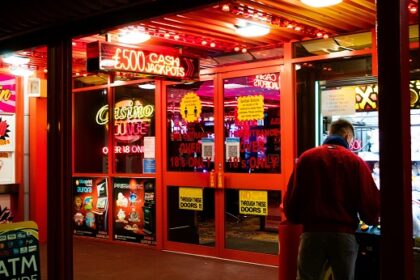
Signage contributes to the visual identity of a casino property by reinforcing its architectural style. Colors, typography, materials, and lighting can reflect the venue’s broader design theme. A modern entertainment complex may use minimalist illuminated signs, while a traditional venue may favor decorative architectural elements. These decisions influence how visitors perceive the building.
Brand consistency is especially important when a property includes several connected facilities. Restaurants, theaters, hotels, and shared public spaces may have individual identities. A coordinated signage framework can accommodate these differences while maintaining a recognizable overall appearance. This creates visual continuity without making every sign identical.
However, branding should not interfere with the practical purpose of signs. Decorative fonts or unusual color combinations can reduce readability when used excessively. Directional and safety information must remain easy to understand. Successful signage design balances visual identity with clear communication and accessibility.
Casino Signage Design Principles
Effective signage design starts with readability. Fonts should be easy to recognize, and text should be large enough for the intended viewing distance. Strong contrast between letters and backgrounds helps people identify information quickly. Designers must also consider lighting conditions that may affect visibility throughout the day.
Visual hierarchy determines which information receives the most attention. Important directions and facility names generally need greater prominence than secondary details. Too much text can overwhelm readers and make signs less useful. A clear hierarchy allows people to locate essential information without carefully studying every element.
Placement is another major consideration. A sign may have excellent typography but still fail if furniture, columns, or decorations block it. Designers should evaluate sightlines, pedestrian movement, mounting heights, and nearby visual distractions. These factors help determine whether a sign performs its intended function.
Digital Content Management in Casino Signage
Digital signage content management systems allow facility operators to organize messages across multiple screens. They typically provide tools for scheduling, publishing, and monitoring displayed material. Centralized management reduces the need to update each screen individually. It also helps ensure that information remains consistent across different sections of a property.
Content scheduling is useful when information changes throughout the day. Displays can present restaurant operating hours, transportation notices, event schedules, or temporary facility announcements. Some systems support different content for different locations. This allows communication to remain relevant without requiring a completely separate management platform.
Access control is important because unauthorized changes could result in inaccurate or inappropriate information. Modern systems may support staff permissions, activity records, and approval procedures. These features make it easier to manage responsibilities. They also help facility teams investigate errors and maintain reliable communication.
Interactive Kiosks and Touchscreen Signage
Interactive kiosks provide information through touchscreens rather than fixed messages. Visitors can explore building directories, search for facilities, or view maps of the property. These systems are often installed near entrances, elevators, and major public areas. Their interactive features can offer more detailed guidance than a traditional directional sign.
An effective kiosk interface should be simple to understand. Large navigation controls, readable labels, and logical menus help users locate information. Complicated screens can discourage interaction, particularly when visitors are unfamiliar with the building. Clear instructions and accessible layouts improve usability.
Interactive signage also creates additional maintenance responsibilities. Touchscreens require cleaning, software updates, and monitoring for technical problems. Public-facing systems should avoid collecting unnecessary personal information. Security controls and accessible alternative signs are important because not every visitor can or wants to use a touchscreen.
Accessibility Standards in Casino Signage
Accessible signage helps people with different physical, visual, and communication needs navigate public environments. Important features may include readable typography, suitable contrast, tactile lettering, and Braille where required. Accessible signs should also be positioned at appropriate heights. The exact requirements depend on applicable building codes and accessibility regulations.
Visual accessibility involves more than choosing large text. Lighting reflections, decorative backgrounds, and poor color contrast can make signs difficult to interpret. Designers should consider how different viewing conditions affect readability. Recognizable symbols and consistent layouts can make information easier to understand.
Accessibility also extends to digital signage and interactive kiosks. Screen interfaces may need accessible controls, suitable text sizes, and alternatives to touch-only interaction. Information should not depend exclusively on color or animation. Inclusive signage design helps more visitors access essential services independently.
Safety and Emergency Signage in Casinos
Safety signs communicate information that may be essential during emergencies. Exit markers, evacuation instructions, fire equipment labels, and restricted-area notices are common examples. These signs must remain recognizable in potentially stressful situations. Their design and installation should follow applicable safety standards rather than decorative preferences.
Emergency signage should be coordinated with the building’s overall safety plan. Directional information must reflect actual exit routes and accessible evacuation arrangements. Changes to the floor plan can make older signs inaccurate. Routine inspections help ensure that displayed information still matches the building layout.
Digital displays can supplement safety communication by presenting urgent notices. However, they should not automatically replace dedicated emergency signs or approved life-safety systems. Power failures and network problems may affect ordinary screens. Critical safety information requires systems appropriate to the relevant regulatory requirements.
Common Challenges in Casino Signage Installation
Installing casino signage can involve complex technical and architectural decisions. Large displays may require structural support, electrical connections, and dedicated network infrastructure. Their placement must also account for viewing angles and surrounding building features. Early coordination between designers, contractors, and facility managers can reduce installation problems.
Lighting presents another common challenge. Decorative illumination may create glare that makes nearby signs difficult to read. Large digital displays can also compete with essential directional information for visual attention. Careful brightness control and appropriate spacing help reduce unnecessary visual conflict.
Operational disruptions must also be considered during installation or replacement projects. Work in busy public areas may affect pedestrian routes and access to facilities. Temporary signs can help communicate changes during construction. Effective planning keeps important services accessible while improvements are completed.
Maintenance and Performance of Casino Signage Systems
Regular maintenance helps signage systems remain accurate, safe, and visually consistent. Physical signs may experience wear, fading, loose fittings, or lighting problems. Digital screens can develop hardware faults, software issues, or communication failures. Routine inspections allow facility teams to identify problems before they become widespread.
Performance can be evaluated by examining whether visitors understand the information being presented. Frequent directional questions may indicate that a particular sign is missing or unclear. Staff observations and accessibility reviews can provide useful feedback. This information helps managers prioritize practical improvements rather than focusing only on appearance.
Digital systems also benefit from structured technical monitoring. Equipment status, connection failures, and content errors can be tracked through compatible management software. Keeping software current and restricting unauthorized access reduces operational vulnerabilities. A clear maintenance schedule supports reliable performance throughout the system’s service life.
Energy Efficiency and Sustainable Casino Signage
Energy efficiency has become an important consideration in modern building systems. Illuminated signs and electronic displays consume electricity during operation. Their environmental impact depends on equipment efficiency, screen size, brightness, and operating hours. Choosing appropriate technology can help reduce unnecessary consumption.
Automatic brightness controls can adjust display output according to surrounding lighting conditions. Scheduling systems can also reduce illumination when certain areas are not in use, provided safety requirements remain satisfied. These measures may lower operating costs and extend equipment life. However, actual savings depend on the installation and operating environment.
Sustainability also involves equipment durability and responsible replacement. Modular displays may allow individual damaged components to be repaired instead of replacing entire installations. Durable sign materials can reduce frequent replacement needs. Long-term maintenance and appropriate electronic waste handling are important parts of a responsible signage strategy.
The Future of Casino Signage Technology
Casino signage technology continues to develop alongside wider changes in digital communication. Higher-resolution displays, improved control systems, and more efficient hardware are expanding design possibilities. Some facilities are exploring integrated platforms that connect signage with building management information. These developments may make communication systems easier to coordinate.
Artificial intelligence may support future signage operations through automated monitoring and content organization. For example, software could identify malfunctioning displays or detect inconsistencies in published information. Such applications would still require human oversight and appropriate security controls. Automated decisions should not compromise accuracy, accessibility, or privacy.
Future developments may also place greater emphasis on inclusive design and energy efficiency. Clear interfaces, adaptable display settings, and better integration with public information systems can improve the visitor experience. The most useful innovations will be those that solve real communication problems. Technology should strengthen the purpose of signage rather than distract from it.
Conclusion
Casino signage systems are essential components of modern entertainment properties. They support navigation, safety, accessibility, building identity, and operational communication. From traditional architectural signs to advanced digital displays, each element serves a specific purpose. A coordinated approach makes complex spaces easier to understand.
Effective signage depends on more than appearance or technical sophistication. Readable information, logical placement, appropriate hardware, and reliable maintenance are equally important. Digital tools can simplify updates, while consistent design helps visitors recognize important messages. Safety and accessibility requirements should remain central throughout the planning process.
As signage technology evolves, casino properties will have more opportunities to improve communication and facility management. Interactive displays, centralized software, and efficient lighting systems can provide practical benefits when implemented carefully. Ultimately, the value of a casino signage system comes from how clearly and reliably it serves the people using the building.
Frequently Asked Questions
What is a casino signage system?
A casino signage system is a coordinated network of physical and digital signs used throughout a casino property. It provides directions, identifies facilities, communicates important information, and supports safety, accessibility, and branding.
What types of digital signage are used in casinos?
Common types include LED video walls, LCD information screens, digital directories, and interactive kiosks. These displays can communicate event schedules, venue information, directions, and operational announcements across different areas of a property.
How does digital casino signage work?
Digital casino signage generally connects electronic displays to media players and content management software. Authorized staff can publish, schedule, and update information remotely, while network connections and monitoring systems support reliable operation.
Why is wayfinding signage important in casinos?
Wayfinding signs help visitors navigate large and complex properties. Clear directions to entrances, exits, restaurants, restrooms, and other facilities reduce confusion and improve accessibility for people unfamiliar with the building.
What makes a casino signage system effective?
An effective system combines readable designs, consistent symbols, logical placement, accessible information, and reliable maintenance. Digital technology can support these features, but clear communication and compliance with applicable safety requirements remain essential.