


What Are Casino Game Soundtracks?
Casino game soundtracks are the music, melodies, and audio effects used to create atmosphere in casino-themed games and entertainment. These sounds can include background music, electronic tones, mechanical noises, and short musical cues. Over time, casino audio has evolved from simple mechanical sounds into sophisticated digital soundscapes designed to complement different gaming environments.
Traditional casino machines produced sounds through physical mechanisms, including spinning reels, bells, and moving components. Modern digital games use recorded music, synthesized effects, and interactive audio systems that respond to events on the screen. This transformation reflects broader changes in technology, game development, and entertainment design.
Understanding casino game soundtracks provides an interesting perspective on how music and sound influence entertainment experiences. Their history connects mechanical inventions, electronic gaming, popular music, and modern digital production. Exploring these changes reveals how audio design has become an important part of casino-themed entertainment and its cultural identity.
The Early History of Casino Game Sounds
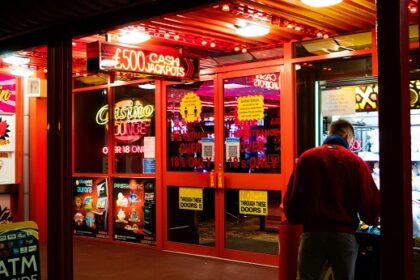
The earliest casino gaming machines relied primarily on mechanical components rather than recorded music. Traditional slot machines produced clicking, spinning, and ringing sounds as their internal mechanisms operated. These noises were functional results of machine construction, although they eventually became recognizable elements of casino entertainment.
Bells were especially important in early mechanical gaming machines because they could signal particular machine events. The sharp ringing sound was easy to recognize in busy environments. Over time, audiences began associating these mechanical effects with the broader sound of casino floors and coin-operated entertainment.
As gambling machines developed during the twentieth century, manufacturers introduced additional sound features to distinguish their products. Mechanical noises gradually became part of the machine’s identity rather than remaining purely functional. This early history laid the foundation for the more elaborate audio systems that appeared with electronic gaming technology.
How Casino Soundtracks Evolved Over Time
The development of electronic gaming technology changed how casino machines produced and controlled sound. Instead of relying entirely on mechanical movement, manufacturers could generate tones through electronic circuits. This allowed designers to introduce more varied audio signals and create recognizable sounds for different machine functions.
During the later twentieth century, video-based gaming machines expanded the possibilities for music and sound effects. Digital technology made it possible to include short melodies, simulated instrument sounds, and themed audio sequences. Casino sound design gradually became more closely connected with visual presentation and the overall entertainment experience.
Modern casino-themed games can feature professionally produced background music, layered effects, and adaptive audio systems. These elements may change according to the game’s presentation or selected features. The transition from mechanical sounds to digital compositions demonstrates how technological advances have shaped the history of casino gaming entertainment.
The Role of Music in Traditional Casino Environments
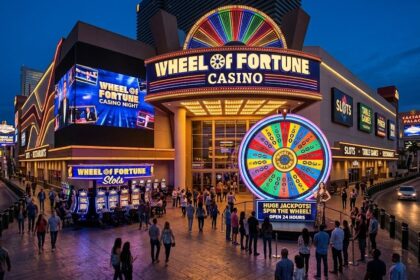
Traditional casino environments have long used music to establish atmosphere and complement their physical surroundings. Depending on the location and period, visitors might encounter live performances, recorded background music, or sounds produced by gaming machines. These elements contribute to the distinctive audio environment associated with casinos.
In earlier entertainment venues, live bands and lounge performers were sometimes important parts of the broader visitor experience. Musical performances provided entertainment beyond the gaming floor and helped create a recognizable venue identity. This connection between casinos and popular music became particularly visible in major entertainment destinations during the twentieth century.
Recorded music eventually offered more flexible options for maintaining a consistent atmosphere across different spaces. Venues could select musical styles that complemented restaurants, lounges, and other entertainment areas. However, background music and individual game soundtracks serve different purposes, even when both contribute to the overall soundscape.
The Famous Sounds of Classic Slot Machines
Classic slot machines are strongly associated with mechanical reels, metallic clicks, and ringing bells. These sounds became familiar through decades of casino entertainment and later appeared in films, television programs, and arcade-style games. Their distinctive qualities helped establish an audio identity that remains recognizable even outside traditional casinos.
The sound of a spinning reel, for example, reflects the mechanical operation of older machines. Bell sounds were often associated with particular results or machine functions. Together, these audio elements created a sequence of recognizable signals without requiring the complex musical arrangements found in modern digital games.
Contemporary casino-themed games sometimes recreate these familiar effects to produce a nostalgic atmosphere. Digital sound designers may use recordings or synthesized versions of traditional mechanical noises. This combination of historical references and modern production shows how older casino sounds continue influencing entertainment design.
The Introduction of Electronic Casino Music
Electronic casino machines introduced new opportunities for producing sounds that were difficult to achieve through mechanical components. Early electronic systems could generate simple tones and repeating patterns using dedicated circuitry. These sounds helped distinguish different machine events while reflecting the technological limitations of their era.
As electronic sound technology improved, manufacturers gained greater control over pitch, rhythm, and audio sequences. Short musical phrases could accompany visual changes on gaming screens. Although these early arrangements were relatively simple, they represented an important transition toward more creative and recognizable sound design.
Electronic music also influenced the broader entertainment industry during this period, including arcade games and home video games. Similar technological developments shaped casino gaming audio. The growing use of synthesized sounds helped establish a musical vocabulary that continues appearing in retro-themed digital entertainment.
How Digital Technology Changed Casino Game Soundtracks
Digital audio technology allowed game developers to move beyond simple electronic tones and mechanical effects. Recorded instruments, synthesized music, and detailed sound effects could be stored and played through increasingly capable hardware. These improvements made casino-themed games more visually and sonically elaborate.
Modern audio production tools allow designers to combine multiple sound layers into coordinated sequences. Background music may continue while separate effects accompany animations, menus, and other game events. This layered approach creates a more complete audio environment without requiring every sound to be produced by a physical mechanism.
Digital technology also allows audio assets to be edited, replaced, and adapted during development. Composers can experiment with different instruments, musical styles, and production techniques. As a result, contemporary casino game soundtracks may resemble music produced for other forms of interactive entertainment.
Common Music Styles Used in Casino Games
Casino-themed entertainment uses a wide range of musical styles depending on the intended atmosphere and visual design. Jazz, electronic music, orchestral arrangements, and ambient compositions are common possibilities. Each style creates a different impression and can support particular themes or historical settings.
Jazz-inspired music is often associated with traditional casino imagery, especially entertainment venues featuring lounges and live performances. Electronic music may complement futuristic or technology-focused designs. Orchestral arrangements can create cinematic moods when a game includes fantasy environments, historical themes, or elaborate visual presentations.
There is no single musical style that defines every casino game soundtrack. Developers choose audio according to creative direction, technical requirements, and the intended audience. Understanding these stylistic differences helps explain why two casino-themed games can sound completely different despite sharing similar basic entertainment concepts.
Jazz Music and Its Connection to Casino Culture
Jazz has a long cultural association with nightlife, entertainment venues, and sophisticated social settings. Its expressive rhythms, instrumental arrangements, and improvisational traditions have influenced many forms of popular entertainment. Casino-themed films and games sometimes use jazz-inspired music to evoke classic lounge environments.
Piano, saxophone, trumpet, and double bass are instruments frequently associated with traditional jazz arrangements. Their distinctive sounds can create a relaxed or lively atmosphere depending on the composition. In casino-themed media, these musical elements often support visual references to historic hotels, evening entertainment, and elegant interiors.
However, the relationship between jazz and casino culture is primarily part of broader entertainment history rather than a fixed musical rule. Many casino venues feature other genres, and modern games often use completely different styles. Jazz remains influential because it provides a recognizable cultural reference within certain casino-themed productions.
Electronic Dance Music in Modern Casino Games
Electronic dance music has influenced modern interactive entertainment through its rhythmic patterns and digitally produced sounds. Some casino-themed games use electronic arrangements to complement animated graphics and contemporary visual designs. These compositions may feature synthesized melodies, electronic percussion, and layered sound effects.
Electronic music provides designers with considerable flexibility because instruments and effects can be created or modified digitally. A soundtrack might use subtle atmospheric sounds or more energetic musical passages depending on the creative concept. This versatility makes electronic production useful across numerous types of digital entertainment.
Modern casino soundtracks may also combine electronic music with orchestral or acoustic elements. These blended arrangements create distinctive textures while supporting different visual themes. Their popularity reflects broader developments in game music production rather than an exclusive connection between electronic music and casino gaming.
How Sound Effects Differ From Background Music
Background music and sound effects serve different functions within casino game audio design. Background music generally establishes atmosphere over a longer period, while sound effects provide shorter signals associated with specific events. Both contribute to the overall experience but are created and managed in different ways.
A game might use continuous instrumental music beneath its visual interface while separate sounds accompany menu selections or screen transitions. These effects help identify changes without requiring lengthy explanations. In some games, musical cues and sound effects overlap, creating a coordinated sequence of audio and visual information.
Sound designers must balance these elements so that important signals remain understandable. Excessively loud effects can interfere with background music or make the overall audio environment uncomfortable. Effective production considers clarity, consistency, and the relationship between individual sounds and the complete soundtrack.
The Psychology of Casino Game Soundtracks
Music and sound can influence how people perceive atmosphere, excitement, and time during interactive entertainment. Different tempos, instrument choices, and sound levels may affect emotional responses. Casino game developers use audio as part of their broader presentation, although the exact effects vary between individuals and situations.
Research into gambling-related sound has examined how certain audio cues may affect attention and perceptions of outcomes. For example, celebratory sounds can make a game event feel more significant than the numerical result alone. Understanding these effects is important when evaluating how entertainment design communicates information to audiences.
Soundtracks can also influence the perceived identity of a game through familiar musical associations. However, audio does not change the underlying probabilities or mathematical structure of a gambling product. Recognizing the difference between emotional presentation and actual outcomes supports a more accurate understanding of casino-themed media.
Why Casino Games Use Celebratory Sound Effects
Celebratory sound effects are commonly used in many forms of digital entertainment to highlight particular events. Casino-themed games may include bells, musical phrases, or bright electronic sounds alongside visual animations. These effects provide immediate feedback and contribute to the presentation of the game.
However, celebratory audio does not necessarily indicate that a player has achieved an overall financial gain. Some gambling products may use positive sounds for outcomes that return less than the original amount wagered. This distinction is important because emotional feedback can differ from the actual financial result.
Researchers sometimes describe these situations as losses disguised as wins when audiovisual celebrations accompany outcomes that do not recover the full wager. The phenomenon illustrates why sound design deserves careful consideration. Clear communication of numerical outcomes is important for preventing misleading impressions created by celebratory effects.
The Influence of Video Game Music on Casino Soundtracks
Video games have played an important role in the development of interactive music and sound design. Techniques involving looping tracks, layered audio, and event-based musical cues became increasingly sophisticated as gaming technology advanced. Similar production methods can appear in modern casino-themed digital games.
Both industries use sound to support visual storytelling, interface navigation, and audience engagement. A short musical phrase might indicate a completed action, while ambient music establishes the setting. These shared techniques reflect the broader evolution of interactive entertainment technology.
However, casino games and conventional video games may have different objectives, structures, and regulatory requirements. Their audio systems should therefore be understood within their specific contexts. The technical similarities demonstrate how developments in digital entertainment can influence soundtrack production across different categories.
Casino Game Soundtracks in Movies and Television
Movies and television programs have helped establish recognizable musical associations with casino environments. Soundtracks may use dramatic orchestral passages, jazz arrangements, or suspenseful electronic music during gambling scenes. These choices help communicate the intended mood and support the story being presented.
Casino-related films such as Casino Royale and Ocean’s Eleven demonstrate how music can contribute to the atmosphere surrounding gambling-themed narratives. Their soundtracks support character development, pacing, and cinematic presentation. However, film music is designed for storytelling rather than accurately reproducing every sound found in real casino environments.
Television programs also use familiar casino audio effects to establish settings quickly. Ringing bells, electronic tones, and background chatter can communicate the location without extensive explanation. These techniques have reinforced recognizable casino sound conventions across generations of popular media.
Mobile Casino Games and Modern Audio Design
Mobile technology has changed how digital game soundtracks are produced and experienced. Developers must consider smaller speakers, headphones, varying device capabilities, and different listening environments. Audio that works well on a large entertainment system may require adjustments for smartphones and tablets.
Mobile casino-themed games may use compressed audio files, short musical loops, and carefully balanced sound effects. These techniques help manage storage requirements while maintaining consistent playback. Designers may also provide separate settings for background music and sound effects so users can control their listening experience.
Accessibility is another important consideration for mobile audio design. Visual indicators can communicate information that might otherwise depend entirely on sound. Offering adjustable volume settings and clear interface feedback helps create more usable experiences for people with different hearing needs or listening preferences.
Soundtracks in Online Casino-Themed Entertainment
Online casino-themed entertainment uses digital audio to create recognizable visual and musical identities across different platforms. Soundtracks may include background compositions, theme-specific effects, and familiar mechanical references. Their design often reflects the same principles used in other forms of interactive digital media.
Browser-based games present particular technical considerations because sound must operate across different devices and software environments. Developers may optimize audio formats and playback systems to reduce interruptions. They also need to account for situations where browsers restrict automatic sound playback until a user interacts with the page.
Online audio design continues to evolve alongside web technology and digital production tools. However, soundtrack quality should be evaluated separately from claims about gambling outcomes or financial rewards. Attractive sound design does not provide evidence that a gambling product is safer, more predictable, or financially beneficial.
The Role of Sound Design in Casino Game Branding
Sound design can help establish a recognizable identity for a game or entertainment product. Distinctive melodies, interface tones, and musical themes may become associated with a particular visual presentation. This process resembles audio branding used in television, advertising, and other digital products.
A consistent audio identity can make different parts of an entertainment experience feel connected. Developers may use related instruments, musical phrases, or production techniques across menus and animations. These choices support creative consistency and help distinguish one themed product from another.
Branding through sound also raises questions about how audio influences consumer perceptions. Familiar musical signals can create emotional associations even when they communicate little factual information. Understanding this relationship helps audiences recognize that soundtrack design serves artistic and commercial purposes rather than explaining the mathematical characteristics of gambling products.
How Casino Soundtracks Have Changed From Past to Present
Historically, casino machine sounds were closely connected to the physical operation of mechanical equipment. Bells, reels, and coins created recognizable audio patterns without requiring dedicated musical compositions. These sounds later became familiar cultural symbols through films, television, and arcade-inspired entertainment.
Electronic systems introduced synthesized tones and programmed sound sequences, creating greater flexibility for designers. Digital audio technology then enabled detailed recordings, layered sound effects, and original musical compositions. Each technological stage expanded the creative possibilities available to casino-themed entertainment developers.
Today, modern game soundtracks may combine nostalgic mechanical effects with contemporary electronic music and interactive audio. This blending of past and present creates recognizable connections with casino history while supporting newer visual designs. The evolution demonstrates how sound technology and entertainment culture influence one another over time.
The Future of Casino Game Soundtracks
The future of casino game soundtracks will likely reflect broader developments in interactive audio technology. Advanced sound engines can already support layered compositions and changes based on events within digital environments. Future improvements may provide more flexible production tools and greater control over how audio is presented.
Artificial intelligence may also influence soundtrack production by assisting with audio editing, sound classification, and the creation of original musical ideas. However, AI-generated audio raises important questions involving creative ownership, copyright, and transparency. Human composers and sound designers remain valuable for artistic direction, quality control, and responsible production decisions.
Accessibility and user control may become increasingly important parts of audio design. Adjustable sound settings, clear visual alternatives, and comfortable listening experiences can support diverse audiences. Responsible development should also consider how emotionally intense sound effects may influence perceptions of gambling-related outcomes.
Conclusion
Casino game soundtracks have developed from simple mechanical noises into complex digital audio experiences. Early slot machines relied on physical bells and reels, while electronic systems introduced synthesized tones and programmed melodies. Modern casino-themed games use layered music, sound effects, and interactive production techniques to establish distinctive entertainment environments.
The history of casino audio also reflects wider changes in popular music, film, and video game technology. Jazz, electronic compositions, and orchestral arrangements have all contributed to different casino-themed soundscapes. These musical choices influence atmosphere and presentation, but they do not alter the mathematical outcomes of gambling activities.
Understanding the past and present of casino soundtracks provides valuable insight into entertainment design and media culture. It also highlights the importance of distinguishing emotional audio cues from factual information. As technology continues advancing, thoughtful sound design can combine creativity, accessibility, and responsible communication across interactive entertainment.
Frequently Asked Questions
What are casino game soundtracks?
Casino game soundtracks are background music, melodies, and sound effects used in casino-themed entertainment. They help establish atmosphere, communicate game events, and create a recognizable audio identity.
What sounds did early slot machines make?
Early mechanical slot machines produced clicking reels, ringing bells, and other noises created by their moving components. These sounds became recognizable features of traditional casino entertainment.
What music is commonly used in modern casino games?
Modern casino-themed games may feature electronic music, jazz-inspired arrangements, orchestral compositions, and ambient soundtracks. Musical styles vary according to the game’s visual theme and creative direction.
Do casino game soundtracks affect winning chances?
No, music and sound effects do not change the mathematical probability of gambling outcomes. However, audio can influence emotional responses and perceptions of excitement during an entertainment experience.
How have casino soundtracks changed over time?
Casino audio has evolved from mechanical bells and reel sounds to electronic tones, digital music, and layered interactive soundtracks. Modern technology allows more detailed compositions and flexible sound design.