

Early casino machines played an important role in the development of mechanical entertainment and the modern gaming industry. Long before digital screens and computerized systems, these devices relied on gears, springs, rotating drums, and carefully designed mechanical components. Their history began in the late nineteenth century, when inventors introduced coin-operated machines that combined engineering with games of chance.
The history of early casino machines includes surprising details about their original designs, unusual prizes, and technological innovations. Some machines resembled poker games, while others were developed to dispense products or encourage purchases in local businesses. Understanding these devices offers an interesting glimpse into the development of automated entertainment. This article explores five lesser-known facts about early casino machines, their inventors, and their lasting historical influence.
What Were Early Casino Machines?
Early casino machines were mechanical devices designed to provide coin-operated games of chance or related forms of entertainment. They appeared during the late nineteenth century, before electronic gaming technology became available. Most featured rotating drums, mechanical reels, or other moving components. Their operation depended on physical mechanisms rather than computer programs, touchscreens, or digital displays.
These devices were commonly associated with saloons, cigar shops, amusement establishments, and other commercial locations. Their designs varied considerably, with some resembling poker games and others featuring spinning symbols. Many machines were housed inside wooden cabinets decorated with metal components. Their appearance reflected the craftsmanship and manufacturing techniques available during that period.
The development of mechanical casino machines also reflected broader changes in industrial technology. Improvements in metalworking, clockmaking, and precision engineering made increasingly sophisticated mechanisms possible. Inventors experimented with different methods of displaying results and delivering rewards. These developments eventually influenced the recognizable three-reel machines that became associated with traditional casino gaming.
Fact 1: The First Casino Machines Resembled Poker Games
One lesser-known fact about early casino machines is that some of the earliest widely recognized designs were based on poker. During the early 1890s, the New York company Sittman and Pitt developed a coin-operated machine featuring rotating drums. Instead of displaying familiar fruit symbols, the device showed playing-card faces. Its design reflected the popularity of poker in American social establishments.
The machine used five rotating drums displaying a selection of playing-card symbols. When the drums stopped, the visible cards formed a poker-style combination. Unlike later machines, it did not include the same automatic coin-payout mechanism associated with classic slot machines. Rewards, where available, were generally handled by the establishment operating the device.
This early poker-based design demonstrates how mechanical gaming developed from familiar card-game traditions. Rather than introducing an entirely unfamiliar concept, inventors adapted recognizable forms of entertainment into automated equipment. The design also shows why identifying one definitive first slot machine can be difficult. Different historians distinguish between early coin-operated poker devices and later automatic-payout machines.
Fact 2: Charles Fey Helped Transform Mechanical Gaming
Charles Fey, a German-born mechanic working in San Francisco, became one of the most influential figures in early slot machine development. During the 1890s, he experimented with mechanical gaming devices that simplified earlier designs. His best-known invention was the Liberty Bell machine. It helped establish the three-reel configuration that later became strongly associated with mechanical slot machines.
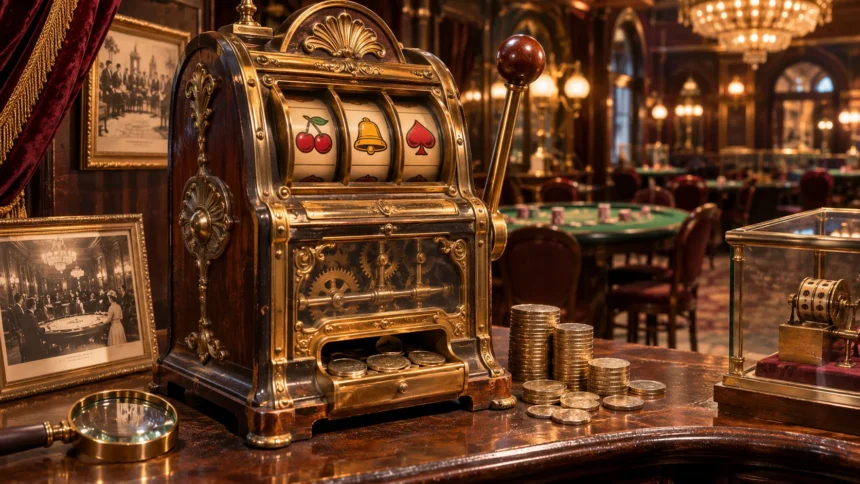
The Liberty Bell used three rotating reels decorated with a small collection of recognizable symbols. These included playing-card suits, horseshoes, and a bell that inspired the machine’s name. Its simplified arrangement made automatic mechanical payouts more practical than earlier complicated card-based designs. Although historical accounts differ on precise development dates, the machine emerged during the 1890s.
Fey’s contribution was important because it brought together compact mechanical construction and an automated reward mechanism. His work influenced later manufacturers that developed similar devices with modified appearances and internal components. The three-reel format became a recognizable feature of traditional machines. This historical design influenced gaming equipment long after the original mechanical technology became outdated.
Fact 3: Early Casino Machines Sometimes Offered Unusual Prizes
Another surprising fact is that early casino-style machines did not always provide direct cash rewards. Some devices were associated with prizes such as cigars, drinks, or merchandise supplied by the business operating them. These arrangements were especially common among certain coin-operated trade stimulators. Their purpose was often connected to attracting customer attention and encouraging commercial activity.
Trade stimulators were small mechanical devices commonly found in shops and hospitality establishments. Some displayed cards, numbers, or other symbols that determined whether a customer received a prize. Rewards were often provided by an attendant rather than automatically released by the machine. This arrangement distinguished many trade stimulators from later automatic-payout gaming devices.
The connection between merchandise and mechanical games also reflected the changing legal environment surrounding gambling. Manufacturers and business owners sometimes presented machines as promotional or vending equipment rather than conventional gambling devices. However, these distinctions did not always satisfy regulators or prevent legal restrictions. The history reveals how commercial entertainment, product promotion, and gambling frequently overlapped.
Fact 4: Fruit Symbols Had a Connection to Chewing Gum
The familiar cherry, lemon, orange, and other fruit symbols associated with classic slot machines have an interesting historical background. Early twentieth-century manufacturers experimented with machines connected to flavored chewing gum and other merchandise. Fruit illustrations helped represent different gum flavors. These designs contributed to the visual style later associated with mechanical gaming machines.
Companies such as Mills Novelty helped popularize fruit-themed mechanical devices during this period. Some machines combined spinning symbols with vending functions or merchandise-related rewards. The fruit images provided a recognizable visual connection to products being promoted or dispensed. This design approach was partly influenced by commercial opportunities and efforts to navigate restrictions on gambling equipment.
Another recognizable symbol associated with these machines was the BAR design. Its historical roots are connected to branding used on Bell-Fruit Gum products and related equipment. Over time, fruit and BAR symbols remained recognizable even when machines no longer served their original vending-related purposes. Their survival illustrates how early commercial graphics influenced later gaming imagery.
Fact 5: Early Casino Machines Were Entirely Mechanical
Modern casino machines often use electronic systems, but their earliest predecessors operated through physical mechanical components. Springs, gears, levers, drums, and carefully arranged metal parts controlled their movements. The machines did not rely on computer chips or digital software. Their complexity came from the engineering required to coordinate moving components and display outcomes.
Mechanical designers faced several challenges when developing reliable coin-operated equipment. Internal parts needed to operate repeatedly while maintaining consistent movement and resisting ordinary wear. Manufacturers experimented with stronger materials, improved mechanisms, and more efficient cabinet designs. These engineering improvements helped machines become more practical for commercial use in different establishments.
The mechanical nature of early machines also makes surviving examples interesting historical artifacts. Their internal construction reveals how engineers solved problems before electronic controls became common. Collectors and museums can examine gears, springs, and other components to understand manufacturing techniques from that era. These devices represent an important chapter in the history of automated machinery.
How Early Casino Machines Became Popular in America
Early casino machines became increasingly visible in American commercial establishments during the late nineteenth and early twentieth centuries. Saloons, cigar stores, and amusement businesses were among the places where mechanical gaming devices appeared. Their compact designs allowed them to fit into relatively small spaces. Businesses viewed some of these machines as an additional form of entertainment.
The growth of coin-operated technology also influenced their commercial development. During this period, automatic vending machines, mechanical music players, and amusement devices became more common. Consumers were becoming familiar with machines that performed actions after receiving a coin. Casino-style equipment developed within this broader culture of mechanical automation and commercial entertainment.
As interest in coin-operated devices expanded, manufacturers began producing different models and decorative styles. Companies competed through mechanical innovations, distinctive cabinet designs, and new visual features. However, public attitudes toward gambling remained divided, and legal restrictions affected where devices could operate. Their popularity therefore developed alongside ongoing debate about regulation and public behavior.
The Role of Inventors and Manufacturers in Early Machine Design
The development of early casino machines involved several inventors and manufacturers rather than one individual or company. Charles Fey became especially influential through his work on automatic-payout mechanisms. Other manufacturers developed card-based machines, trade stimulators, and modified reel designs. These efforts collectively shaped the evolution of mechanical gaming technology.
Manufacturers such as Mills Novelty became important names in the history of coin-operated equipment. Their product lines included different forms of amusement machines, vending devices, and mechanical gaming equipment. Companies experimented with cabinet materials, decorative graphics, and internal mechanisms. Each improvement reflected changing customer interests, manufacturing capabilities, and commercial requirements.
The industry also benefited from advances occurring in unrelated mechanical fields. Knowledge from clockmaking, metalworking, and automatic vending contributed to the development of more sophisticated devices. Engineers applied principles involving springs, gears, and controlled movement to create compact equipment. This exchange of technical ideas helped accelerate the wider development of automated entertainment technology.
Why Early Casino Machines Faced Legal Restrictions
The history of early casino machines is closely connected to changing gambling laws and public attitudes. During the late nineteenth and early twentieth centuries, many American communities introduced restrictions on gambling activities. Mechanical devices offering chance-based rewards often became subjects of legal debate. Regulations varied considerably between states, cities, and different periods.
Some manufacturers developed machines described as trade stimulators, vending devices, or amusement equipment. Their designs sometimes included merchandise-related functions that distinguished them from direct cash-payout machines. However, these features did not automatically make the devices lawful. Authorities examined their operation, purpose, and local legal requirements when deciding how they should be classified.
Legal restrictions affected both the distribution and design of mechanical gaming equipment. Certain devices were removed from businesses, while others became subjects of court disputes or regulatory investigations. The resulting history provides insight into the relationship between technology, commercial activity, and public policy. It also explains why surviving machines sometimes have unusual features or complicated manufacturing histories.
How Early Casino Machines Differed from Modern Machines
Early mechanical machines were considerably simpler in appearance and functionality than modern electronic casino equipment. They generally featured physical reels or drums, limited displays, and manually operated mechanisms. Their internal systems depended on mechanical engineering rather than digital processors. Modern machines use electronic components, software, and graphical interfaces to control many functions.
The visual presentation also changed significantly over time. Early cabinets often featured wood, cast metal, engraved details, and relatively simple symbols. Later machines incorporated electrical lighting, improved displays, and eventually electronic screens. These developments reflected broader advances in manufacturing, electronics, and industrial design rather than changes limited to one entertainment industry.
Another major difference concerns how historical machines and modern gaming systems are regulated and examined. Contemporary electronic gaming devices may undergo specialized technical testing under applicable regulatory frameworks. Earlier mechanical devices operated in a much less standardized technological environment. Comparing the two reveals how engineering practices and oversight developed across different generations of automated equipment.
Early Casino Machines as Historical Collectibles
Today, surviving early casino machines are valued by museums, historians, and collectors interested in mechanical technology. Their historical importance extends beyond gambling because they demonstrate older manufacturing and automation techniques. Original cabinets, mechanisms, and decorative features provide evidence of how these devices were constructed. Well-preserved examples can reveal important details about commercial culture during their period.
Historical machines may be displayed in museums alongside other coin-operated inventions. Exhibitions often examine the relationship between gaming devices, vending machines, and amusement technology. Visitors can learn about their mechanical construction and the social environments in which they appeared. These collections help preserve equipment that might otherwise disappear through damage, modification, or disposal.
Preservation can be challenging because antique machines contain numerous mechanical parts that deteriorate over time. Rust, missing components, damaged woodwork, and previous alterations can complicate restoration. Conservators must balance mechanical preservation with the importance of retaining original materials. Careful documentation helps ensure these artifacts remain useful for historical study and educational exhibitions.
What Early Casino Machines Reveal About Technology and Society
Early casino machines provide an interesting example of how mechanical inventions influenced everyday commercial environments. Their development occurred during a period of rapid industrial growth and increasing interest in automation. Businesses adopted coin-operated equipment for entertainment, vending, and promotional activities. These machines demonstrate how technology gradually became more visible in ordinary public spaces.
Their history also shows that technical innovation does not develop separately from social expectations and legal restrictions. Inventors created new mechanisms while manufacturers responded to changing regulations and commercial conditions. Public opinions about chance-based entertainment influenced where machines could appear. These interactions shaped both the physical designs and the broader development of mechanical gaming equipment.
Studying early casino machines can therefore provide lessons about engineering, business history, and technological change. Their evolution illustrates how simple mechanical ideas may develop into more complex industrial systems. It also highlights the importance of understanding inventions within their historical environments. The machines remain valuable examples of the relationship between innovation, regulation, and popular entertainment.
Conclusion
Early casino machines represent an important stage in the development of mechanical entertainment and automated technology. Their origins included poker-inspired devices, merchandise-based rewards, and innovative mechanical designs. Inventors such as Charles Fey helped introduce features that influenced later generations of gaming equipment. These developments demonstrate how late nineteenth-century engineering shaped familiar modern technologies.
The five lesser-known facts reveal that the earliest machines were far more varied than many people realize. Some featured playing cards, others were connected to chewing gum, and many used complicated mechanical systems. Legal restrictions also influenced their design and commercial use. Understanding these details provides a more accurate picture of their historical significance.
Today, antique casino machines remain interesting subjects for museums, collectors, and technology historians. Their surviving mechanisms illustrate the creativity and practical engineering skills of early manufacturers. They also provide insight into changing commercial traditions and public attitudes toward gambling. Exploring their history helps explain how mechanical entertainment developed alongside broader industrial and technological progress.
Frequently Asked Questions (FAQs)
What was the first casino machine?
Early coin-operated poker machines appeared during the 1890s, including designs associated with Sittman and Pitt. Charles Fey’s Liberty Bell later became famous for introducing the influential three-reel automatic-payout design.
Who invented the first automatic slot machine?
Charles Fey is widely credited with developing the pioneering three-reel automatic-payout slot machine during the 1890s. His Liberty Bell became an important milestone in the history of mechanical gaming equipment.
Why did early casino machines use fruit symbols?
Fruit symbols became popular through early twentieth-century machines associated with flavored chewing gum and vending products. Their recognizable designs eventually became traditional visual elements of mechanical slot machines.
Did early casino machines always pay money?
No, some early machines offered merchandise-related rewards such as cigars, drinks, or other products instead of direct cash payouts. Certain devices required an attendant to provide the reward manually.
Are early casino machines still preserved in museums?
Yes, museums and historical collections preserve antique mechanical gaming devices as examples of early automation. These exhibits document their construction, manufacturing history, commercial uses, and relationship to changing gambling regulations.