


Online Pokies in New Zealand
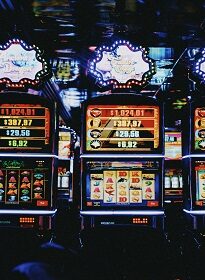
New Zealanders call a slot machine a pokie. The word carries across to the digital version without change. Online pokies now run on five reels, cluster grids and cascading layouts rather than the three mechanical drums of the pub machine.
The underlying maths stays consistent across formats. A random number generator picks an outcome the moment you press spin. Everything on screen after that presents the result.
Reels, Rows and Ways to Win
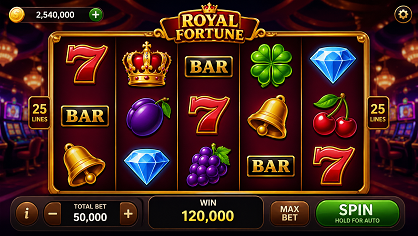
A classic layout runs three reels and one payline. Modern builds run five reels and three or four rows. The grid size sets the number of possible combinations.
Payline games award wins on set patterns across the reels. A 20-line game checks twenty specific paths. Ways-to-win games drop the fixed patterns entirely. A five-reel, three-row grid produces 243 ways under that system.
Reading the Numbers
Every pokie publishes figures in its rules panel. Four of them decide how the game behaves.
| Term | What It Tells You |
| Return to player | Long-run percentage returned across all play |
| Volatility | Win frequency against win size |
| Hit frequency | Share of spins producing any return |
| Maximum win | Top payout as a multiple of the stake |
Volatility in Practice
Two games at the same return figure feel completely different. Volatility explains the gap.
A low volatility pokie returns small amounts on roughly one spin in three. The balance drifts rather than swings. A high-volatility title pays on one spin in five or six and pays far more when it lands. Dry runs of thirty spins happen routinely on those.
Feature Types
Bonus rounds carry most of the payout potential on modern pokies. Several formats appear across the market.
- Free spin rounds triggered by scatter symbols, often 8 to 20 spins;
- Multiplier features that increase wins by 2x to 100x;
- Expanding wild symbols that cover a full reel;
- Hold and respin rounds with locked symbols;
- Cascading reels that remove winning symbols and drop new ones;
- Jackpot wheels awarding fixed or progressive prizes;
Bonus Buy Options
Some pokies sell direct entry to the feature round. The price runs 50 to 100 times the base stake. A $0.20 spin therefore costs $10 to $20 as a buy.
The return figure usually shifts slightly on a buy. Rules panels list both numbers separately. Bonus buys carry high variance by nature. Several regulators now restrict the feature, so availability varies by market.
Jackpot Structures
Progressive prizes build from a share of every stake across a network. Pools reach seven figures on the largest games. Three structures cover the market.
Fixed Jackpots
The prize sits at a set figure and resets after a win. Amounts run modest, often 1,000 to 10,000 times the stake. Odds stay published in the rules panel.
Local Progressives
The pool builds from play at one operator only. Prizes reach five or six figures. Hit frequency runs higher than a network pool.
Network Progressives
Dozens of sites feed one pool. Prizes climb past $1 million on the biggest games. Many require a maximum bet for eligibility, which sits outside a small budget.
Stake Settings
Coin value and line count both feed the spin price. A $0.01 coin across 25 lines produces a $0.25 spin. The coin figure alone tells you nothing.
Titles with adjustable line counts allow a smaller total. Ten lines at $0.01 cost $0.10 a spin. The return percentage holds steady in almost every build. That single setting doubles or triples a session on the same balance.
Choosing a Title
A short check before the first spin saves money. Follow the steps below.
- Open the rules panel. Find the return figure and the volatility rating.
- Check the bet range. Note the minimum and maximum spin price.
- Read the feature trigger. Learn how many scatters start the bonus round.
- Set the line count. Reduce active lines where the game allows it.
- Decide a spin budget. Fix the number of spins before the first click.
FAQ
What does pokie mean?
The New Zealand and Australian term for a slot machine. The word applies equally to pub machines and online versions.
Where do I find the return figure?
In the rules or information panel inside the game. Most titles list it alongside the volatility rating and the maximum win.
Does volatility change the return?
No. Two games at 96% return the same over time. Volatility changes how that return arrives, in small frequent amounts or large rare ones.
What is a ways-to-win game?
A build with no fixed paylines. Matching symbols on adjacent reels pay regardless of position, which produces 243 or more winning combinations.
Are bonus buys worth the price?
They cost 50 to 100 times the stake and carry high variance. The return figure shifts slightly, and the rules panel lists it separately.
Do jackpots need a maximum bet?
Many network progressives do. The rules panel states the qualifying stake, which often sits well above a low-budget spin.