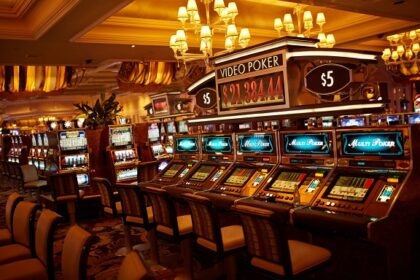



Casino facilities are complex commercial environments that require careful planning, regular maintenance, and effective operational management. From building safety and security systems to cleaning services and equipment maintenance, every department contributes to a safe and organized environment. Understanding casino facility management helps explain how these establishments maintain their buildings, manage daily operations, and meet applicable regulatory requirements.
Unlike many traditional commercial buildings, casino properties often contain multiple operational areas, including entertainment spaces, restaurants, hotels, offices, and technical facilities. Managing these environments requires coordination between maintenance teams, security professionals, cleaning staff, and operational managers. This guide explains the fundamentals of casino facility management, its responsibilities, common challenges, important technologies, and practical approaches to maintaining reliable operations.
What Is Casino Facility Management?
Casino facility management refers to the coordinated maintenance, operation, and supervision of the physical infrastructure within a casino property. It includes building maintenance, cleaning, utilities, safety systems, and environmental management. The main objective is to keep facilities functional, compliant, and comfortable while supporting the broader requirements of the organization.
Facility managers work with different departments to ensure that buildings, equipment, and essential services operate reliably. Their responsibilities may include managing contractors, scheduling inspections, overseeing repairs, and monitoring facility-related expenses. These activities help reduce unexpected disruptions while maintaining suitable conditions for employees, authorized visitors, and service providers.
Casino facility management is different from the direct administration of gambling activities. While casino operations oversee gaming-related services, facility management focuses primarily on the physical environment and supporting infrastructure. However, both functions require coordination because equipment failures, security concerns, or building problems can affect the organization’s overall operational performance.
Why Is Facility Management Important in Casinos?
Effective facility management helps casino properties maintain safe, organized, and reliable working environments. Buildings containing multiple public and private areas require continuous attention to maintenance, cleanliness, accessibility, and operational safety. Without coordinated management, minor infrastructure problems can develop into expensive repairs or cause unnecessary interruptions to essential services.
Another important benefit is protecting the condition and long-term value of physical assets. Heating systems, ventilation equipment, lighting installations, plumbing networks, and other building components require scheduled maintenance. Preventive planning can extend equipment service life and reduce the likelihood of unexpected failures that affect everyday operations.
Facility management also supports legal compliance and responsible business practices. Casino properties may be subject to building codes, fire safety requirements, accessibility standards, and industry-specific regulations. Maintaining accurate records, conducting inspections, and addressing identified hazards helps organizations meet their obligations while demonstrating a commitment to workplace and visitor safety.
Building Maintenance and Infrastructure Management
Building maintenance is one of the central responsibilities of casino facility management. Large properties contain electrical networks, plumbing systems, elevators, escalators, and structural components that require regular inspections. Facility teams monitor these systems to identify wear, damage, or performance problems before they create significant operational disruptions.
Preventive maintenance involves scheduling routine checks and servicing equipment according to manufacturer recommendations and applicable technical standards. For example, maintenance teams may inspect electrical distribution equipment, review plumbing systems, and evaluate the condition of building fixtures. These activities support reliable operations and reduce dependence on emergency repairs.
Facility managers must also maintain detailed information about equipment condition, maintenance history, and replacement needs. Digital maintenance systems can help organize work orders and monitor recurring problems. Clear documentation allows managers to identify aging infrastructure, prepare replacement budgets, and make informed decisions about long-term property maintenance.
Security Systems and Workplace Safety
Security is an important consideration for any large commercial property, particularly facilities that manage substantial visitor traffic and sensitive operational areas. Casino buildings commonly use surveillance infrastructure, controlled entrances, and communication systems to support authorized security personnel. Facility managers help maintain the physical components of these systems while coordinating with security departments.
Workplace safety involves protecting employees, contractors, and authorized visitors from preventable hazards. Slip-resistant flooring, adequate lighting, clear walkways, and properly maintained equipment contribute to safer surroundings. Regular inspections help identify damaged surfaces, blocked exits, and other conditions that could increase the likelihood of accidents.
Facility management teams should establish clear procedures for reporting and responding to safety concerns. Employees need accessible methods for notifying maintenance personnel about damaged equipment or hazardous conditions. Collaboration between facility managers, security teams, and occupational safety professionals supports consistent prevention and timely corrective action throughout the property.
Fire Safety and Emergency Preparedness
Fire safety is a fundamental responsibility in casino facility management because large commercial buildings contain electrical equipment, public spaces, kitchens, and multiple operational areas. Fire detection systems, alarms, emergency lighting, and appropriate suppression equipment require regular inspection and maintenance. Facility managers must ensure these systems meet applicable safety requirements.
Emergency preparedness also involves maintaining evacuation routes, emergency exits, and accessible communication procedures. Staff should understand how to report emergencies and follow established building safety instructions. Regular training and appropriately designed drills can help employees respond more effectively when unusual or dangerous situations occur.
Casino properties may also need contingency plans for power failures, severe weather, water damage, and other disruptions. Coordinating with emergency services and qualified safety professionals supports responsible planning. Reviewing procedures after exercises or incidents helps organizations identify weaknesses and strengthen their ability to protect people and critical infrastructure.
Cleaning, Sanitation, and Environmental Quality
Cleaning and sanitation are essential for maintaining a comfortable and professional commercial environment. Casino properties may include dining facilities, restrooms, corridors, entertainment areas, and employee workspaces that require different cleaning procedures. Facility managers coordinate housekeeping schedules, equipment, and supplies to maintain appropriate cleanliness standards.
High-contact surfaces and shared facilities require particular attention because many people may use them throughout the day. Cleaning teams should follow suitable hygiene procedures and use products according to manufacturer instructions. Consistent supervision and quality checks help maintain standards without relying entirely on responses to visible cleanliness problems.
Indoor environmental quality is another important consideration, including air circulation, temperature, humidity, and odor management. Ventilation systems should be maintained according to relevant building and occupational health requirements. Creating healthier indoor conditions supports employee well-being and provides a more comfortable environment for people using the property.
Energy Management and Sustainable Operations
Casino properties can consume substantial energy because of lighting, air conditioning, ventilation, refrigeration, and other building systems. Managing energy efficiently helps reduce operating expenses and environmental impact. Facility managers can monitor consumption patterns to identify unnecessary usage and opportunities for practical improvements across different areas.
Energy-efficient lighting, automated building controls, and properly maintained heating and cooling systems can support lower electricity consumption. Replacing outdated equipment may provide additional benefits when supported by suitable financial analysis. However, improvements should maintain appropriate lighting, ventilation, accessibility, and safety rather than focusing exclusively on reducing utility costs.
Sustainable facility management also involves water conservation, responsible waste handling, and appropriate purchasing practices. Organizations can review plumbing efficiency, recycling arrangements, and maintenance materials to identify opportunities for improvement. Establishing measurable environmental goals helps businesses evaluate progress while balancing sustainability with essential operational requirements.
Technology and Smart Facility Management Systems
Modern technology plays an increasingly important role in maintaining large commercial properties. Computerized maintenance management systems, commonly called CMMS, help facility teams schedule inspections, manage work orders, and track equipment history. Centralizing this information can improve communication and reduce administrative difficulties associated with manual maintenance records.
Building management systems provide another useful technology for monitoring heating, ventilation, cooling, lighting, and selected electrical systems. Sensors can identify changes in operating conditions and help technicians recognize potential equipment problems. These tools support informed maintenance decisions, although qualified professionals remain necessary for inspections, repairs, and system oversight.
Data analysis can also help facility managers identify patterns in energy consumption, equipment failures, and maintenance expenses. For example, repeated service requests involving the same component may indicate a need for replacement. Using reliable operational information helps organizations plan resources more efficiently and improve long-term infrastructure performance.
Staff Coordination and Facility Management Responsibilities
Effective facility management depends on clear responsibilities and strong communication between employees and departments. Maintenance technicians, cleaning teams, security professionals, and external contractors often contribute to facility operations. Managers coordinate these activities to ensure essential tasks are completed safely, consistently, and according to established standards.
Training is particularly important because employees may encounter specialized equipment, hazardous conditions, or emergency situations. Workers should understand relevant procedures, reporting responsibilities, and safe equipment handling practices. Appropriate supervision and professional development help maintain service quality while reducing mistakes caused by unclear expectations or insufficient technical knowledge.
Staff coordination also involves scheduling work around operational needs and maintenance priorities. Some repairs can occur during quieter periods, while urgent safety problems require immediate attention regardless of normal schedules. Effective planning helps minimize unnecessary disruptions and ensures that critical maintenance responsibilities receive appropriate resources.
Budget Planning and Maintenance Cost Control
Facility management requires careful financial planning because building systems involve substantial installation, maintenance, and replacement costs. Managers must account for routine servicing, emergency repairs, contractor expenses, equipment purchases, and long-term infrastructure improvements. Creating realistic budgets helps organizations maintain essential services without relying on unpredictable spending decisions.
Preventive maintenance can support cost control by identifying small problems before they become more expensive failures. For example, servicing air-conditioning equipment regularly may reduce the likelihood of unexpected breakdowns. However, maintenance costs should be evaluated alongside equipment age, performance history, and replacement value to determine the most practical approach.
Facility managers can also use asset management records to estimate future expenses and establish replacement schedules. Reviewing contractor performance, energy consumption, and recurring repair costs provides useful financial information. These practices help organizations allocate budgets responsibly while maintaining suitable building conditions and operational reliability.
Common Challenges in Casino Facility Management
One common challenge is maintaining complex infrastructure across properties that may operate for extended hours. Essential services must remain available while maintenance teams complete inspections and repairs. Coordinating this work can be difficult when facilities contain numerous departments with different schedules, technical requirements, and operational priorities.
Aging equipment creates another challenge because older systems may require more frequent servicing or replacement parts. Facility managers must balance immediate repair needs with long-term infrastructure investment. Unexpected failures can also disrupt planning, making accurate maintenance records and emergency response procedures particularly valuable.
Regulatory requirements, staffing limitations, and rising utility expenses can further complicate facility operations. Organizations may need to update safety procedures, improve technical systems, or provide additional training as standards change. Regular assessments and clear communication help managers recognize these challenges early and respond through practical planning rather than temporary solutions.
Best Practices for Effective Casino Facility Management
A strong facility management program begins with a complete inventory of important building assets and supporting systems. Managers should identify equipment condition, maintenance requirements, and potential operational risks. Organizing this information provides a foundation for scheduled inspections, realistic budgeting, and more consistent maintenance decisions.
The next step involves establishing clear procedures for preventive maintenance, safety reporting, and contractor coordination. Employees should understand how to report problems and which teams are responsible for resolving them. Performance measures such as maintenance completion rates, equipment downtime, and recurring repair costs can help evaluate operational effectiveness.
Continuous improvement is also essential because building conditions, technologies, and business requirements change over time. Facility managers should review performance information, assess employee feedback, and update procedures when necessary. Combining preventive planning, responsible budgeting, staff training, and appropriate technology helps maintain safer, more reliable commercial facilities.
Conclusion
Casino facility management involves coordinating the physical infrastructure, maintenance activities, safety systems, and environmental conditions of casino properties. Its responsibilities extend across building operations, cleaning services, energy management, emergency preparedness, and technical equipment maintenance. Effective coordination helps organizations maintain functional facilities while meeting important operational and regulatory requirements.
Successful facility management depends on preventive maintenance, clear staff responsibilities, accurate documentation, and thoughtful financial planning. Modern maintenance software and building monitoring technologies can improve efficiency, but professional oversight remains essential. Organizations should also prioritize workplace safety, accessibility, environmental quality, and responsible infrastructure management when developing operational procedures.
Maintaining a large commercial property requires ongoing attention rather than occasional repairs. Regular inspections, employee training, and continuous performance reviews help identify problems before they become serious disruptions. By applying structured facility management practices, casino operators can support safer environments, protect valuable assets, and maintain more dependable day-to-day operations.
Frequently Asked Questions (FAQs)
What is casino facility management?
Casino facility management involves maintaining and supervising the physical infrastructure of casino properties. It includes building repairs, cleaning, security infrastructure, energy management, safety inspections, and coordination of essential facility services.
Why is facility management important in casinos?
Facility management helps casino properties maintain safe buildings, reliable equipment, clean environments, and appropriate regulatory compliance. It also supports cost control, preventive maintenance, and dependable operations across different departments.
What does a casino facility manager do?
A casino facility manager oversees building maintenance, contractor coordination, safety systems, utility management, and repair schedules. The role also involves budgeting, equipment inspections, and ensuring essential infrastructure operates reliably.
What technologies are used in casino facility management?
Common technologies include computerized maintenance management systems, building management systems, energy monitoring tools, and equipment sensors. These technologies help teams organize maintenance work, monitor performance, and identify potential infrastructure problems.
How can casino facilities reduce maintenance costs?
Facilities can reduce avoidable expenses through preventive maintenance, energy efficiency improvements, accurate asset records, and careful replacement planning. Regular inspections and performance reviews help identify unnecessary spending while maintaining important safety and reliability standards.