


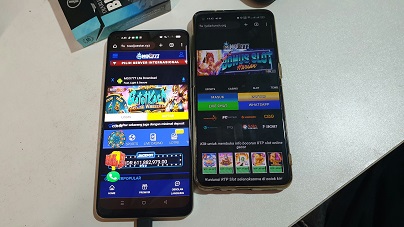
With the proliferation of online gaming, the casino landscape has transformed dramatically over the last decade. Players now have access to a plethora of options, catering to their preferences for both mobile and desktop platforms. This comprehensive comparison seeks to highlight the differences and similarities between mobile casinos and traditional desktop casinos, as both platforms offer unique experiences and features that appeal to a diverse range of users. The rise of mobile gaming can be attributed to the rapid advancement of technology and the widespread availability of smartphones and tablets. These devices empower players to engage with their favorite casino games anytime and anywhere, presenting an unprecedented level of convenience. Mobile casinos have gained immense popularity due to their user-friendly interfaces, optimized functionalities, and a growing library of games comparable to that offered by desktop casinos.
On the other hand, desktop casinos have long been considered the standard in online gaming. They typically provide a more immersive experience, due to larger display screens and enhanced processing power. This may result in improved graphics and sound quality, which can significantly enhance gameplay. Furthermore, desktop platforms often offer a more extensive selection of games, including titles that require higher computational resources, which may not be supported on mobile devices.
As the gaming world continues to evolve, it is important to consider how players adapt to these technological changes. The competition between mobile and desktop casinos is not merely about convenience or aesthetics; it reflects broader trends in user behavior and technological integration. Understanding these dynamics can help players make informed choices about which platform aligns best with their gaming habits and preferences.
User Experience: Mobile vs. Desktop
When evaluating the user experience between mobile and desktop casinos, several factors come into play, including ease of navigation, accessibility, and immersion. Mobile casinos have revolutionized the gambling landscape, allowing users to engage in their favorite games from virtually anywhere, thanks to the convenience of smartphones and tablets. This portability enables players to enjoy a seamless gaming experience during commutes or while on vacation, significantly enhancing accessibility compared to traditional desktop casinos, which usually require a fixed location.
In terms of interface design, mobile casinos have made significant strides to provide an optimized gaming environment. Mobile applications are often designed with touch-screen functionality in mind, ensuring that navigation is intuitive and straightforward. Players can swipe through games or use one-touch access to their preferred options, which may be slightly cumbersome on a desktop, where reliance on a mouse and keyboard may slow down the browsing mechanism. In addition, mobile casinos typically adapt their layout according to screen size, ensuring that gameplay remains fluid and engaging, whereas traditional desktop casinos might present more complex menus that require more clicks to access desired content.
Despite the advantages inherent in mobile gaming, desktop platforms still hold strong appeal. Many players appreciate the wider screen and enhanced graphical capabilities that desktop computers offer, providing a more immersive experience. The vast range of casino games often displayed on larger displays can make for a more engaging and visually stimulating experience. Moreover, many desktop platforms offer greater processing power, which can improve game performance and loading times, minimizing interruptions in gameplay.
Ultimately, the user experience in mobile versus desktop casinos varies depending on individual preferences. Each format has its strengths and weaknesses, and understanding these differences is crucial for players seeking the best possible casino experience tailored to their lifestyle.
Game Selection and Quality
When comparing mobile casinos with their desktop counterparts, the range of games available and the overall quality significantly influence player preference. Mobile casinos have evolved considerably in recent years, emerging as credible alternatives to traditional desktop platforms. Although many mobile casinos offer a wide selection of games, the overall variety often pales in comparison to that found on desktop versions.
Desktop casinos typically host an extensive repertoire of games, ranging from classic table games like poker and blackjack to an increasing number of innovative slots. These platforms benefit from higher processing power and larger screens, allowing for superior graphics, immersive sound effects, and more complex gameplay. This higher degree of visual fidelity and user experience often leads players to feel more engaged when playing on desktops.
Conversely, mobile casinos are designed to provide a more streamlined experience optimized for smaller screens. Many games have been adapted for touch controls, which introduces different gameplay dynamics and may limit the complexity of certain titles. However, mobile casinos have made significant strides in enhancing the graphics and quality of gameplay. Developers are increasingly releasing high-definition versions of popular casino games specifically for mobile devices, catering to the evolving demands of players who prefer gaming on the go.
Some mobile casinos have begun to offer a selection of exclusive games, leveraging the platform’s advantages and unique user interactions. Additionally, with advancements in technology, many mobile casino games now support features such as live dealer gaming that were once the domain of desktop casinos. This convergence highlights the ongoing development of mobile platforms as viable alternatives to traditional desktop gaming, with the promise of delivering enjoyable gaming experiences regardless of the medium chosen by players.
Accessibility and Convenience
The rise of mobile technology has significantly transformed the landscape of online gambling, leading to a notable shift from traditional desktop casinos to mobile casinos. Accessibility plays a pivotal role in this evolution, as mobile casinos allow players to enjoy their favorite games from virtually anywhere, enhancing the overall convenience of the gaming experience.
Mobile casinos are designed to be user-friendly, operating seamlessly on smartphones and tablets. This advancement offers players the flexibility to engage with a variety of games, such as slots, poker, and roulette, on the go. Whether waiting in line, commuting, or simply relaxing at home, players can easily access their accounts and start gaming within a matter of seconds. Such convenience is unmatched by desktop casinos, which typically require players to be seated at their computers.
Furthermore, mobile casinos leverage the capabilities of modern smartphones, incorporating responsive design and touch-screen interfaces that enhance gameplay. Players can enjoy quick navigation, instant loading times, and seamless interactions, making their gaming experience more enjoyable. Additionally, mobile casinos often provide notifications about promotions and updates, ensuring players stay informed without needing to log in regularly.
The increasing prevalence of high-speed mobile internet further amplifies the appeal of mobile casinos, as players can participate in live dealer games and stream high-quality graphics without interruptions. As a result, mobile technology has not only changed the way players access online casinos but has also introduced a new level of flexibility and engagement in the gaming experience.
In conclusion, the convenience and accessibility provided by mobile casinos have revolutionized how players interact with online gaming, making it easier than ever to enjoy their preferred games anytime and anywhere.
Bonuses and Promotions
When comparing mobile casinos to their desktop counterparts, one notable aspect to consider is the variety and structure of bonuses and promotions offered. Both platforms typically provide enticing incentives to attract new players and retain existing ones. However, there can be significant differences in how these promotions are structured and delivered.
Mobile casinos often provide unique bonuses tailored specifically to mobile users. These may include app-exclusive promotions, such as free spins or no-deposit bonuses that are only accessible via their mobile applications. Furthermore, mobile platforms frequently employ push notifications to inform players about time-sensitive promotions, ensuring players are engaged and rewarded for their activity on the go.
On the other hand, desktop casinos tend to offer a broader spectrum of bonuses, including extensive welcome packages that can cover multiple initial deposits. Additionally, many desktop platforms provide loyalty programs that reward players with points which can be redeemed for various perks, including cash bonuses, VIP services, or exclusive events. These loyalty programs often exhibit tiered levels, offering escalating rewards as players accumulate more points over time.
It’s important to note that while both mobile and desktop casinos prioritize customer engagement through promotions, the nature and frequency of these offers can differ significantly. Mobile casinos may focus on convenience and spontaneity, while desktop platforms may emphasize larger, more complex rewards aimed at encouraging longer play sessions.
In conclusion, while the core objective of both mobile and desktop casinos is to incentivize players through bonuses and promotions, the structure and delivery of these offers are often adapted to the unique characteristics of each platform, ultimately influencing player preferences and gambling choices.
Security and Fairness
When considering where to play, players often prioritize the security and fairness of online casinos, whether mobile or desktop. Both formats employ a variety of security measures to protect sensitive data and ensure a fair gaming experience.
Data protection is paramount in the online gambling industry. Mobile casinos commonly utilize advanced encryption technologies, such as SSL (Secure Socket Layer), to safeguard personal information and financial transactions. This level of encryption ensures that any data transmitted between the player’s device and the casino server remains secure and cannot be intercepted by malicious entities. Similarly, desktop casinos implement these robust security protocols to maintain user trust and protect players’ data.
Moreover, fairness in gaming is achieved through the use of Random Number Generators (RNGs), which are critical for both mobile and desktop casino games. RNGs ensure that game outcomes are random and unbiased, giving every player a fair chance of winning. Regulatory bodies often audit these technologies to certify that the RNGs used by online casinos meet the highest standards of fairness. It is essential for players to choose online casinos that are licensed and regulated by reputable authorities, as this further enhances trust in the platform.
In addition to encryption and fairness, players should also consider the measures taken by mobile and desktop casinos to foster responsible gaming. Features that allow players to set limits on their gambling activity or self-exclude from gaming altogether are indicators of a casino’s commitment to player protection. Overall, both mobile and desktop casinos emphasize security and fairness factors, ultimately influencing player trust and the decision-making process regarding where to play.
Social Interaction: Live Dealers and Community Features
In the evolving world of online gambling, social interaction has become a crucial aspect of enhancing the player experience, particularly in live dealer games. Both mobile and desktop casinos provide unique ways for players to engage socially, though the dynamics can vary significantly between the two platforms.
Live dealer games, a notable feature in both mobile and desktop casinos, offer players real-time interaction with professional dealers through video streaming. This immersive experience allows participants to feel as if they are in a physical casino. On desktop platforms, players often enjoy a larger screen, providing a more detailed view of the table and the dealer. This can enhance the interaction by allowing players to observe subtle dealer actions and table dynamics. However, mobile casinos have made significant advancements in delivering high-quality video streams and touch-friendly interfaces. These improvements have resulted in a commendable user experience, allowing for seamless engagement even when on the go.
Chat features are another essential component contributing to social interaction in online gambling. Both mobile and desktop platforms typically incorporate live chat options, enabling players to communicate with dealers and fellow participants during gameplay. While desktop users can easily engage in chat alongside their game screens, mobile users must navigate smaller screens. This could affect the ease of conversation; however, many mobile casinos are optimized to ensure that chat functionalities are accessible without hindering gameplay. Players can share experiences and strategies, enhancing the sense of community.
Overall, the degree of social interaction provided by mobile and desktop casinos offers players different yet complementary experiences. Mobile platforms enable convenience and accessibility, while desktops can enhance visual engagement and ease of communication. The choice between mobile and desktop ultimately depends on individual preferences, but both platforms strive to cultivate a vibrant community around live dealer games.
Conclusion: Which Platform is Right for You?
In the ongoing debate between mobile casinos and desktop casinos, it is essential to consider various factors that align with your gaming preferences and lifestyle. Both platforms offer unique advantages that cater to different types of players. Mobile casinos provide unmatched convenience, enabling users to play on-the-go, which is particularly beneficial for those with busy schedules or for individuals who prefer gaming during their daily commute. The accessibility of mobile casinos, coupled with their modern interfaces and a wide selection of games, makes this option appealing for players who enjoy flexibility.
On the other hand, desktop casinos offer a more immersive gaming experience, with larger screens and enhanced graphics. Gamers who prioritize technical performance may prefer desktop platforms due to their higher processing power and stability compared to mobile devices. Desktop casinos also typically provide a broader range of games and more extensive betting options, appealing to seasoned players who seek a more comprehensive gambling experience.
Ultimately, the decision between mobile and desktop casinos comes down to individual preferences. If you value portability and play in shorter sessions, mobile casinos could be the right fit for you. Conversely, if you wish to enjoy extended gaming sessions with advanced features, desktop casinos might be more suited to your needs. It is advisable to explore both platforms to determine which one aligns best with your habits and lifestyle. By assessing your priorities and preferences, you can make an informed decision and enhance your overall gaming experience.
Future Trends in Online Gaming
The online gaming industry is experiencing rapid evolution driven by technological advancements, significant shifts in consumer preferences, and an increasing demand for immersive experiences. One of the most significant trends is the continuous improvement of mobile technology. With smartphones becoming more powerful, they are capable of delivering high-quality graphics and seamless gameplay comparable to traditional desktop experiences. This transition not only makes gaming more accessible but also allows for real-time multiplayer interactions and enhanced social features, which are paramount in keeping players engaged.
Furthermore, augmented reality (AR) is poised to revolutionize the online gambling landscape. AR technology integrates digital content with the physical world, offering a unique and immersive experience that can bridge the gap between mobile and desktop gaming. For instance, players might soon find themselves engaging in virtual poker games where they can interact with digital avatars in a real-time 3D environment. This could create a compelling new form of online casino experience, enhancing user engagement significantly.
Additionally, the integration of blockchain technology is becoming prominent in online gaming. Offering transparency and security, blockchain can streamline transactions and bolster trust between casinos and players. Cryptocurrencies, being further embraced by numerous online casinos, not only facilitate fast transactions but also attract a tech-savvy audience looking for privacy and decentralized options.
The advent of 5G technology is another pivotal trend worth noting. With its expected roll-out, mobile gaming will undergo dramatic changes, resulting in reduced latency, higher speeds, and improved connectivity. This will significantly enhance the overall user experience, allowing for real-time betting and live dealer games. As these trends continue to unfold, both mobile and desktop online casinos will need to adapt to meet evolving customer expectations, ultimately shaping the future of the online gaming industry.