


Roulette Basics is a popular casino game that combines chance and strategy, captivating millions of players worldwide. At its core, the game consists of a spinning wheel and a small ball. Players place bets on where they believe the ball will land after the wheel stops spinning. To begin a game of roulette, players must first understand the essential mechanics and rules that govern the game.
The main objective in roulette is to predict the number or color on which the ball will land. Players can place various types of bets, including outside bets, which cover larger groups of numbers or colors, and inside bets, which offer a chance at larger payouts by covering fewer numbers. Each betting option has its own odds and payouts, making it essential for players to familiarize themselves with them to maximize their experience.
There are two primary variations of roulette American and European each with distinct features. The European version has 37 pockets on its wheel, numbered from 0 to 36, while the American variant includes an additional pocket marked as 00, bringing the total to 38. This extra pocket increases the house edge in American roulette, making it slightly less favorable to players compared to its European counterpart.
Understanding the significance of the wheel and the ball is crucial when playing roulette. The wheel’s design, with alternating red and black pockets, influences how the ball interacts with the wheel during a spin. The combination of physics and probability creates an unpredictable outcome, contributing to the allure of the game. Knowing these basics sets the stage for players who wish to explore various roulette systems and strategies in later sections of this guide.
The Most Popular Roulette Strategies
Roulette is one of the most captivating casino games, and various strategies have emerged over the years to enhance players’ chances of winning. Each system has its own philosophy, aiming to provide a framework for betting and win management.
The Martingale system is arguably the most recognized strategy among roulette players. It operates on a straightforward premise: players double their bet after every loss, intending to recoup previous losses with a single win. The goal here is to secure a profit equal to the initial stake. While this method may yield short-term gains in favorable sessions, its drawbacks include the risk of significant losses and limited betting caps at casinos, posing a challenge for long losing streaks.
Another popular approach is the Fibonacci sequence. This system is based on a mathematical sequence where each number is the sum of the two preceding ones. For roulette, players increase their bets following this sequence after a loss and revert two steps in the sequence after a win. The Fibonacci system aims to create a more systematic approach to betting while spreading risk. However, similar to the Martingale, high stakes can accumulate quickly, and players may need a substantial bankroll to withstand extended losing periods.
Lastly, the D’Alembert strategy presents a milder alternative to the Martingale. Players raise their wagers by one unit after a loss and decrease it by one after a win. The goal is to achieve balance and minimize losses during negative streaks. While this strategy may appear less aggressive, it can also lead to stagnant results, particularly during long sessions of unpredictability. Understanding the nuances of each method allows players to make informed decisions about which strategy best suits their unique style and risk tolerance.
Analyzing the Effectiveness of Roulette Systems
Roulette systems have become a topic of significant interest among players seeking a strategic edge in the casino environment. Numerous systems have emerged, each claiming to improve the chances of winning. To properly evaluate their effectiveness, it is essential to analyze both statistical data and real-life experiences from players who have engaged with these strategies.
Case studies prominently highlight the varied outcomes associated with different roulette systems. Some players have reported success using popular systems such as the Martingale or Fibonacci strategies. These individuals often recount how adhering to strict betting patterns allowed them to capitalize on short-term winning streaks. For instance, a player applying the Martingale system might double their bet following a loss, resulting in recouped losses once a win is eventually achieved. However, this approach also presents significant risks when an extended losing streak occurs, leading to substantial financial loss.
Conversely, there are instances where players have failed to achieve the anticipated outcomes, despite diligently following a system. In such cases, elements such as insufficient bankroll management played a critical role. Players may lack the necessary funds to sustain prolonged play, leading to premature exits. Effective bankroll management is crucial; setting limits on the amount to wager and maintaining discipline in adhering to these limits can mitigate the risks associated with roulette systems.
Furthermore, responsible gambling practices should always be at the forefront, regardless of the system being utilized. Understanding the inherent randomness of roulette, players must recognize that no system can guarantee success. It is imperative to approach these systems with a measured mindset, acknowledging their limitations and the importance of playing within one’s means.
Final Thoughts: Finding Your Own Strategy
As we delve into the world of Roulette Basics, it is essential for players to understand that each individual’s experience and preferences will shape their unique approach to the game. Experimentation is key to discovering what works best personally in roulette. With various systems and strategies available, players should feel encouraged to try different methods, mixing and matching elements from these strategies to create a personalized approach that resonates with their play style.
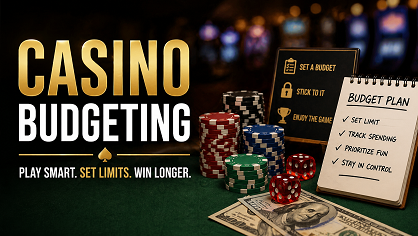
Bankroll management plays a crucial role in developing a successful Roulette Basics strategy. Allocating a designated budget allows players to engage with the game without overspending and ensures that the experience remains enjoyable. By treating the bankroll as a tool for entertainment, players can approach the game with a healthier mindset, focusing on the thrill of the experience rather than solely aiming for financial gain. It is vital to set limits on losses and goals for wins to maintain a balanced perspective.
Combining various strategies can lead to an effective personal approach, allowing players to adapt based on their evolving understanding of the game. Some may prefer a conservative strategy, while others might enjoy a more aggressive system. It is essential to remain flexible, adjusting one’s tactics as new experiences in the game unfold. This adaptability can enhance the overall enjoyment of roulette, transforming it from a mere gambling endeavor into a pleasurable pastime.
Ultimately, the key lies in prioritizing the entertainment aspect of Roulette Basics. The joy derived from spinning the wheel and watching the ball bounce is a significant part of the game’s allure. By focusing on creating a unique strategy tailored to personal preferences, players can enjoy roulette to its fullest while fostering a potentially rewarding and entertaining gaming journey.