


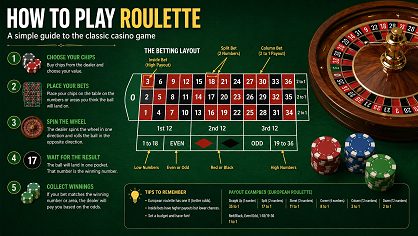
Roulette is a classic casino game that has captivated players for centuries. Originating in France in the 18th century, this gambling game combines chance and strategy, drawing players to its spinning wheel and the thrill of potential winnings. The term ‘roulette’ itself translates to ‘little wheel’ in French, aptly describing the key element of this game. The objective is straightforward: players place bets on a single number, a range of numbers, or a color (red or black) and then wait for the dealer to spin the wheel.
At its core, roulette consists of a wheel with numbered slots and a small ball that is spun around the wheel’s edge. The game is typically played on a table that displays the betting layout. As players place their chips on the layout, they make various bets that can yield different payouts. The most common bet types include straight-up bets, splits, corners, and outside bets, which offer varying odds and risk levels.
There are two main types of roulette: American and European. The European version features 37 slots numbered 0 to 36, while the American variant includes an additional slot for 00, bringing the total to 38. This extra slot in American roulette increases the house edge, making it slightly less favorable for players compared to the European version, which boasts a lower house edge and better odds for players. Understanding the differences between these two variations is vital for beginners aiming to approach the game with informed strategies, ultimately enhancing their gaming experience.
Understanding the Roulette Wheel and Table Layout
The game of roulette is anchored on its beautifully crafted wheel and the corresponding betting table. Understanding the layout of these components is essential for beginners to navigate the gameplay effectively. The roulette wheel features a series of numbered pockets ranging from 0 to 36 in European roulette, while American roulette includes a 00 pocket as well. This design results in a total of 37 pockets for European and 38 for American versions, contributing to different odds and house edges.
On the roulette wheel, the numbers are not in a sequential order; instead, they are strategically arranged to create an unpredictable spinning outcome. The colors of the pockets alternate between red and black to distinguish the numbers, with the exception of the green 0 and 00. Understanding this layout aids players in visualizing the risk associated with each bet.
The betting table, which accompanies the roulette wheel, is divided into inside and outside bets. Inside bets involve wagering on specific numbers or small groups of numbers, yielding higher payouts due to the higher risk. These bets include straight-up (single number), split (two adjacent numbers), and street (three numbers in a row). In contrast, outside bets cover broader options, such as red/black, odd/even, and high/low, offering better chances of winning but at lower payouts.
Visual aids, such as diagrams of the wheel and table layout, can significantly enhance a beginner’s grasp of the game. These diagrams clarify the connections between the wheel and table, showing how bets correlate with the possible outcomes. Consequently, familiarization with the roulette wheel and betting table layout lays a solid foundation for safe and informed gameplay.
Types of Bets and Their Odds
Understanding the different types of bets in roulette is essential for beginners who wish to engage in the game strategically. In roulette, there are primarily two categories of bets: inside bets and outside bets. Each category offers varying levels of risk and potential reward.
Inside bets are placed on specific numbers or small groups of numbers on the roulette table. These bets generally have higher payouts due to their lower probability of winning. For instance, a straight-up bet, where a player wagers on a single number, has a payout of 35 to 1. Other inside bets include split bets (covering two adjacent numbers), street bets (covering three numbers in a row), corner bets (covering a block of four numbers), and six line bets (covering two adjacent rows). The odds of winning these bets range from approximately 2.63% for a straight-up bet to about 16.67% for a six line bet.
On the other hand, outside bets are placed on larger groups of numbers and offer a higher chance of winning but with lower payouts. Examples of outside bets include red or black (betting on the color of the winning number), odd or even, and high or low (covering numbers from 1-18 or 19-36). Each of these bets usually has a payout of 1 to 1, and the odds of winning are about 48.65% for both red or black and odd or even bets, assuming the presence of a single zero on the wheel.
Finally, there are also call bets, which are a unique aspect of European roulette. Call bets enable players to wager on a specific set of numbers as per predetermined areas on the table layout. Examples include Voisins du Zero (neighbors of zero) or Tiers du Cylindre (third of the wheel). These bets often follow the same odds and payouts as inside bets.
By familiarizing themselves with these betting options and their associated odds, beginners can make informed decisions and enhance their experience while playing roulette.
Setting a Budget and Sticking to It
When venturing into the world of roulette, establishing a clear financial framework is imperative. Setting a budget not only helps prevent overspending, but also cultivates a disciplined approach to gaming. For beginners, it is essential to determine how much money they are willing to allocate to roulette play. This amount should be viewed as entertainment expenses, and hence, players should only gamble with money they can afford to lose.
To create an effective budget, players should consider their overall financial situation, including expenses like rent, bills, and savings. A practical tip is to set aside a specific amount of money dedicated solely to gambling activities each month. This amount could be as little as $50 or as significant as a few hundred dollars, depending on individual financial circumstances. Once the budget is established, it is crucial to stick to it and resist the temptation to dip into other funds.
Managing a bankroll effectively is key to sustaining enjoyment while playing. Players should track their wins and losses throughout their roulette sessions and adjust their betting sizes accordingly. Many experienced gamblers recommend adopting a unit-based betting system where players define a betting unit, typically a small percentage of their overall bankroll, and place bets accordingly. This ensures that even during streaks of losses, a player’s funds are preserved and help avoid the common pitfall of chasing losses.
Chasing losses occurs when players increase their bets in an effort to recover money lost in previous rounds. This behavior can lead to financial strain and culminate in poor decision-making. Therefore, sticking to the predefined budget and understanding the limits of one’s bankroll is crucial. In conclusion, establishing and adhering to a budget not only enhances the gaming experience but also protects the player’s financial health, allowing for enjoyable gameplay devoid of the stress associated with financial losses.
Choosing the Right Casino
When it comes to playing roulette, whether online or in-person, selecting a reputable casino is paramount for a safe gaming experience. For beginners, this decision can significantly influence not just the enjoyment of the game but also the security of personal and financial information.
One of the first factors to consider is the casino’s licensing and regulation. Make sure that the casino adheres to strict standards set by governing bodies, as this indicates that it operates legally and fairly. A license from recognized authorities such as the UK Gambling Commission or the Malta Gaming Authority serves as a badge of trustworthiness. Additionally, for online casinos, you can usually find this information at the bottom of their homepage.
Bonuses and promotions are also important when choosing a casino. Many establishments offer welcome bonuses as incentives for new players. However, it’s essential to read the fine print associated with these offers. Look for reasonable wagering requirements and ensure that you understand how bonuses can be used. This will not only enhance your initial gaming experience but also offer added value while playing roulette.
Customer service is another critical component. A reliable casino should provide efficient and helpful customer support through various channels such as live chat, email, or telephone. Test the responsiveness of their support team by asking questions before committing to play. This will give you insight into their quality of service and ensure that you will receive assistance when needed.
Finally, it is wise to read player reviews before deciding on a casino. Platforms like review sites or forums can provide valuable insights into the experiences of other players. Look for common themes – a high number of negative reviews may signal potential issues with payouts or customer service. Ultimately, thorough research will help you select a casino that is both enjoyable and safe for your roulette endeavors.
Strategies for Playing Roulette Safely
When engaging in roulette, especially for beginners, it is crucial to approach the game with a strategy that emphasizes safety and informed decisions. This section will outline various approaches that players can adopt to enhance their gameplay while minimizing potential losses.
One of the classic strategies is the Martingale system, which is designed for players who prefer a more conservative approach. This system involves doubling your bet after every loss. The idea is that once you win, you will recover all your previous losses, plus a profit equal to your original bet. While logically sound, it requires a substantial bankroll and may reach table limits quickly, making it essential to manage your finances carefully.
In addition to the Martingale system, players might consider less risky betting patterns, such as the Fibonacci or Labouchère systems. The Fibonacci system is based on the famous Fibonacci sequence. Here, players wager amounts corresponding to the sequence, betting the sum of the previous two amounts after a loss. Conversely, the Labouchère system involves creating a sequence of numbers, with your bet equal to the sum of the first and last numbers of the sequence. After losing, players add the total of the bet to the end of the sequence, and after winning, they eliminate the numbers from the sequence.
For those who prefer not to engage in complex strategies, sticking to outside bets like red or black, even or odd, or 1-18 and 19-36, is a much safer approach. These bets provide nearly a 50% chance of winning, allowing players to extend their gameplay. However, it is important to remember that even with careful strategies, roulette is ultimately a game of chance, and no strategy can guarantee wins.
Recognizing and Avoiding Gambling Addiction
Gambling addiction is a growing concern, especially in the context of popular games such as roulette. Understanding gambling addiction is crucial for anyone engaging in this form of entertainment. It is characterized by an uncontrollable urge to gamble, regardless of the consequences. Recognizing the warning signs can significantly aid in preventing the transition from casual gaming to problematic behavior. Common indicators include an increasing need to gamble, preoccupation with gambling, and neglecting personal and professional responsibilities in favor of betting activities.
One of the key strategies to avoid gambling addiction is to set clear limits on your gaming activities. Establishing a budget before you begin playing roulette can help ensure you are only using funds that you can afford to lose. This practice promotes responsible gaming and can significantly mitigate the risk of developing harmful gambling habits. It is also advisable to set time limits for your gaming sessions, allowing for a balanced approach that includes other interests and responsibilities.
If you find it challenging to manage your gambling habits, numerous resources are available to provide support. Organizations such as Gamblers Anonymous and the National Council on Problem Gambling offer valuable information and assistance for those facing gambling-related issues. Additionally, incorporating self-exclusion measures, where individuals voluntarily restrict themselves from gambling venues, can be a proactive step towards maintaining control.
Ultimately, acknowledging the signs of potential gambling addiction is the first step towards an enjoyable and responsible gaming experience. When engaging with games like roulette, remain vigilant about your habits and seek help if you notice any troubling changes. By prioritizing responsible gaming practices, individuals can enjoy roulette while minimizing the risk of developing a gambling addiction.
Legal Considerations and Responsible Gaming Practices
Playing roulette, whether in a physical casino or online, necessitates a careful understanding of its legal framework and responsible gaming practices. Each country has specific regulations governing gambling activities, which may affect the legality of playing roulette, including age restrictions. It is essential for players to familiarize themselves with these laws to ensure compliance. Generally, the minimum legal age to engage in gambling activities, including roulette, ranges from 18 to 21 years depending on the jurisdiction. Therefore, it is crucial for individuals considering playing roulette to confirm local laws before participation.
Additionally, many casinos and online gambling platforms require players to verify their identity and age before allowing them to place bets. This step helps to maintain a responsible gaming environment and ensures that minors are not exposed to gambling activities. Players should always provide accurate information during the registration process to avoid any legal repercussions and potential bans from the platform.
An essential aspect of engaging in roulette is practicing responsible gaming. This involves setting a budget, understanding the odds, and recognizing when to stop playing. Responsible gaming practices are vital to ensure that players maintain control over their gambling activities. One effective strategy is to only gamble with money that one can afford to lose, thereby preventing financial strain. Additionally, it may be beneficial to establish time limits for gameplay, allowing players to enjoy the experience without becoming overly engrossed or facing the risk of losses.
Finally, many jurisdictions provide resources for individuals seeking help with gambling-related issues. Players are encouraged to take advantage of such support networks to foster a safe and enjoyable gaming experience.
Conclusion and Final Tips
In conclusion, how to play roulette can be an exciting and engaging experience for beginners, provided it is approached with caution and responsibility. As outlined throughout this blog post, understanding the rules and different types of bets is pivotal in establishing a solid foundation in this classic casino game. Players should take the time to familiarize themselves with the table layout and the various betting options available to them, as this knowledge can significantly enhance their overall gameplay.
Furthermore, implementing strategies like setting a budget and observing the game before participating can lead to a more enjoyable playing experience. It is crucial to establish a clear financial limit prior to playing to manage risks effectively and to ensure that gambling remains a form of entertainment rather than a financial burden.
Another important aspect to consider is the environment in which one chooses to play. Whether in a physical casino or an online platform, ensuring safety and security should be a top priority. For online gameplay, selecting reputable casinos with robust security measures can help prevent issues related to personal data or financial transactions.
Lastly, never forget to engage with the game on your own terms. Roulette is meant to be a thrilling game, and maintaining a balanced attitude is essential. Remember to enjoy the process, celebrate your wins, and accept losses gracefully. By adhering to these guidelines and remaining mindful of the risks involved, beginners can approach roulette in a safe and responsible manner. With practice and knowledge, the journey of playing roulette can be both fun and rewarding.