


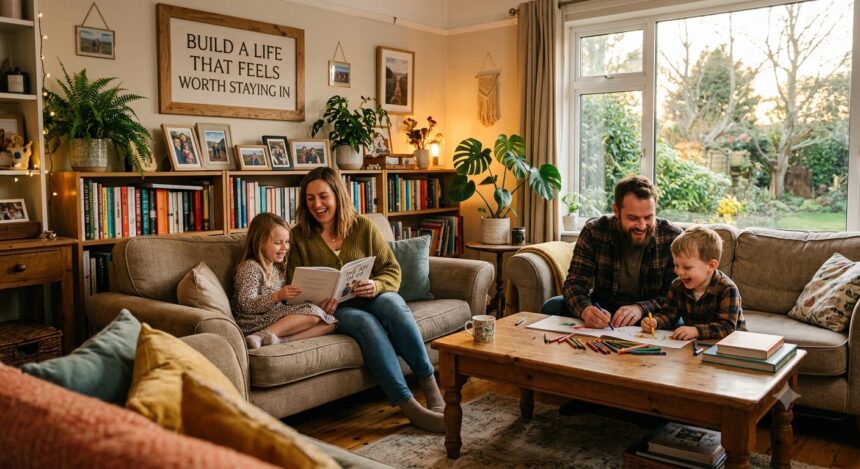
Design a Life You Do Not Need to Escape From
The idea of needing a vacation from your own routine says a great deal about how that routine is built. Many people structure their days around endurance, treating weekends and holidays as brief pauses in an otherwise draining cycle. A more sustainable approach involves shaping daily life so it feels satisfying on ordinary Tuesdays, not only during rare breaks. This shift in thinking moves the focus away from escape and toward design, where choices about work, environment, and relationships combine into something a person genuinely wants to inhabit.
Why the Urge to Escape Signals Deeper Imbalance
The constant desire to get away rarely appears without cause. It often grows from small mismatches that accumulate over months: work that feels meaningless, obligations accepted out of guilt, or an environment that drains energy rather than restores it. When these pressures build, the mind begins treating distraction and departure as relief valves. The problem is that escape offers only temporary comfort while leaving the underlying structure untouched, so the same tension returns almost immediately after each break ends.
Recognizing this pattern is the first step toward changing it. Instead of asking how to secure more time away, a more useful question concerns what specifically feels intolerable and why. Honest answers usually point to a handful of recurring themes rather than a vague sense of dissatisfaction. Once those themes become clear, they can be addressed directly, turning a foggy longing for escape into a concrete list of adjustments worth making.
Designing Environments and Downtime With Intention
Surroundings shape mood more than most people acknowledge. A cluttered home, a chaotic schedule, or constant digital noise can generate low-level stress that never fully resolves. Thoughtfully arranging physical and mental space, from tidying frequently used areas to protecting quiet hours, reduces the background strain that makes rest feel necessary yet never sufficient. Leisure itself deserves the same care, since not all downtime restores energy equally.
Recreation is one area where intention matters, because entertainment can either recharge a person or leave them feeling more depleted. Some enjoy creative hobbies, others prefer physical activity, and a portion gravitate toward games of chance for occasional amusement. For those who treat this as light entertainment, exploring Ice casino can fit into a balanced routine when approached with clear limits on time and money. The broader principle applies to any pastime: leisure should support the life being built rather than quietly undermine it.
| Life Area | Escape-Driven Pattern | Intentional Design |
| Work | Endured out of inertia | Aligned with personal values |
| Environment | Cluttered and chaotic | Thoughtfully arranged and calm |
| Leisure | Passive distraction | Genuine recovery within limits |
| Relationships | Wide but shallow ties | Few meaningful, supportive bonds |
Choosing Rest That Actually Restores
Not every relaxing activity leaves someone refreshed. Passive scrolling, for instance, often consumes hours without delivering real recovery. Distinguishing between genuine rest and mere distraction helps people spend limited free time in ways that return energy.
Aligning Work With Values Instead of Momentum
Careers often drift forward on momentum rather than intention. A role accepted years ago may no longer match a person’s priorities, yet inertia keeps them in place. Realigning work with genuine values does not always require a dramatic change of profession. Sometimes it means renegotiating responsibilities, setting clearer boundaries around availability, or shifting toward projects that feel meaningful. The goal is reducing the daily friction that makes work feel like something to survive rather than contribute to.
Financial stability plays an obvious part in these decisions, and few people can restructure their working life overnight. Still, even incremental changes tend to compound. Building modest savings, reducing unnecessary expenses, and gradually developing skills that open new options all create room to maneuver. Over time, this breathing space allows work to become a chosen activity rather than a trap, which quietly removes much of the pressure that fuels the urge to flee.
Strengthening Relationships That Anchor Daily Life
Human connection forms the backbone of a life worth staying in. Relationships that feel supportive make ordinary days richer, while strained or superficial ties add weight. Investing attention in a small number of meaningful bonds tends to matter more than maintaining a wide but shallow social circle. Regular, unhurried time with people who understand and encourage growth gives daily existence a sense of belonging that no getaway can replicate.
Boundaries protect these connections as much as effort sustains them. Declining commitments that drain energy leaves room for the relationships that genuinely nourish. Over time, a network of trusted people becomes a steady source of stability, reducing the sense of isolation that often intensifies the wish to disappear from everyday responsibilities.
Bringing the Pieces Together
Designing a life that requires no escape rests on aligning work, environment, leisure, and relationships with personal values. Each adjustment removes a source of quiet strain and replaces it with something sustaining. The result is not a flawless existence but one built deliberately enough that ordinary days feel worth living, making the constant longing for elsewhere gradually fade.