


Introduction to Payment Methods in Online Casinos
In the growing realm of online casinos, payment methods play a pivotal role in enhancing the overall player experience. As gambling enthusiasts increasingly turn to digital platforms, the choice and reliability of payment options have become vital components of successful online gaming. Understanding various payment methods not only aids players in selecting a preferred option but also contributes significantly to their security and ease of transactions during gameplay.
The significance of payment methods in online casinos extends beyond mere convenience. They act as a bridge between real money and players’ virtual gambling experiences. Diverse options—ranging from credit cards and e-wallets to cryptocurrencies cater to different preferences and financial situations. This variety ensures that players can find a transaction method that aligns with their comfort level and desired speed of deposits and withdrawals.
Security is another critical aspect when discussing payment methods for online casinos. Given that players trust their selected platforms with sensitive financial information, reputable online casinos prioritize implementing robust encryption technologies and fraud detection mechanisms. Players are encouraged to choose payment options that not only provide efficiency but also ensure their private data is safeguarded against potential threats.
In addition to security, the impact of payment methods on the user experience cannot be understated. Quick deposits and seamless withdrawals are essential to maintain player engagement and satisfaction. Furthermore, the presence of various payment solutions can attract a wider audience, as they accommodate different geographical regions and local banking practices.
This introduction underlines the importance of understanding payment methods available in online casinos. In the subsequent sections, we will delve deeper into specific payment options, comparing their advantages, disadvantages, and overall suitability for players seeking reliable online gambling experiences.
Credit and Debit Cards: Popular Choices
Credit and debit cards continue to be among the most popular payment methods for online casinos, offering a convenient and straightforward way for players to fund their gaming accounts. One of the primary advantages of using these cards is the ease of use they provide. Most players are already familiar with the process of entering card details, which typically involves providing the card number, expiration date, and security code. This familiarity can lead to a more seamless transaction experience within online gaming platforms.
Moreover, credit and debit card transactions are processed instantly, allowing players to begin enjoying their favorite casino games without unnecessary delays. This immediacy enhances the overall gaming experience, particularly for those who wish to make quick deposits. Many online casinos accept a range of card providers, with Visa and MasterCard being the most dominant choices. Additionally, some casinos may also accept American Express and Discover, catering to a broader audience.
However, despite these advantages, there are also potential downsides to using credit and debit cards at online casinos. One notable disadvantage is the withdrawal times associated with these payment methods. While deposits are generally instantaneous, withdrawals may take longer to process. This can be particularly frustrating for players who wish to access their winnings promptly. Furthermore, some banks might impose fees for transactions related to online gambling, which could discourage some players from opting for this payment method. To mitigate such fees, players are advised to check with their financial institutions ahead of time.
In conclusion, credit and debit cards stand as reliable options for online casino payments, thanks to their ease of use and fast deposit features. However, the potential for longer withdrawal times and additional fees should be carefully considered by players before committing to this method.
E-Wallets: Speed and Convenience
E-wallets have emerged as a favored method for transactions in the online casino sphere, offering an attractive blend of speed and convenience. Services like PayPal, Skrill, and Neteller dominate this category, streamlining payments for those engaging in online gaming. When utilizing an e-wallet, players can quickly transfer funds to and from their casino accounts, often completing transactions within moments. This advantage is particularly noticeable during withdrawals, where traditional methods may impose delays.
One of the significant benefits of e-wallets is the enhanced privacy they afford users. Players are not required to share their banking details directly with an online casino, which can mitigate the risks associated with identity theft and fraud. Instead, transactions are conducted through the e-wallet service, adding a layer of security. Additionally, e-wallets often come with fewer fees compared to credit cards or bank transfers, making them a cost-effective option for regular users.
However, there are potential drawbacks to consider. Some online casinos may impose restrictions on bonuses or promotions for deposits made via certain e-wallets. Additionally, not all e-wallet services offer the same level of recognition or acceptance across different casinos, which may limit choices for players. It is essential to verify which e-wallets are accepted by a casino before committing to a specific method. Overall, e-wallets represent a significant advancement in the payment landscape of online gaming, offering a rapid and secure alternative to traditional banking methods.
Prepaid Cards: Anonymity and Control
Prepaid cards have gained popularity as a secure payment method for online casinos, primarily due to their provision of anonymity and control over finances. These cards, which can be loaded with a predetermined amount of money, allow players to engage in online gambling without exposing their personal banking information. This aspect of anonymity is particularly appealing to those who prioritize privacy during their gaming experiences.
One of the significant advantages of prepaid cards is the budgeting control they offer. Players can deposit only what they can afford to spend, minimizing the risk of overspending and enhancing responsible gambling practices. By loading a specific amount onto a prepaid card, individuals can create a clear boundary between their gambling budget and their regular finances. This separation can help mitigate the emotional aspects associated with gambling and promote a more disciplined approach to online gaming.
However, while prepaid cards come with several benefits, there are also considerations that players should acknowledge. Availability can sometimes be a challenge, as not all online casinos accept prepaid cards as a deposit method. Additionally, players may find limitations when it comes to withdrawing their winnings. Many casinos do not permit withdrawals back to prepaid cards, necessitating alternative payment methods for cashing out. As such, it is essential for users to thoroughly review the terms and conditions of their chosen online casino regarding prepaid card transactions.
In conclusion, prepaid cards represent a viable and secure option for online casino players seeking greater anonymity and control over their gambling activities. Their ability to help players maintain a budget while minimizing personal information exposure makes them a suitable choice for those prioritizing safety while enjoying online games.
Cryptocurrencies: The Future of Online Payments?
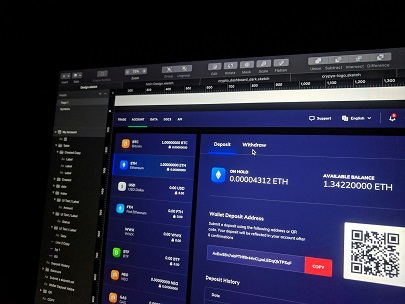
The rise of cryptocurrencies, notably Bitcoin and Ethereum, signifies a transformative shift in the online casino landscape. As digital currencies gain traction, more gambling platforms are embracing them as a viable payment method. In doing so, they present several benefits that enhance the gaming experience for users.
One of the primary advantages of using cryptocurrencies in online casinos is their inherent security. Blockchain technology underpins cryptocurrencies, providing a decentralized and immutable ledger that secures transactions. This technology decreases the risk of fraud and unauthorized access, thereby fostering a safer gambling environment for players. Additionally, the use of cryptocurrencies allows for anonymity; players can gamble without disclosing personal information, significantly reducing the risk of identity theft.
Another compelling reason for the adoption of crypto payment methods in online casinos is the potential for lower transaction fees. Unlike traditional banking methods, which often incur hefty charges for transactions and currency conversions, cryptocurrencies typically have diminished processing costs. This efficiency translates into better payouts and is particularly appealing to high-stakes gamblers who prioritize their return on investment.
However, it is essential to address the volatility associated with cryptocurrencies. The values of Bitcoin, Ethereum, and others can fluctuate wildly within short periods, posing risks for both players and operators. Gamblers must be cognizant of this volatility as it can impact their bankroll and wagering strategies. Effectively, while the advantages of cryptocurrencies are numerous, they come with certain caveats that players should consider before fully embracing them as their primary mode of payment in online casinos.
Bank Transfers: Traditional Yet Reliable
Bank transfers remain one of the most traditional yet reliable methods for depositing and withdrawing funds at online casinos. This payment method involves directly moving money between a bank account and the casino’s banking system. Many players appreciate the familiarity and credibility associated with using their bank, as it allows them to manage their funds without relying on third-party payment processors.
One of the main advantages of using bank transfers at online casinos is the enhanced level of security they provide. Transfers are typically encrypted and regulated, minimizing the risk of fraud compared to other payment methods. Players often feel more secure knowing that their financial information is handled through their bank, rather than shared with multiple platforms. Additionally, most online casinos require identity verification for bank transfers, adding an extra layer of protection against unauthorized transactions.
However, while reliability is a significant benefit of bank transfers, there are some potential downsides to consider. One concern is the processing time associated with this payment method. Unlike digital wallets or credit cards, which can allow for instant transactions, bank transfers may take several business days to complete. This delay can be frustrating for players eager to access their winnings or deposit funds to start playing.
Moreover, some banks and online casinos may charge fees for processing these transactions, which can deter players from using this method. These fees can vary significantly depending on the institution, and players should research and understand any potential costs involved. Overall, bank transfers are a dependable option for online casino transactions, especially for individuals prioritizing security, but players should weigh the advantages against the potential drawbacks.
Payment Method Fees: What Players Need to Know
The realm of online casinos offers players a diverse array of payment methods. However, each option may come with its corresponding fees, which can vary significantly across different platforms. Understanding these fees is essential for players who wish to manage their gambling budgets effectively.
When engaging with online casinos, players typically encounter two primary types of fees: deposit fees and withdrawal fees. Deposit fees are the charges that may be levied when a player adds funds to their casino account. Many online casinos often promote no deposit fees for popular methods such as credit cards and e-wallets. However, some alternative methods might incur charges, so it is vital for players to read the terms regarding their chosen method.
On the other hand, withdrawal fees can sometimes catch players off guard. After winning, players eager to cash out should be aware that many methods may charge fees upon processing withdrawals. This can impact the amount that players ultimately take home. For instance, bank transfers may have higher processing fees compared to e-wallets or cryptocurrencies. It is crucial for players to evaluate not only the fees associated with depositing but also the potential expenses tied to their withdrawals to avoid unexpected costs.
To minimize the impact of fees on overall player budgets, it is advisable to select payment methods that offer low or no fees. Additionally, players should consider reviewing multiple online casinos to identify those that provide favorable financial conditions. Assessing payment method fees effectively equips players with the knowledge needed for a more enjoyable and financially manageable gaming experience, ensuring that their focus remains on entertainment rather than unforeseen costs.
Security Measures for Online Payments
In the realm of online casinos, the security of payment methods is paramount. Players must feel confident that their financial transactions are protected against fraud and unauthorized access. A variety of security measures have been implemented by reputable online casinos to safeguard user information and ensure the integrity of online payments.
One of the most crucial security strategies employed is encryption technology. By utilizing Secure Sockets Layer (SSL) encryption, online casinos protect sensitive data such as credit card numbers and personal information during transmission. This encryption creates a private tunnel between the user’s browser and the casino’s server, making it virtually impossible for cybercriminals to intercept the information. Players should look for casinos that display security certificates, as this indicates a commitment to protecting their customers.
In addition to encryption, many online casinos implement advanced fraud protection measures. These measures often include multi-factor authentication (MFA) and transaction monitoring systems that flag any suspicious activities. Players who engage in online gambling should also be aware of their responsibilities in protecting their accounts. Utilizing strong, unique passwords and regularly updating them can further enhance security. Moreover, players are encouraged to use reputable payment methods known for their strong security protocols, such as e-wallets or cryptocurrencies, which often offer added layers of protection.
Regulatory oversight also plays a key role in ensuring the safety of payment methods in online casinos. Operators are typically required to follow strict guidelines set by regulatory bodies to maintain their licenses. This includes conducting regular audits and complying with anti-money laundering (AML) regulations, thereby fostering a secure gambling environment. Choosing online casinos that are regulated and licensed can provide additional peace of mind for players concerned about the security of their financial activities.
Overall, understanding and selecting secure payment methods is vital for players seeking to enjoy a safe online casino experience. By prioritizing encryption, fraud protection, and regulatory compliance, online casinos can effectively mitigate risks associated with online payments.
Conclusion: Choosing the Right Payment Method for Your Gaming Experience
In evaluating payment methods for online casinos, it is imperative to consider several critical factors that can significantly influence your overall gaming experience. The right payment option not only enhances your security but also provides convenience and expedites the transaction process. Throughout this blog post, various payment methods such as credit cards, e-wallets, cryptocurrencies, and bank transfers have been analyzed for their unique advantages and potential drawbacks.
Speed is often a top priority for players looking to deposit and withdraw funds efficiently. E-wallets, for example, provide faster transaction times compared to traditional bank wire transfers. When selecting a payment method, assess the speed of deposits and withdrawals offered by the casino. This can make a notable difference in your gaming sessions, especially if you want to access your winnings quickly.
Security is another paramount consideration. Look for payment options that employ advanced encryption technologies to protect your financial data. Methods like credit cards and established e-wallets usually come with robust security features. Players should prioritize options that offer buyer protection and fraud monitoring to enhance their overall safety.
Convenience should also not be overlooked. Think about the usability of the payment method you choose, including whether it is compatible with mobile gaming. A method that allows for seamless transactions on both desktop and mobile devices can greatly enrich your gaming experience, enabling you to play whenever and wherever you choose.
Ultimately, the ideal payment method varies by individual preference and requirements. By taking into account factors such as speed, security, and convenience, players can make informed decisions that enhance their online gambling experiences, leading to a more enjoyable and satisfying engagement with online casinos.