

Blackjack has a reputation as the smart player’s game, the one spot on the casino floor where the house edge drops to a rounding error. That reputation is earned, but it comes with an asterisk most people never read. The low edge only exists if you play a good version of the game well. Pick a bad table, and blackjack quietly becomes one of the worse bets in the building.
The single biggest lever is a number printed on the felt that most players walk straight past.
The payout on a natural is everything
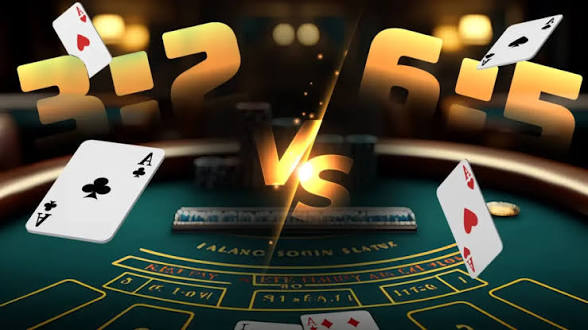
When you are dealt a two-card 21, the game pays you a bonus. The traditional payout is 3:2, meaning a £10 bet returns £15. Over the last decade, more and more tables have shifted to 6:5, which returns just £12 on the same hand.
That looks like a small difference. It is not. Moving from 3:2 to 6:5 roughly triples the house edge on an otherwise identical game. Everything else can be perfect, the rules, your strategy, the dealer, and a 6:5 payout still bleeds you at a rate that undoes all of it. If you learn only one thing about blackjack, learn to check this before you sit down.
The other rules that move the number
Past the payout, a handful of rule variations each nudge the edge up or down.
Whether the dealer hits or stands on a soft 17 matters. Standing is better for you. The number of decks matters, with fewer decks favouring the player slightly. Being allowed to double after a split, to surrender a bad hand for half your stake, and to re-split pairs all shift the maths in your favour when offered. None of these rival the payout for importance, but together they separate a good table from a mediocre one.
The frustrating part is that operators do not always make these terms obvious. A well-run site publishes them on the rules screen. A poorly run one buries them, which tells you something in itself.
RNG or live dealer
Online, you will usually choose between a software-dealt game driven by a random number generator and a live-streamed table with a real dealer.
Both are legitimate. An RNG game should be independently tested for fairness, and on crypto-native sites it is often provably fair, meaning you can verify the deal yourself. A live game removes the RNG question entirely because you are watching real cards, at the cost of a slower pace. Which you prefer is a matter of taste, not safety, provided the operator is licensed and the game is certified. Anyone sitting down to a session of crypto blackjack should still start on the rules screen and confirm the payout before worrying about anything else.
The short checklist
Before you play a hand:
- Confirm the natural pays 3:2, not 6:5. This is non-negotiable.
- Check whether the dealer stands on soft 17 and whether doubling after split is allowed.
- Learn basic strategy for that exact rule set, and follow it.
- Set a budget first and treat it as the cost of the entertainment, because even a perfect game keeps a small edge.
The honest bottom line
Blackjack rewards attention in a way almost nothing else on the casino floor does, but the reward is conditional. Play a 3:2 table with correct strategy and you are getting genuinely good value for your entertainment money. Play a 6:5 table on gut feel and you are just donating slowly while believing you are being clever.
The difference is not luck. It is the rules screen, and it is free to read.
18+. If play stops being fun, the National Council on Problem Gambling can help. Play responsibly.