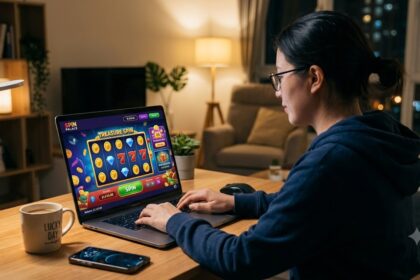


A puzzle game with three colours and a timer will sit ignored in an app store for months. Reskin it as a bakery under siege by raccoons, add a baker who groans when you fail, and the same three-colour timer suddenly gets forty thousand downloads in a week. Nothing in the logic changed. What changed is the story wrapped around it, and that story is doing almost all the selling, a pattern the industry tracker Sensor Tower has documented across thousands of app-store reskins.
The frame sells before the rules ever get read
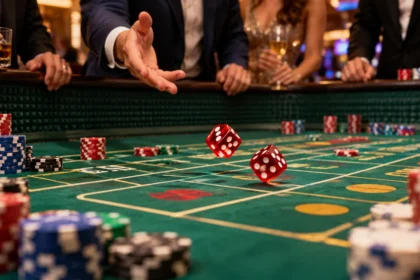
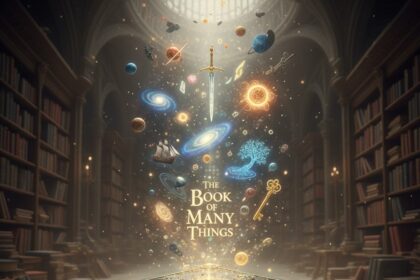
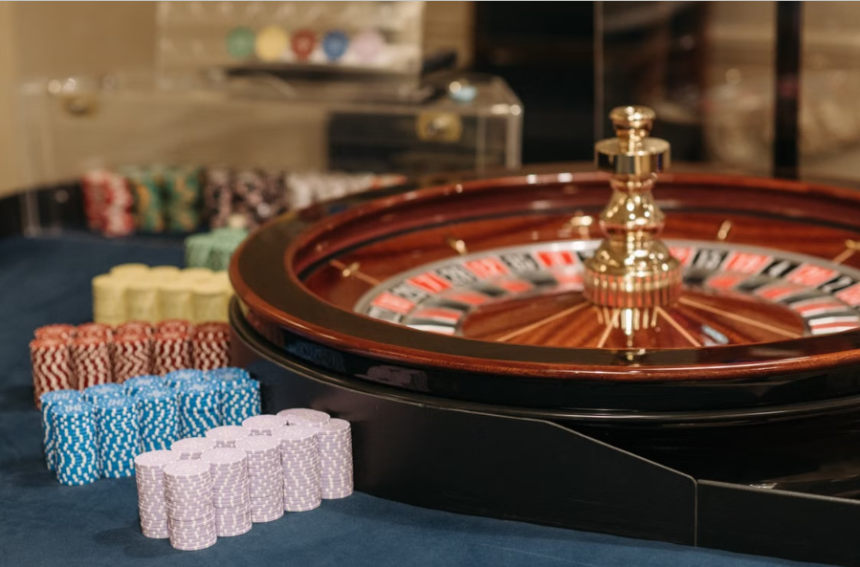
Nobody opens a new app, show, or table game by studying its mechanics first. They see a setting, a character, a mood, and they decide in under three seconds whether that world is worth ten more minutes. The same logic runs through live-dealer casino tables: a game built on Alice in Wonderland, like the wonderland casino table, deals cards at the same pace as any other live game, but the tea-party set and a host playing a character make the session feel like a different experience entirely.
That gap between what a product looks like and what it actually does is where a lot of design budget quietly goes. A cooking show and a survival show can share nearly identical structure: elimination rounds, a panel of judges, a countdown clock, yet audiences describe them as nothing alike, because the costume around the format is the whole pitch. Streaming platforms know this well enough to test a dozen thumbnail variants of the same episode before picking one, because the artwork outperforms the plot summary nearly every time it is tried.
Why the same formula keeps getting reused
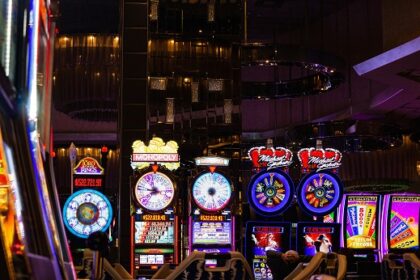
Once a studio finds a mechanic that behaves predictably (a match-three grid, a spinning reel, a trivia clock), the cheapest way to grow a catalogue is not inventing a new rule set. It is dressing the old one in new clothes and letting a fresh theme carry the release. Licensing a film franchise, borrowing a folk myth, or leaning on a season’s pop-culture moment all do the same job: they give a familiar mechanic a reason to feel new again without touching the code underneath.
| Format | What the theme changes | What stays identical |
| Mobile puzzle game | Art, characters, dialogue | Grid logic, scoring, timers |
| Streaming competition show | Setting, contestants’ backstories | Elimination structure, judging panel |
| Live-dealer table game | Set design, host persona, narration | Card rules, betting rounds, payout table |
| Sports broadcast | Camera language, commentary tone | Scoring rules, match duration |
Radio and television did this decades before apps existed: the same quiz format has been sold under a dozen different names and hosts across different countries, each localisation swapping in local celebrities and a local set while keeping the scoring untouched. A theme travels across borders far more easily than a licensing deal for a whole new mechanic would.
There is a psychological reason this keeps working: people remember settings and characters far longer than they remember rules. Ask someone about a game show they watched as a child and they will describe the host’s catchphrase or the giant wheel long before they can explain how points were awarded. A theme gives a product something to be recognised by across a crowded shelf, which is exactly why publishers spend more on art direction and licensing than on the underlying logic itself.
That memory advantage is also why rebrands so rarely touch the core system. Changing a proven mechanic risks alienating the players who already trust it, so studios isolate risk to the surface layer (new skin, new soundtrack, new host) while keeping the tested engine untouched underneath. It is a cheaper experiment than it looks, and it fails safely if the theme does not land.
Where the trick stops working
The frame only sells the first session. A reskinned puzzle game with a charming raccoon baker still needs a fair difficulty curve, or players uninstall it within a day no matter how good the art was. A show can be beautifully cast and still get cancelled after one series if the format underneath is grindy or repetitive once the novelty wears off. Theming buys attention; it never buys retention on its own, and treating it as a substitute for a solid mechanic is where most reskins quietly fail.
The honest takeaway is that theme and mechanic are doing two separate jobs, and confusing them is the actual mistake. A theme opens the door and gets someone to try something for the first time, in roughly the time it takes to glance at a thumbnail. What keeps them coming back afterward is whatever the paytable, the scoring system, or the format’s pacing actually delivers once the novelty of the costume has worn off completely.