


Understanding Casino Etiquette for First-Time Visitors
Visiting a casino for the first time can feel exciting, unfamiliar, and slightly overwhelming. The bright lights, busy gaming floors, and formal table procedures create an environment unlike most entertainment venues. Understanding basic casino etiquette helps first-time visitors feel comfortable while respecting the people, staff, and rules that shape the experience.
Casino etiquette refers to the accepted standards of behavior followed by guests inside a casino. These expectations cover communication, personal space, dress codes, photography, and interactions with employees. Although individual venues may have different policies, courtesy, patience, and respect are generally expected throughout the property.
Knowing what to expect also helps visitors avoid common misunderstandings. Some rules exist to protect privacy and security, while others keep shared spaces organized and welcoming. Whether visiting a casino hotel, attending an entertainment event, or accompanying friends, understanding appropriate behavior makes the experience more comfortable.
Understand Casino Rules Before Entering
Every casino operates under specific rules designed to maintain security, fairness, and order. These regulations may address identification requirements, restricted areas, acceptable behavior, and access to particular facilities. First-time visitors should understand that casino policies can vary considerably depending on the location, operator, and applicable laws.
Most regulated casinos enforce minimum-age requirements for accessing gambling areas. Some properties also restrict entry to certain sections or require guests to provide identification. Even when the surrounding hotel or entertainment complex welcomes visitors, the gaming floor may have separate conditions that must be followed.
Visitors should respect posted notices and instructions from authorized employees. Ignoring access restrictions or arguing about established policies can lead to unnecessary problems. Understanding these expectations before entering helps prevent confusion and supports a respectful environment for guests and casino personnel.
Follow the Casino Dress Code
Casino dress codes depend on the venue, location, and type of entertainment offered. Some modern casino resorts allow casual clothing throughout most public areas, while luxury properties may expect more formal attire in selected spaces. Restaurants, lounges, and special events can also have their own clothing requirements.
Clean, comfortable, and appropriate clothing is generally suitable for many casual casino environments. However, certain venues may prohibit specific items for security, safety, or appearance reasons. Visitors attending a formal event should check the relevant dress requirements rather than assuming the entire property follows one standard.
Respecting a dress code is primarily about following the establishment’s expectations. It does not require expensive clothing or an elaborate personal style. Choosing suitable attire helps guests avoid access problems and contributes to an atmosphere where everyone can enjoy the surroundings comfortably.
Be Polite to Casino Dealers and Staff
Casino employees perform a wide range of duties, including customer service, security, hospitality, and gaming supervision. Their responsibilities often require concentration, patience, and consistent communication with many different visitors. Treating employees respectfully is one of the most important principles of casino etiquette.
Guests should use polite language when asking questions or requesting assistance. Staff members may need to follow established procedures, even when a visitor would prefer a different response. Becoming impatient, raising one’s voice, or making personal remarks creates unnecessary tension and can disrupt the surrounding environment.
If a misunderstanding occurs, calmly explaining the situation is usually more productive than arguing. Employees may refer complex concerns to supervisors or another authorized department. Respectful communication makes it easier to resolve problems while maintaining a positive atmosphere for everyone involved.
Respect Other Visitors’ Personal Space
Casinos can become crowded, especially during weekends, holidays, and major entertainment events. Guests may gather around restaurants, lounges, gaming areas, and other popular attractions. Respecting personal space helps prevent discomfort and allows everyone to move around the property without unnecessary interference.
Avoid standing too close to other visitors, leaning over their shoulders, or interrupting private conversations. Some people prefer quiet surroundings, while others enjoy socializing in shared entertainment spaces. Recognizing these differences is an important part of appropriate casino behavior.
Personal belongings should also remain within designated areas rather than blocking walkways or neighboring seats. Large bags, jackets, and other items can create inconvenience when placed carelessly. Being mindful of nearby guests demonstrates consideration and helps maintain an organized environment.
Learn Basic Casino Table Manners
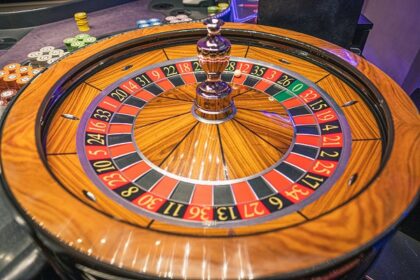
Casino tables often operate under structured procedures managed by trained employees. These procedures help maintain order and ensure that activities follow the property’s established rules. Visitors who are unfamiliar with table games should recognize that interrupting an ongoing activity can be disruptive.
Avoid touching another person’s cards, chips, or personal belongings. Guests should also refrain from reaching across occupied spaces or interfering with equipment. Even seemingly harmless gestures may create misunderstandings when a table is operating under strict handling procedures.
Observing posted rules and listening to employees can help visitors understand the expected standards of behavior. Questions about general procedures should be directed to authorized staff at an appropriate moment. Good table manners focus on courtesy and avoiding interference rather than displaying detailed knowledge of any particular game.
Never Touch Another Person’s Chips or Cards
Casino chips and playing cards may appear ordinary, but they have specific roles within regulated gaming environments. Handling them without authorization can raise questions about security, ownership, and fairness. Visitors should therefore respect boundaries around equipment and materials assigned to other participants.
Touching someone else’s chips or cards can also cause confusion about who controls particular items. Even a friendly gesture may be misunderstood when money or official procedures are involved. The safest standard of etiquette is to avoid interfering with objects that belong to someone else.
This principle extends beyond gaming equipment to phones, bags, and other personal possessions. Guests should ask permission before moving anything that does not belong to them. Respecting ownership and personal boundaries helps maintain trust throughout busy entertainment spaces.
Keep Conversations Respectful and Appropriate
Conversation contributes to the social atmosphere of many casinos, restaurants, and entertainment areas. However, crowded surroundings make it important to consider how discussions affect nearby people. Loud arguments, offensive remarks, and intrusive questions can quickly make a shared environment uncomfortable.
Visitors should avoid commenting negatively on another person’s decisions, financial circumstances, or personal behavior. Unrequested advice can feel intrusive, particularly in situations where individuals prefer privacy. Friendly conversation is generally welcome when everyone involved is comfortable participating.
Sensitive subjects should be discussed discreetly rather than loudly in public areas. Guests should also avoid distracting employees while they are completing tasks requiring concentration. Respectful communication allows visitors with different personalities and preferences to share the same environment comfortably.
Understand Photography and Video Restrictions
Many casinos restrict photography and video recording in selected areas. These policies may protect guest privacy, confidential information, security arrangements, and operational procedures. Because the rules vary by venue, visitors should never assume that filming is permitted simply because cameras are allowed elsewhere in the property.
Public hotel spaces, restaurants, and entertainment areas may have different recording policies from gaming floors. Some properties permit photographs in designated locations but restrict video recording near certain activities. Visitors should check posted notices or ask staff before taking pictures.
Recording other guests without permission can create privacy concerns even when photography is otherwise allowed. Bright flashes, cameras, and repeated filming may also disturb people nearby. Respecting recording restrictions is a straightforward way to demonstrate consideration for both guests and employees.
Avoid Using Your Phone in Restricted Areas
Mobile phones are part of everyday life, but their use may be limited in certain casino environments. Restrictions can apply to calls, photography, video recording, and other activities near regulated gaming operations. These policies differ across properties and should be treated as important venue requirements.
Talking loudly on a phone may disturb nearby visitors or distract employees. Speakerphone conversations and repeated notification sounds can also make shared spaces uncomfortable. Keeping devices quiet and using designated areas for longer conversations helps maintain a pleasant environment.
Guests should remain attentive to security notices and staff instructions concerning electronic devices. A phone may be acceptable in one section of a property and restricted in another. Following the venue’s rules prevents avoidable misunderstandings and demonstrates respect for surrounding activities.
Understand Tipping Etiquette Without Feeling Pressured
Tipping customs vary according to the country, casino property, and service being provided. In some destinations, gratuities are common for hospitality employees, while other locations include service charges or discourage certain tipping practices. Visitors should recognize that no single tipping standard applies everywhere.
The expectations surrounding restaurant service, luggage assistance, and other hospitality services may differ. Some properties publish gratuity policies or provide information through their guest services departments. Understanding local customs can prevent confusion, particularly when visiting an unfamiliar country.
Tipping should never become a source of pressure or embarrassment. Guests can ask about service charges and applicable policies when they are uncertain. Respectful appreciation also includes thanking employees, communicating courteously, and recognizing their work without assuming that every interaction requires a financial reward.
Follow Proper Queue and Seating Etiquette
Popular casino facilities may attract large crowds, making orderly queues essential. Guests may encounter waiting lines at restaurants, ticket counters, hotel reception desks, and entertainment venues. Respecting the order of arrival is a basic courtesy that helps staff serve visitors fairly.
Avoid cutting in front of others, reserving excessive space, or blocking access routes. Some venues use waiting lists, assigned seating, or electronic reservation systems to manage capacity. These arrangements should be followed even when open seats or apparently unused spaces are visible.
Visitors who are uncertain about seating availability should ask an employee for clarification. Moving occupied belongings or claiming a reserved location can create unnecessary conflict. Following the property’s procedures helps maintain fairness and reduces inconvenience for other guests.
Respect Casino Security and Surveillance Procedures
Casinos commonly use surveillance systems, security personnel, and controlled-access areas to protect their properties. These measures can support guest safety, enforce regulations, and address operational concerns. Visitors should understand that security procedures are a normal feature of many large entertainment venues.
Employees may request identification, inspect access credentials, or direct guests away from restricted areas. Such requests should be handled calmly and respectfully, provided they follow applicable laws and property policies. Visitors with concerns can request information from an authorized supervisor or guest services representative.
Attempting to bypass security requirements can create serious problems and may result in removal from the premises. Guests should also avoid tampering with equipment or obstructing employees performing safety duties. Cooperation with reasonable security procedures helps maintain an orderly and protected environment.
Know How to Handle Disagreements Politely
Misunderstandings can occur in any busy public environment, including casinos. Disagreements may involve seating, service quality, property rules, or interactions with other visitors. Knowing how to respond calmly can prevent minor concerns from becoming larger conflicts.
When a problem arises, explain the concern clearly without using insults or threatening language. Staff members may need time to review the circumstances or consult another department. Allowing employees to follow their established procedures is usually more constructive than demanding an immediate exception.
If the initial response does not resolve the issue, guests may request assistance from a supervisor or appropriate customer service department. Written feedback may also be available through official channels. Maintaining a respectful tone protects personal dignity and supports a fairer resolution process.
Avoid Excessive Alcohol Consumption
Some casino resorts contain restaurants, bars, lounges, and other venues that serve alcoholic beverages. Alcohol can affect judgment, communication, coordination, and awareness of surrounding circumstances. These effects can contribute to inappropriate behavior or create safety concerns in crowded entertainment environments.
Many properties enforce policies concerning intoxication and disruptive conduct. Guests who become aggressive, interfere with employees, or create disturbances may be asked to leave. Venue staff may also limit service or involve security personnel when necessary to protect other visitors.
Respectful casino etiquette includes following local age restrictions and the property’s rules regarding alcohol. Nonalcoholic beverages are available in many hospitality settings, and alcohol is not necessary to enjoy entertainment facilities. Maintaining awareness and good judgment helps keep public spaces safer and more welcoming.
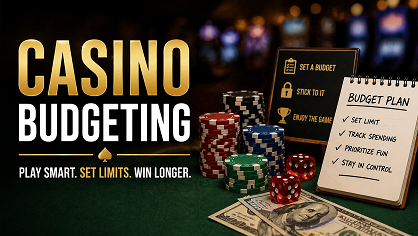
Understand Responsible Gambling and Financial Boundaries
Casinos are commercial entertainment venues, and gambling activities involve the possibility of losing money. Games do not provide guaranteed earnings, regardless of previous outcomes or a participant’s familiarity with their rules. Understanding this financial uncertainty is an important part of discussing casino environments responsibly.
Losing money can lead some people to feel pressure to continue participating in the hope of recovering earlier losses. This behavior can increase financial harm rather than solve the original problem. Visitors should recognize that gambling outcomes are uncertain and that losses cannot be reliably reversed through continued play.
Responsible conduct also involves respecting other people’s financial privacy and personal choices. Guests should never pressure friends or strangers to participate in gambling activities. Individuals concerned about gambling-related harm can seek assistance from appropriate support services, while minors should not participate in age-restricted gambling.
Respect the Casino’s Smoking Policies
Smoking regulations differ depending on local laws and the rules established by individual properties. Some casinos operate entirely smoke-free facilities, while others designate particular areas where smoking is permitted. Guests should follow posted signs rather than assuming that smoking is allowed throughout the building.
Smoke can affect the comfort of nearby visitors, particularly those who prefer clean-air environments. Using tobacco products outside authorized areas may violate property policies or local regulations. Similar restrictions may apply to electronic cigarettes and vaping devices.
Visitors should respect designated smoke-free sections, entrances, restaurants, and shared facilities. If the policy is unclear, employees can explain where smoking restrictions apply. Following these requirements demonstrates consideration for other guests and helps maintain a comfortable public environment.
Be Considerate When Visiting Casino Restaurants and Lounges
Casino resorts often include dining facilities, cafes, entertainment lounges, and hotel services that operate independently from gaming areas. These spaces may have their own reservation procedures, dress codes, and customer service expectations. Understanding these differences can make a first-time visit more comfortable.
Guests should respect restaurant seating arrangements, speak politely with service employees, and avoid disturbing nearby tables. Loud conversations, excessive noise, and blocking walkways can negatively affect the dining experience. Visitors should also be mindful of scheduled reservations and the venue’s stated operating policies.
When attending a performance or special event, arriving according to venue instructions helps support an orderly experience. Photography, seating, and movement may be restricted during certain activities. Following these requirements allows visitors to enjoy casino hospitality without interfering with other guests.
Common Casino Etiquette Mistakes to Avoid
First-time visitors sometimes make mistakes simply because they are unfamiliar with casino procedures. Common examples include touching another person’s belongings, interrupting employees, ignoring posted signs, or standing too close to occupied spaces. These actions may appear minor but can create discomfort or interfere with established operations.
Another frequent misunderstanding involves assuming that every casino follows identical policies. Rules concerning photographs, clothing, phones, smoking, and restricted areas differ considerably across destinations. Relying on assumptions from movies or other entertainment can result in avoidable confusion.
Visitors should also avoid treating gambling outcomes as entertainment for bystanders without considering the people involved. Celebrating another person’s loss, making personal comments, or pressuring someone to participate is inappropriate. Respectful behavior focuses on privacy, courtesy, and consideration rather than drawing unnecessary attention.
How to Feel Comfortable on Your First Casino Visit
Feeling unfamiliar with casino surroundings is normal, particularly when entering a large entertainment complex for the first time. The property may contain multiple floors, restricted sections, restaurants, and performance spaces. Reviewing visitor information can make the layout and available services easier to understand.
Guest services representatives can often answer general questions about facilities, accessibility, dress requirements, and property policies. Maps and directional signs may also help visitors identify public spaces and authorized entrances. Understanding the environment reduces the need to make assumptions about unfamiliar procedures.
A comfortable experience does not require participating in gambling activities. Many casino resorts offer dining, live performances, shopping, exhibitions, and other forms of entertainment. Focusing on personal interests while respecting venue restrictions allows visitors to experience the property without feeling obligated to participate in every available activity.
Conclusion
Casino etiquette is primarily about respecting people, following established rules, and remaining considerate in shared spaces. Understanding dress codes, photography restrictions, security procedures, and appropriate communication helps first-time visitors avoid unnecessary misunderstandings. These expectations apply across gaming floors, restaurants, entertainment areas, and other facilities within a casino property.
Good manners also involve protecting personal boundaries, respecting employees, and responding calmly to disagreements. Visitors should avoid touching other people’s belongings, disrupting activities, or ignoring venue instructions. Small acts of courtesy can make a meaningful difference to the atmosphere of a busy entertainment environment.
Every casino has its own policies, so visitors should confirm relevant requirements instead of relying on assumptions. Gambling areas are age-restricted in many jurisdictions, and financial activities carry risks that deserve careful consideration. Whether attending an event or exploring a casino resort, respectful behavior remains the foundation of a positive visit.
Frequently Asked Questions (FAQs)
What Should You Know Before Visiting a Casino for the First Time?
First-time visitors should understand the property’s age restrictions, identification requirements, dress code, and photography policies. Respecting employees, personal space, and restricted areas helps prevent common misunderstandings.
Is There a Dress Code for Casinos?
Casino dress codes vary by property and occasion. Casual clothing may be acceptable in some areas, while luxury restaurants or special events may require more formal attire.
Can You Take Pictures Inside a Casino?
Photography policies differ between casinos and individual areas within a property. Some venues restrict filming on gaming floors to protect privacy and security, so visitors should confirm the rules before recording.
Is Tipping Mandatory at a Casino?
Tipping expectations depend on local customs, service arrangements, and property policies. Gratuities may be common in certain hospitality settings, but visitors should check applicable service charges and regulations rather than assuming tipping is mandatory.
What Is Considered Rude Behavior in a Casino?
Common examples include shouting at employees, touching other guests’ belongings, interrupting activities, ignoring posted restrictions, and invading personal space. Courtesy and respect are important throughout the property.