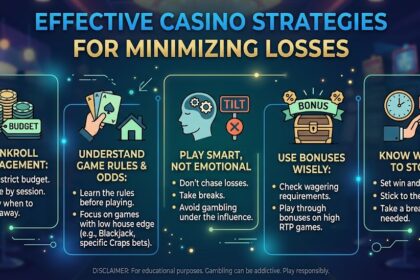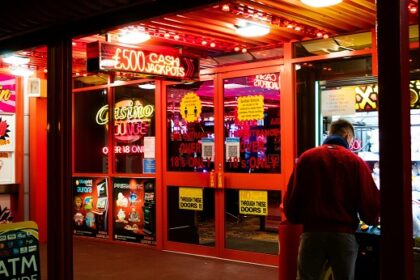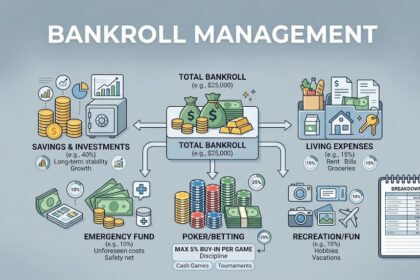



Alcohol can influence the way people think, react, and make decisions, particularly in environments involving excitement and financial uncertainty. Casinos are designed around entertainment, social interaction, and activities that involve monetary risks. When alcohol consumption and gambling occur together, impaired judgment may make it harder for individuals to recognize spending limits and evaluate potential consequences.
Understanding how alcohol can influence casino spending is important for recognizing the relationship between impaired decision-making and financial behavior. Alcohol affects attention, self-control, risk perception, and the ability to evaluate situations carefully. These changes may contribute to impulsive gambling decisions, unexpected financial losses, and difficulty recognizing when gambling has become harmful.
Although the effects of alcohol vary between individuals, combining drinking with gambling can increase the likelihood of poor financial choices. Learning about these risks helps people understand how alcohol-related impairment affects spending behavior. This article explores the psychological, behavioral, and financial consequences of alcohol-influenced gambling, along with warning signs and healthier approaches to managing financial decisions.
How Alcohol Affects Decision-Making in Casinos
Alcohol influences brain functions involved in attention, judgment, impulse control, and decision-making. As impairment increases, individuals may find it more difficult to consider the possible consequences of their actions. In a casino environment, this can affect how people evaluate financial uncertainty and respond to gambling outcomes.
Gambling already involves decisions influenced by chance, expectations, and emotional responses. Alcohol can add another layer of difficulty by reducing the ability to assess those factors carefully. Someone who would normally consider their financial responsibilities may become more focused on immediate excitement than on possible losses.
These effects do not occur identically in every person because impairment depends on several individual and situational factors. However, alcohol-related changes in judgment are well established. Understanding these effects helps explain why financial decisions made while drinking may differ from choices someone would make when fully alert.
Why Alcohol Can Increase Impulsive Casino Spending
Impulsive spending occurs when someone makes purchases or financial decisions without adequately considering the consequences. Alcohol can weaken the mental processes involved in pausing, evaluating alternatives, and resisting immediate urges. This may increase vulnerability to unplanned gambling expenditure and decisions that conflict with personal financial priorities.
In casino settings, excitement and rapidly changing outcomes can contribute to impulsive reactions. Alcohol-related impairment may make it harder to recognize when spending is becoming excessive. The combination of emotional stimulation and reduced self-control can create circumstances where financial decisions become increasingly reactive.
Impulsive gambling does not guarantee that someone will experience financial problems, but it can increase exposure to unnecessary risk. The possibility of losing money remains present regardless of emotional state. Avoiding financial decisions during alcohol-related impairment is a practical way to reduce the likelihood of preventable spending mistakes.
How Alcohol Changes the Perception of Financial Risk
Risk perception involves evaluating the likelihood and consequences of different outcomes. Alcohol can interfere with this process by influencing attention, confidence, and the interpretation of uncertain situations. When gambling is involved, impaired risk perception may cause individuals to underestimate the significance of possible financial losses.
A person who has been drinking may become overly optimistic about uncertain outcomes or pay less attention to the possibility of losing money. This does not change the underlying probabilities of gambling activities. Instead, alcohol may change how those probabilities and their consequences are understood.
Accurate financial judgment requires recognizing uncertainty and considering how losses could affect everyday responsibilities. Alcohol-related impairment can make that assessment less reliable. Understanding the difference between perceived opportunity and actual probability is essential for recognizing why drinking and gambling can be a financially harmful combination.
The Connection Between Alcohol and Gambling Confidence
Alcohol can influence confidence by reducing inhibitions and changing how people evaluate their own abilities. In some situations, individuals may feel more certain about decisions even when their judgment has become less reliable. This mismatch between confidence and actual decision quality can be particularly concerning during gambling.
Feeling confident does not increase the likelihood of winning games governed by chance. However, someone experiencing alcohol-related impairment may interpret ordinary outcomes as evidence that their decisions are working. This can encourage unrealistic expectations and reduce attention to potential financial consequences.
Confidence should not be confused with accurate understanding or effective financial judgment. Gambling outcomes remain uncertain regardless of how strongly someone believes in a particular result. Recognizing this distinction can help prevent misplaced confidence from influencing spending decisions in environments where money is at risk.
Why Casino Environments Can Make Spending Harder to Monitor
Casinos often contain stimulating sounds, lighting, social activity, and entertainment designed to create an engaging atmosphere. These environmental features can influence attention and make it easier to become absorbed in ongoing activities. When alcohol is also involved, maintaining awareness of spending may become more difficult.
Some people may focus on the immediate experience rather than how much money they have already spent. Alcohol-related impairment can further reduce attention to financial details and time. This combination may make it harder to recognize patterns of spending that would normally cause concern.
The effects vary depending on the individual and environment, but the underlying financial risks remain important. Money spent on gambling cannot be assumed recoverable through future outcomes. Maintaining separation between alcohol consumption and financial risk-taking helps reduce situations where impaired attention affects important decisions.
How Alcohol Can Affect Self-Control During Gambling
Self-control involves managing impulses and making choices that reflect personal priorities and longer-term consequences. Alcohol can interfere with the mental processes needed to evaluate immediate urges. This may make it harder for someone to stop an activity that has become financially or emotionally concerning.
In gambling environments, self-control is especially important because outcomes are uncertain and financial losses can accumulate. Alcohol-related impairment may reduce the ability to recognize when continued spending is no longer consistent with personal circumstances. The result can be decisions that would otherwise have been reconsidered.
Reduced self-control is not limited to gambling, as alcohol can influence behavior across many situations. However, financial risk creates additional consequences when judgment becomes impaired. Recognizing the potential effects of alcohol supports safer decisions about avoiding gambling and other significant financial activities while drinking.
The Relationship Between Alcohol and Chasing Losses
Chasing losses occurs when someone continues gambling in an attempt to recover money already lost. This behavior can be influenced by frustration, disappointment, and unrealistic expectations. Alcohol may intensify the problem by reducing impulse control and making it harder to evaluate the consequences of further spending.
Previous gambling losses do not make future wins more likely in independent games of chance. Nevertheless, someone who has been drinking may become more focused on recovering money than on understanding this uncertainty. Emotional reactions and impaired judgment can combine to encourage increasingly risky choices.
Chasing losses can lead to additional financial difficulties because it introduces further exposure to unpredictable outcomes. Recognizing the desire to recover losses through gambling is an important warning sign. Stepping away from gambling and seeking support when needed can help prevent a harmful pattern from continuing.
How Alcohol Influences Emotional Reactions to Gambling
Gambling can create strong emotional reactions because outcomes involve uncertainty and financial consequences. People may experience excitement, disappointment, frustration, or regret depending on what happens. Alcohol can affect emotional regulation and make these reactions more difficult to manage.
A disappointing result may feel more frustrating when someone is experiencing alcohol-related impairment. Similarly, a positive outcome may produce excessive confidence that influences later decisions. These emotional changes can interfere with thoughtful evaluation of financial risks and encourage reactive behavior.
Healthy emotional regulation involves recognizing feelings without allowing them to control important decisions. Alcohol can make this process more challenging, particularly in highly stimulating environments. Understanding these effects helps explain why gambling while drinking may create additional emotional stress instead of providing lasting enjoyment.
Why Alcohol Can Lead to Unexpected Financial Losses
Unexpected financial losses can occur when spending decisions are made without carefully considering available resources and potential consequences. Alcohol may reduce attention to how much money is being used during gambling. This can make it easier for individuals to spend beyond what they would otherwise consider appropriate.
Financial losses become particularly concerning when gambling expenditure affects essential responsibilities. Money intended for bills, savings, education, or household needs should not be exposed to uncertain outcomes. Alcohol-related impairment may make these priorities less noticeable during emotionally stimulating activities.
The most reliable way to avoid alcohol-influenced casino spending is to keep drinking separate from gambling decisions. Financial responsibilities should be considered when judgment is clear. Recognizing that gambling cannot provide dependable income also helps prevent unrealistic expectations from influencing important money-related choices.
The Role of Social Pressure in Drinking and Gambling
Social environments can influence behavior by creating expectations about participation, spending, and group activities. People may feel encouraged to follow the behavior of friends or other participants, even when they would normally make different choices. Alcohol can make resisting unwanted social pressure more difficult.
In casino environments, group excitement may contribute to impulsive decisions about money. Individuals may become less attentive to personal concerns when trying to remain involved in an activity. Drinking can further influence confidence and judgment, increasing the possibility of choices that do not reflect individual preferences.
Healthy social relationships should allow people to decline activities without criticism or pressure. Choosing not to participate in gambling is a reasonable financial and personal decision. Supportive friends and family members can help create social experiences that do not depend on alcohol consumption or financial risk.
How Alcohol Can Affect Memory and Spending Awareness
Alcohol can interfere with attention and memory, particularly as intoxication increases. These effects may make it difficult to recall details accurately or maintain awareness of ongoing activities. In financial settings, reduced attention can affect the ability to understand how individual decisions contribute to overall spending.
Someone experiencing impairment may have difficulty remembering previous financial choices or recognizing the cumulative consequences of repeated transactions. This can create confusion when reviewing spending afterward. The problem is especially concerning when money is involved because decisions may have consequences that cannot easily be reversed.
Accurate financial management depends on clear awareness of transactions and responsibilities. Alcohol-related memory and attention problems can undermine that awareness. Avoiding gambling while impaired helps prevent situations in which important spending decisions are made without reliable understanding or recall.
Understanding the Long-Term Financial Effects
The financial effects of alcohol-influenced gambling can extend beyond a single visit to a casino. Repeated impulsive decisions may contribute to reduced savings, unpaid obligations, or ongoing financial stress. The severity of these consequences depends on individual circumstances and the frequency of harmful behavior.
Financial difficulties can also affect relationships and everyday responsibilities. When unexpected gambling losses create pressure, individuals may experience worry, frustration, or conflict with family members. Repeated alcohol-related impairment can make it harder to address these concerns through consistent financial decision-making.
Preventing long-term problems involves recognizing risky patterns early and responding appropriately. Practical budgeting support, trusted conversations, and professional guidance can help address financial concerns. Avoiding gambling during alcohol consumption removes one factor that may contribute to repeated harmful spending decisions.
Recognizing Warning Signs of Alcohol-Influenced Gambling
Warning signs may appear when someone repeatedly combines drinking with financial gambling activities despite negative consequences. Examples include spending unexpectedly, regretting decisions afterward, or finding it difficult to stop participating. Changes in financial behavior following alcohol consumption deserve careful attention.
Another warning sign involves using drinking or gambling to escape emotional discomfort. When these activities become connected to stress, loneliness, or frustration, they may create additional difficulties. Financial uncertainty and alcohol-related impairment can reinforce unhealthy patterns rather than resolve the underlying concern.
Not every individual recognizes these changes immediately, particularly when problematic behavior develops gradually. Honest reflection and conversations with trusted people can help identify concerns. When alcohol use or gambling begins interfering with finances, relationships, or everyday responsibilities, professional support may be appropriate.
Why Gambling and Alcohol Should Be Kept Separate
Alcohol and gambling both introduce circumstances that can influence behavior, but their combination creates particular concerns around financial judgment. Gambling involves uncertainty, while alcohol can interfere with the ability to evaluate risks. Keeping these activities separate helps reduce situations where impairment affects decisions involving money.
Financial choices are generally more reliable when people can consider consequences clearly and understand the information available. Alcohol-related impairment may weaken these abilities even when someone feels confident. Avoiding gambling during or after drinking is therefore a sensible protective decision.
Choosing not to gamble while drinking does not require complicated rules or detailed financial calculations. It involves recognizing that impaired judgment and financial uncertainty are a poor combination. This approach supports personal well-being and reduces unnecessary exposure to impulsive spending decisions.
Healthier Alternatives to Gambling While Drinking
Social enjoyment does not have to involve gambling or other activities that place money at risk. People can choose entertainment that supports relaxation and meaningful interaction without introducing unpredictable financial consequences. Selecting suitable alternatives can help separate social experiences from impulsive spending.
Activities such as watching films, attending cultural events, enjoying music, or spending time with friends provide opportunities for connection. Alcohol-free gatherings and recreational experiences can also create enjoyable social environments. The goal is to choose activities that feel comfortable and do not depend on financial uncertainty.
When someone is already experiencing emotional distress, supportive conversations and calming routines may be more helpful than stimulating activities. Meaningful hobbies, rest, and appropriate professional support can address underlying concerns. These alternatives provide opportunities for enjoyment without relying on gambling outcomes or alcohol-related impairment.
How Friends and Family Can Provide Support
Friends and family members may notice changes in behavior before someone fully recognizes the consequences of alcohol-influenced gambling. Supportive conversations can help individuals reflect on financial decisions and emotional concerns. Approaching the subject with patience and respect encourages more constructive communication.
Loved ones can express concerns using specific observations rather than personal criticism. They may also help someone identify appropriate support services or explore healthier social activities. However, providing support does not require accepting harmful behavior or taking responsibility for another person’s financial obligations.
Healthy boundaries are important when gambling or alcohol use affects shared finances and relationships. Families may benefit from professional guidance when conflicts become difficult to resolve independently. Supportive communication, realistic expectations, and appropriate assistance can help address concerns while protecting everyone involved.
When to Seek Help for Gambling or Alcohol Concerns
Professional support may be helpful when alcohol consumption or gambling becomes difficult to control. Repeated financial losses, relationship problems, and interference with everyday responsibilities are important warning signs. Seeking guidance can help individuals understand harmful patterns and explore appropriate ways to change them.
Qualified healthcare professionals and specialized counselors can assess concerns related to alcohol use, gambling behavior, and emotional well-being. Support approaches vary according to individual needs and circumstances. Professional guidance may involve developing healthier coping skills, addressing financial problems, and strengthening supportive routines.
People do not need to wait until serious consequences occur before asking for assistance. Early support can help prevent additional difficulties and provide practical direction. Recognizing when alcohol and gambling are affecting quality of life is an important step toward making healthier decisions.
Building Better Financial Decision-Making Habits
Healthy financial decision-making involves understanding personal priorities, recognizing uncertainty, and considering the possible consequences of spending. Alcohol can interfere with these processes, making it important to avoid significant financial choices during impairment. Developing consistent money-management habits can provide additional protection against impulsive behavior.
Practical habits include reviewing financial responsibilities regularly and seeking reliable information before making important decisions. People experiencing financial pressure may benefit from budgeting assistance or advice from a qualified professional. These approaches address financial concerns directly rather than relying on uncertain gambling outcomes.
Long-term financial well-being depends on thoughtful choices, realistic expectations, and the ability to respond appropriately when difficulties arise. Recognizing the influence of alcohol on judgment is part of this process. Choosing activities that do not combine impaired decision-making with financial risk can support greater stability and peace of mind.
Conclusion
Alcohol can influence casino spending by affecting judgment, self-control, emotional regulation, and the perception of financial risk. These changes may increase impulsive behavior and make it harder to recognize the consequences of gambling decisions. Because gambling outcomes remain uncertain, alcohol-related confidence does not improve the likelihood of winning money.
Understanding the relationship between alcohol and gambling helps explain why the combination can create financial and emotional difficulties. Warning signs such as chasing losses, unexpected spending, and repeated regret should be taken seriously. Avoiding gambling while impaired and recognizing harmful patterns can help prevent additional problems.
The most reliable approach is to keep alcohol consumption separate from gambling and other significant financial decisions. Healthier recreational activities, supportive relationships, and practical money-management habits provide alternatives that do not depend on uncertain outcomes. When gambling or alcohol use becomes difficult to manage, seeking appropriate professional support can help protect long-term well-being.
FAQs
How does alcohol affect casino spending?
Alcohol can impair judgment, reduce self-control, and change how people perceive financial risks. These effects may increase impulsive casino spending and make it harder to recognize potential losses.
Does alcohol make people take more gambling risks?
Alcohol can increase risk-taking in some individuals by affecting attention, confidence, and decision-making. However, its effects vary, and drinking does not improve the probability of winning gambling activities.
Why is gambling after drinking a bad idea?
Gambling after drinking can combine impaired judgment with financial uncertainty. This may lead to unplanned spending, difficulty evaluating consequences, and increased vulnerability to harmful decisions.
Can alcohol contribute to chasing gambling losses?
Yes, alcohol-related impairment may reduce impulse control and increase emotional reactions to losses. This can make it harder to resist the urge to continue gambling in hopes of recovering money.
What should someone do if drinking affects their gambling behavior?
They should avoid combining alcohol with gambling and consider discussing concerns with someone trustworthy. Professional support may be helpful if repeated spending problems or difficulty controlling behavior occur.