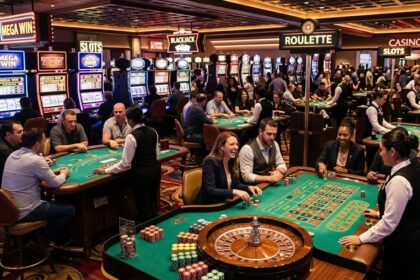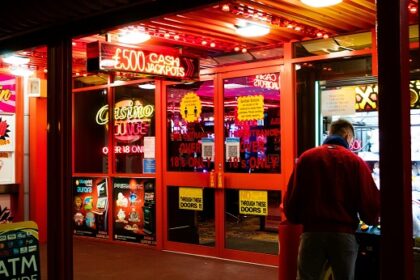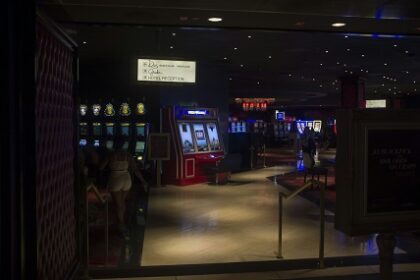



Casinos are busy entertainment venues where many people gather to enjoy games, social activities, and special events. With conversations, movement, and various distractions happening simultaneously, maintaining respectful behavior helps create a more comfortable environment for everyone. Understanding proper casino etiquette is especially important in shared spaces where one person’s actions can affect another person’s concentration and enjoyment.
Knowing how to avoid disrupting other players at a casino involves more than simply speaking quietly. It includes respecting personal space, following establishment policies, avoiding unnecessary interruptions, and treating staff and visitors courteously. Whether someone is observing casino activities or attending an event at an adult-only gaming venue, thoughtful behavior can make the overall atmosphere more pleasant.
Understanding the Importance of Casino Etiquette
Casino etiquette refers to the social expectations and behavioral guidelines that help maintain order and respect within gaming establishments. These expectations encourage visitors to remain considerate of other people while using shared facilities. Understanding basic courtesy is particularly important in crowded environments where unnecessary distractions can create frustration, confusion, or uncomfortable interactions between guests.
Different casino environments have their own atmosphere, policies, and expectations regarding visitor behavior. A quiet gaming room may require greater attention to noise levels than a busy entertainment lounge. Recognizing these differences helps people understand why certain behaviors may be acceptable in one area but inappropriate in another, especially when guests need concentration or privacy.
Respectful behavior contributes to an environment where visitors and employees can interact without unnecessary tension. Small actions such as allowing people enough personal space, speaking politely, and following posted instructions can make a noticeable difference. Casino etiquette is ultimately about consideration for others rather than complicated traditions, making its basic principles relevant to many public entertainment settings.
Keep Conversations at a Respectful Volume
Excessively loud conversations can interrupt concentration and make shared gaming areas uncomfortable for nearby visitors. Although casinos naturally contain background noise, shouting across tables or speaking loudly beside someone can still become distracting. Maintaining an appropriate conversational volume demonstrates consideration for people who may be focused on activities, communicating with employees, or simply enjoying the surroundings.
Group conversations sometimes become louder when visitors are excited, especially during busy entertainment events. However, enthusiasm does not require shouting, repeatedly calling across a room, or creating disturbances near other guests. Moving longer conversations to an appropriate lounge or social area can help maintain a comfortable atmosphere without preventing friends from enjoying their time together.
Mobile phone conversations can also create unnecessary distractions when conducted directly beside occupied gaming areas. Speaking through headphones or using a speakerphone at high volume may disturb several nearby people simultaneously. Choosing a designated conversation area and keeping personal discussions reasonably quiet helps protect the comfort and privacy of everyone sharing the establishment.
Respect Other Players’ Personal Space
Personal space is an important part of maintaining a comfortable atmosphere inside crowded casino environments. Standing extremely close to another person, leaning over their shoulder, or repeatedly looking at their belongings may cause discomfort. Respecting reasonable physical boundaries allows people to enjoy their surroundings without feeling watched, crowded, or pressured by nearby visitors.
When observing activities in a public gaming area, remaining within designated viewing spaces helps prevent unnecessary interference. Blocking someone’s view, standing in a narrow passage, or leaning across occupied seating can disrupt movement and concentration. Visitors should also avoid touching another person’s chair, personal property, or gaming materials without explicit permission.
Busy venues occasionally make it difficult to maintain as much distance as everyone would prefer. In these situations, polite communication and patience can prevent minor inconveniences from becoming arguments. A brief apology when accidentally bumping someone or stepping into their space demonstrates awareness and consideration, helping maintain a more welcoming atmosphere for everyone.
Avoid Interrupting Games and Concentration
Gaming environments often require participants and employees to concentrate on ongoing activities and communicate clearly. Interrupting conversations, calling for someone’s attention, or repeatedly asking unrelated questions can distract people at inconvenient moments. Respecting these moments allows employees to maintain orderly operations while reducing avoidable misunderstandings among visitors who are focused on their surroundings.
Visitors sometimes become curious about unfamiliar equipment, activities, or procedures taking place around them. However, asking questions while employees are handling an active situation may interfere with their responsibilities. Waiting until an appropriate pause or approaching a designated information desk provides a more considerate way to seek general information without interrupting others.
Unnecessary physical gestures can also create distractions, particularly when someone reaches across shared surfaces or points closely at another person’s belongings. Keeping movements controlled and remaining aware of nearby people reduces accidental interference. Courtesy in these situations is based on allowing others to concentrate without unwanted conversations, gestures, or sudden interruptions.
Be Mindful of Mobile Phones and Photography
Smartphones are useful for communication, but careless phone use can disturb people in shared entertainment spaces. Loud notifications, repeated camera flashes, and lengthy video calls may interrupt nearby visitors. Keeping devices on silent or vibration mode and avoiding unnecessary screen brightness can make the environment more comfortable for others, particularly in quieter indoor areas.
Photography and video recording require additional consideration because casinos may have strict policies protecting guest privacy and venue security. Recording other visitors without consent can make them uncomfortable or violate establishment rules. Before taking photographs, visitors should check posted policies and seek appropriate permission rather than assuming recording is allowed throughout the property.
Personal conversations and private information should also be respected when using mobile devices in crowded environments. Broadcasting another person’s activities, recording arguments, or sharing identifiable images without permission may create unnecessary conflict. Thoughtful phone use protects personal boundaries while allowing shared spaces to remain comfortable for people who do not wish to appear in recordings.
Treat Casino Dealers and Staff with Courtesy
Casino employees are responsible for maintaining an organized environment, communicating policies, and responding to visitor concerns. Speaking respectfully to dealers, security personnel, and customer service employees helps these interactions remain clear and professional. Aggressive language, repeated interruptions, or inappropriate personal comments can disturb employees and create unnecessary tension for surrounding guests.
Employees may need to concentrate on several responsibilities while managing questions from different visitors. Allowing them to finish their current duties before raising unrelated concerns demonstrates patience and awareness. When clarification is necessary, using a calm tone and asking concise questions can help prevent confusion without creating disruptions for others nearby.
Disagreements involving venue rules or employee decisions should be addressed through appropriate customer service channels. Public arguments, personal insults, or attempts to pressure staff can quickly disturb nearby visitors. Requesting assistance from a supervisor when necessary provides a more constructive alternative that respects both the employee’s responsibilities and the comfort of other guests.
Keep Walkways and Shared Areas Clear
Casinos often contain narrow pathways between seating areas, entertainment sections, restaurants, and other facilities. Blocking these routes can inconvenience visitors and employees who need to move through the property safely. Remaining aware of surrounding traffic and avoiding unnecessary gatherings in passageways helps maintain accessibility, comfort, and orderly movement throughout busy indoor spaces.
Large groups may unintentionally obstruct walkways when stopping to discuss plans or wait for other people. Moving to a designated meeting space or a less crowded location helps prevent congestion. This consideration becomes particularly important near entrances, elevators, restrooms, and emergency exits, where clear access supports both convenience and general visitor safety.
Personal belongings can also create obstacles when left on floors, empty seats, or narrow pathways. Bags, jackets, and other items should remain within appropriate storage areas rather than blocking movement. Keeping shared spaces organized allows guests and employees to navigate comfortably while reducing the likelihood of accidental trips, misplaced belongings, or avoidable interruptions.
Handle Food, Drinks, and Belongings Carefully
Food and beverages are common in entertainment venues, but careless handling can inconvenience nearby visitors. Spilled drinks, scattered packaging, and unattended containers can create unpleasant conditions in shared seating areas. Using designated surfaces and keeping refreshments away from other people’s belongings helps maintain cleanliness while reducing the possibility of accidental damage or uncomfortable interactions.
Strong food odors, messy eating habits, and unnecessary clutter may also affect the comfort of people sitting nearby. Some venues provide designated dining areas to separate meals from other activities. Following these arrangements and disposing of waste appropriately demonstrates respect for the facility, its employees, and the visitors who will use the same space afterward.
Personal belongings deserve similar attention because crowded environments increase the likelihood of accidental contact or misplaced items. Avoid spreading jackets, bags, or accessories across shared surfaces where others need room. Keeping possessions close, organized, and appropriately stored reduces interruptions while allowing surrounding guests to enjoy the available space without unnecessary inconvenience.
Avoid Unsolicited Advice and Personal Comments
Offering unwanted opinions can make other visitors uncomfortable, especially when comments concern personal decisions or activities. Even well-intentioned suggestions may feel intrusive when someone has not requested assistance. Respecting individual boundaries means recognizing that other people may prefer privacy, quiet concentration, or minimal interaction while spending time in a public entertainment setting.
Comments about someone’s financial circumstances, behavior, appearance, or personal choices can create embarrassment or unnecessary tension. Publicly criticizing another visitor may also attract unwanted attention and disturb surrounding guests. A more respectful approach involves avoiding personal judgments and allowing individuals to make their own decisions without pressure from strangers or casual acquaintances.
Friendly conversations are possible without crossing personal boundaries or interfering with ongoing activities. If someone appears uninterested, gives short responses, or returns their attention elsewhere, respecting those signals is appropriate. Social awareness helps prevent misunderstandings, allowing people with different personalities and preferences to share the same environment comfortably without feeling obligated to interact.
Respond Calmly to Mistakes and Disagreements
Misunderstandings can occur in any crowded venue, particularly when noise, movement, and unfamiliar surroundings make communication difficult. Responding with frustration or raised voices may turn a small inconvenience into a larger disturbance. Remaining calm and addressing the immediate concern politely helps protect the atmosphere for other visitors who are not involved in the situation.
If someone accidentally blocks a walkway, bumps a chair, or interrupts a conversation, a respectful response is usually more productive than confrontation. Clear communication gives the person an opportunity to correct the issue. Minor mistakes are easier to resolve when everyone focuses on practical solutions instead of assigning blame or escalating an uncomfortable exchange.
When disagreements become difficult to manage, trained employees or security personnel can provide appropriate assistance. Attempting to settle heated conflicts publicly may increase tension and place nearby visitors in an uncomfortable position. Following staff directions and moving away from confrontational situations supports a safer, more orderly environment for both guests and employees.
Follow Casino Rules and Age Restrictions
Every casino operates under specific policies governing visitor behavior, restricted areas, recording, security, and access to gambling facilities. These rules may vary depending on local laws and the type of establishment. Understanding that casinos are regulated adult environments is essential, since entry and gambling activities are subject to applicable minimum-age requirements and other legal restrictions.
Posted signs and staff instructions help visitors understand expectations within different sections of a property. Ignoring restricted-area notices, obstructing security procedures, or disregarding accessibility requirements can interfere with normal operations. Respecting these policies protects other guests and allows employees to carry out their responsibilities without unnecessary confrontations or repeated requests for cooperation.
General courtesy should extend beyond gaming areas to restaurants, entertainment spaces, waiting areas, and other shared facilities. Following venue policies, respecting privacy, and behaving responsibly helps create a more pleasant atmosphere. Ultimately, compliance with established rules and legal age restrictions is a basic part of maintaining respect for the people and communities affected by casino operations.
Conclusion
Understanding how to avoid disrupting other players at a casino begins with practicing ordinary courtesy in a busy public environment. Respecting personal space, controlling conversation volume, and avoiding unnecessary interruptions contribute to a more comfortable atmosphere. These simple behaviors reduce distractions and help visitors interact without creating avoidable tension or interfering with the responsibilities of employees.
Thoughtful phone use, respect for staff, and awareness of shared spaces are equally important elements of casino etiquette. Small actions such as keeping pathways clear, handling belongings carefully, and avoiding unsolicited comments can make a noticeable difference. When disagreements occur, calm communication and cooperation with venue personnel are generally more constructive than confrontation.
A respectful environment depends on people recognizing that their actions affect others around them. Following establishment policies, observing legal age restrictions, and maintaining appropriate boundaries support safety and comfort across shared areas. Although casino settings have particular expectations, the broader principles of patience, consideration, and responsible public behavior apply to many entertainment venues.
Frequently Asked Questions (FAQs)
What Is Considered Rude Behavior at a Casino?
Common examples include shouting, invading personal space, interrupting employees, touching other people’s belongings, and making unwanted comments. Such behavior can disturb nearby visitors and create unnecessary tension in shared areas.
Can You Use Your Phone Inside a Casino?
Phone policies vary between establishments and areas within the same property. Visitors should follow posted rules, avoid recording others without permission, and keep calls or notifications from disturbing nearby people.
Why Is Personal Space Important in Casino Etiquette?
Respecting personal space helps visitors feel comfortable, maintain privacy, and avoid accidental interference. Crowded environments make awareness especially important because leaning over others or blocking their movement can quickly create frustration.
How Should Disagreements Be Handled in a Casino?
Disagreements should be addressed calmly and respectfully without shouting or confronting other visitors aggressively. When an issue cannot be resolved easily, appropriate venue employees or security personnel can provide assistance.
What Are the Most Important Casino Etiquette Rules?
Important principles include respecting others, limiting unnecessary noise, following venue policies, treating employees courteously, and keeping shared areas accessible. Visitors must also observe applicable age restrictions and avoid interfering with others’ activities.