

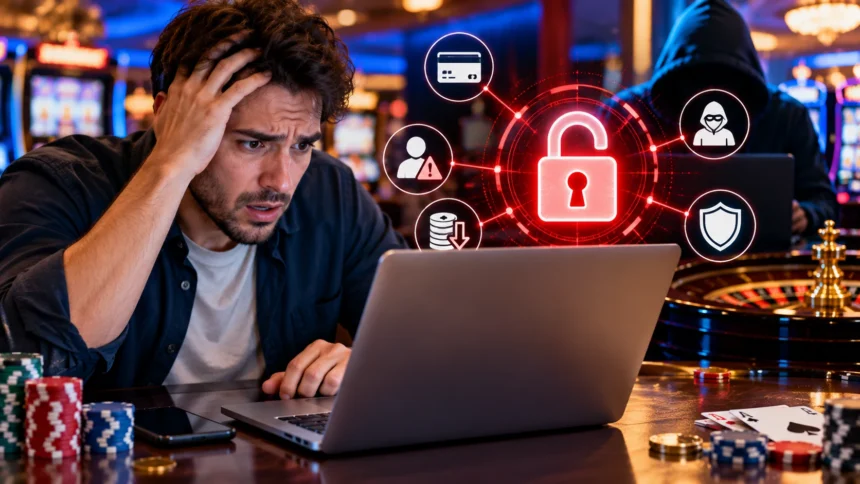
Discovering that an online casino account has been compromised can be stressful, especially when personal information, passwords, or financial details may be exposed. Cybercriminals sometimes gain unauthorized access through phishing emails, stolen credentials, malware, or weaknesses in account security. Understanding how to respond can help reduce potential harm and prevent further misuse of sensitive information.
Knowing what to do if your casino account is compromised is an important part of online cybersecurity awareness. Unauthorized access may involve unfamiliar transactions, unexpected password changes, suspicious notifications, or unusual login activity. Taking appropriate action quickly can help protect connected financial accounts and preserve important evidence of possible fraud.
Account security problems should be addressed carefully rather than through unfamiliar links or unsolicited messages. This guide explains how to recognize a compromised account, protect sensitive information, report unauthorized activity, and reduce the likelihood of future security incidents. The same principles can also help protect other online accounts and digital services.
How to Know If Your Casino Account Has Been Compromised
One of the first signs of a compromised account is activity that you do not recognize. Unexpected password reset notifications, unfamiliar login alerts, or changes to registered contact information may indicate unauthorized access. A sudden inability to access an account can also be concerning, particularly when you have not requested any security changes.
Financial irregularities are another important warning sign. You might notice unfamiliar charges, unexpected payment notifications, or changes involving stored financial information. These events do not always prove an account has been breached, but they deserve investigation because unauthorized transactions may create financial losses or expose additional personal details.
Suspicious communications can also reveal possible security problems. Emails claiming that account details have changed or that verification information has been updated should be examined carefully. Instead of following unexpected links, confirm whether the notification is genuine through independently verified support channels or information already available in your financial records.
1. Stop Interacting With Suspicious Messages Immediately
When you suspect an account has been compromised, avoid responding to unfamiliar emails, text messages, or online notifications requesting sensitive information. Cybercriminals sometimes send messages that appear to offer security assistance while attempting to collect additional passwords or verification codes. Interacting with these messages can make an existing security incident more serious.
Do not open unexpected attachments or follow links claiming to restore account access instantly. A phishing website may look almost identical to a legitimate service while secretly collecting information entered by visitors. Even professional branding, familiar logos, and convincing support messages cannot guarantee that a communication is trustworthy.
If you have already opened a suspicious website, close it and avoid entering further details. Do not download unfamiliar recovery tools or provide authentication information to someone contacting you unexpectedly. Keeping communication limited to verified channels helps reduce the possibility of additional fraud during an already concerning situation.
2. Secure Your Email Account and Related Passwords
Your email account is particularly important because many online services use email addresses for password resets and security notifications. If someone gains access to your email, they may be able to interfere with multiple connected accounts. Protecting your primary email should therefore be an early priority after discovering possible unauthorized activity.
Change your email password using a trusted device and the email provider’s official security settings. Choose a strong, unique password that is not used on unrelated services. Review recent account activity, recovery details, and unexpected forwarding rules because attackers sometimes modify these settings to maintain access or intercept messages.
If the compromised account shared a password with other services, update those passwords as well. Password reuse can allow criminals to test stolen credentials across different websites. A reputable password manager can help maintain unique credentials, reducing the risk that one security incident will affect several unrelated accounts.
3. Enable Multifactor Authentication Where Available
Multifactor authentication, often called MFA or two-factor authentication, adds another layer of protection beyond a password. Depending on the service, authentication may involve an authenticator application, security key, or verification code. This additional step can make unauthorized access more difficult when a password has already been exposed.
For your email, banking, and other important accounts, enable the strongest practical authentication method offered by each provider. Authenticator applications and security keys can provide useful protection against certain attacks. However, no method is completely immune to fraud, especially when criminals persuade individuals to reveal their verification information.
Never share authentication codes or recovery details with someone who contacts you unexpectedly. A person claiming to represent technical support should not require your password or secret verification code to investigate a security incident. Protecting these details helps prevent attackers from bypassing safeguards intended to secure your accounts.
4. Contact the Platform Through Verified Support Channels
If an online casino account may have been accessed without permission, report the incident through an independently verified support channel. Explain that you suspect unauthorized access and request information about the provider’s security reporting process. Avoid relying on telephone numbers, email addresses, or links supplied in suspicious messages.
Ask the provider to investigate unfamiliar account activity and explain what protective measures are available. Depending on its policies, the service may be able to restrict access, review account changes, or preserve relevant records. The appropriate response depends on the situation and the company’s procedures for handling security incidents.
If you are under the legal gambling age, do not attempt to access or use a gambling account. If an account has been created using your identity or financial details, tell a trusted adult and seek help reporting the suspected misuse. Protecting personal information does not require participating in gambling activities.
5. Check Bank Statements and Payment Activity
Financial information may be at risk when an online account containing stored payment details is compromised. Review relevant bank statements, card notifications, and other financial records for transactions you do not recognize. Pay attention to small unfamiliar charges as well as larger amounts, because both can indicate potential misuse.
If you identify suspicious financial activity, contact your bank or card issuer through its official support channel. Explain which transactions are unfamiliar and follow the institution’s fraud reporting instructions. Depending on the circumstances, the financial institution may investigate charges, restrict affected payment methods, or explain available dispute procedures.
Avoid sharing full card numbers, banking passwords, or verification codes with anyone claiming to investigate the incident through an unsolicited message. Financial institutions have established identity verification procedures that should be followed through trusted channels. Keeping accurate records of suspicious transactions can also support a formal investigation if additional assistance becomes necessary.
6. Preserve Evidence of Unauthorized Account Activity
Documenting unusual activity can help explain what happened and support investigations into possible fraud. Useful records may include suspicious email messages, security notifications, unfamiliar transaction descriptions, and dates when unauthorized changes were noticed. Keeping this information organized can make communication with financial institutions or security representatives more effective.
Screenshots of suspicious notifications and account-related messages may also provide helpful context. However, avoid sharing screenshots that expose passwords, complete payment details, identification numbers, or private authentication codes. Sensitive information should only be submitted through appropriate official reporting procedures when legitimately required.
Record important communications with support representatives, including case numbers and instructions received through verified channels. Maintaining a clear timeline can help identify when suspicious activity began and what protective steps have already been taken. Accurate documentation is especially valuable when multiple organizations need to investigate the same incident.
7. Check Your Devices for Malware and Security Threats
A compromised account may sometimes be connected to malware, malicious browser extensions, or unsafe software installed on a device. Certain threats can collect login details or interfere with normal browser activity. Checking device security is therefore a useful precaution, particularly if suspicious files or attachments were opened recently.
Run a security scan using reputable protection tools already available on your device. Update the operating system, web browser, and installed applications to address known vulnerabilities. Remove unfamiliar software or extensions only when you can identify them safely, and seek qualified technical assistance if unusual behavior continues.
Avoid downloading programs advertised in unsolicited messages as emergency account recovery solutions. Fraudsters sometimes use security concerns to persuade people to install additional malicious software. Trusted system updates, established protective tools, and professional support provide safer ways to investigate possible device-related security problems.
8. Understand the Risks of Identity Theft
A security breach may expose more than an account password. Depending on the information previously associated with the service, personal details such as a name, address, date of birth, or identification information could also be affected. These details may create identity theft risks if criminals obtain and misuse them.
Identity theft can involve unauthorized financial activity, fraudulent account creation, or attempts to impersonate another person. The seriousness of the risk depends on which information was exposed and whether it can be combined with other stolen records. A compromised account does not automatically mean identity theft has occurred.
If you believe sensitive identification information has been exposed, consult appropriate official identity theft reporting resources or seek assistance from a trusted adult. Financial institutions may also explain protective measures for affected accounts. Responding through verified organizations helps reduce confusion and avoids introducing additional personal information to potential scammers.
9. Recognize Fake Account Recovery Scams
Cybercriminals sometimes target people who have already experienced account security problems. A fake recovery service may claim it can immediately retrieve stolen funds, restore access, or reverse unauthorized transactions. These promises can be particularly persuasive when someone feels worried about financial losses or exposed personal information.
Fraudulent recovery services may request advance payments, passwords, identity documents, or remote access to a device. They may also impersonate investigators, cybersecurity specialists, or customer support representatives. A confident tone or professional-looking website does not establish that a service is genuine or authorized to provide assistance.
Be especially cautious of anyone who contacts you unexpectedly after a suspected security incident. Do not provide remote device access or transfer money to someone promising guaranteed recovery. Verified financial institutions, appropriate authorities, and legitimate technical support services are more suitable places to seek assistance with suspected fraud.
10. Report the Security Incident to Appropriate Authorities
Reporting unauthorized account activity can help establish an official record and support investigations when financial fraud or identity misuse is suspected. The correct reporting organization depends on the country, nature of the incident, and information affected. Some cases may involve a financial institution, consumer protection agency, or cybercrime authority.
When making a report, provide a clear description of the suspicious activity and relevant dates. Include transaction records, support case information, and other appropriate evidence when requested through an official reporting process. Avoid exaggerating uncertain details, because distinguishing confirmed events from suspicions helps investigators assess the situation accurately.
Not every suspicious notification requires a formal criminal complaint, but unauthorized financial transactions and identity theft deserve serious attention. If you are unsure which organization handles a particular incident, seek guidance from an appropriate official service. Prompt reporting may improve the chances of limiting further harm.
11. Prevent Future Account Security Breaches
Long-term account protection begins with consistent cybersecurity habits. Use unique passwords, enable multifactor authentication, and keep software updated on devices that access personal information. Avoid following unfamiliar links in messages about unexpected rewards, urgent security problems, or account verification requirements.
Review security notifications carefully and monitor financial accounts for unfamiliar activity. Treat requests for passwords, verification codes, or sensitive personal information with suspicion, especially when they arrive unexpectedly. Learning to recognize phishing techniques can reduce the likelihood of future credential theft or fraudulent account access.
It is also helpful to review which online services retain personal or financial information that is no longer necessary. Where permitted, request closure of unused accounts and deletion of data that the provider is not legally required to retain. Reducing unnecessary exposure can limit the personal information potentially affected by future security incidents.
Conclusion
Discovering that a casino account has been compromised requires a careful response focused on protecting personal information and financial security. Suspicious login notifications, unfamiliar transactions, and unexpected account changes may indicate unauthorized access. Recognizing these warning signs early can help individuals take appropriate protective action before additional problems develop.
Important steps include securing related email accounts, changing reused passwords, reviewing financial activity, and contacting verified support services. Preserving evidence and reporting suspected fraud can also assist investigations. Avoiding unsolicited recovery offers and protecting authentication details remain essential because scammers sometimes exploit people who are already dealing with security concerns.
The best defense against future account breaches is developing consistent digital safety habits. Strong authentication, regular software updates, phishing awareness, and careful handling of personal data can reduce common risks. By responding thoughtfully and seeking appropriate assistance, individuals can better protect their privacy, finances, and online identities.
Frequently Asked Questions (FAQs)
1. How do I know if my casino account has been hacked?
Warning signs include unfamiliar login notifications, unexpected password changes, unauthorized transactions, and changes to registered contact details. These indicators deserve investigation through verified support and financial security channels.
2. What should I do first if my casino account is compromised?
Stop interacting with suspicious messages, secure your email account, and update any reused passwords. Contact verified support services and check relevant financial records for unauthorized activity.
3. Can hackers steal money from a compromised casino account?
A compromised account may expose stored payment information or enable unauthorized transactions, depending on the service and security controls. Report unfamiliar financial activity promptly to the relevant bank or card issuer.
4. Should I report a compromised casino account to the police?
Reporting may be appropriate when an incident involves financial fraud, identity theft, or other suspected criminal activity. Follow your local cybercrime reporting procedures and preserve relevant evidence for investigators.
5. How can I prevent my online accounts from being hacked again?
Use strong, unique passwords, enable multifactor authentication, update your devices, and avoid suspicious links or attachments. Review account activity regularly and remove unnecessary personal information from unused services.