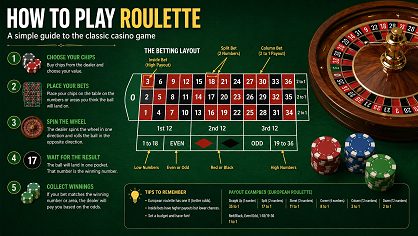



Understanding the Game Rules
One of the most significant pitfalls that new casino players encounter is the lack of understanding of game rules and mechanics. Many individuals enter a casino with excitement and anticipation, often neglecting the crucial step of familiarizing themselves with the specifics of the games they wish to play. This oversight can lead to poor decisions and, ultimately, financial loss.
Casino games, whether they are table games like poker and blackjack or slot machines, each come with unique rules and strategies that govern how they operate. New players are often drawn to the allure of quick wins but may find themselves confused when game mechanics are not fully grasped. For example, knowing when to hit, stand, or double down in blackjack requires a solid foundation in game rules, which can significantly influence the outcome.
Moreover, players who engage with games without understanding their mechanics may miss important aspects such as betting variations, payout ratios, or the significance of specific symbols in slot games. Each game has its own strategies that are essential for maximizing the chances of success. For instance, table games often utilize strategies based on mathematical probabilities that can enhance a player’s potential for victory.
Before stepping into any casino environment, it is advisable for new players to conduct thorough research on the games they intend to explore. Many casinos offer free versions of their games online, which can provide an invaluable opportunity to learn and practice without financial risk. This not only helps players understand the rules but also allows them to develop strategies that can improve their overall experience and effectiveness.
In conclusion, a firm understanding of game rules is a fundamental component of successful casino gaming. By investing time in learning the game mechanics and practicing strategies, new players can significantly enhance their gaming experience and minimize the likelihood of costly mistakes.
Ignoring Bankroll Management
One of the most prevalent mistakes made by new casino players is the neglect of effective bankroll management. A clear and structured approach to managing one’s finances is essential when participating in any form of gambling. Many newcomers enter a casino with excitement and anticipation, often without a well-defined budget or an understanding of how much they can afford to lose. This unpreparedness can lead to significant financial setbacks.
Setting a budget is the first step toward responsible gambling. Players should determine an amount that they can comfortably spend for entertainment purposes, treating it as a form of leisure expenditure rather than a method to generate income. This budget should be adhered to strictly to avoid falling into the trap of chasing losses, a common pitfall among inexperienced gamblers. Chasing losses can lead to emotional decision-making and reckless betting, further exacerbating financial problems.
Furthermore, it is important to establish limits on both losses and winnings. By setting a loss limit, players can protect themselves from spending more than they intend to, while a win limit can help in securing profits before the excitement leads to impulsive bets. For example, if a player sets a limit of $100 for the night, they must refrain from exceeding this amount, thereby ensuring that their gambling remains within an affordable range.
Additionally, implementing a tracking system can help players monitor their spending and gameplay activities. Keeping a record of wins and losses not only assists in recognizing patterns in one’s gambling behavior but also promotes more informed decision-making in future sessions. Ultimately, prioritizing bankroll management is key to fostering a responsible gambling experience, and it enables players to enjoy their time in the casino without the stress of financial strain.
Chasing Losses
One of the most significant pitfalls that new casino players often encounter is the urge to chase losses. This behavior can lead to further financial strain and a cycle of negative experiences. When players experience a loss, especially early in their gaming experience, they may feel an intense desire to recover their lost funds. This often results in impulsive decisions, where players increase their bets in the hopes of turning their luck around.
The psychology behind chasing losses is rooted in the desire to regain control over one’s finances and emotions. It is common for novice players to believe that a win is just around the corner, prompting them to keep wagering despite the unfavorable outcome. Unfortunately, this mindset can lead to a substantial financial setback, escalating the initial loss into a more significant problem. The thrill of gambling can quickly diminish, transforming the experience from fun and entertainment to stress and disappointment.
To mitigate the risk of chasing losses, it is crucial for players to establish a clear budget and stick to it. Setting a predetermined limit on gambling expenditures can help manage expectations and promote healthier gaming habits. Players should approach casino gaming with the mindset that losses are a possibility, and they should treat gambling as a form of entertainment rather than a source of income. Emphasizing enjoyment over winning is essential for maintaining a positive experience.
Furthermore, players need to be mindful of their emotions during gameplay. When feeling frustrated or upset, it is advisable to take a break rather than impulsively placing more bets. Engaging in self-reflection and acknowledging the need for a pause can prevent the cycle of chasing losses. By adopting these practices, new casino players can foster a more enjoyable gambling experience, prioritizing entertainment and responsible gaming over the pressure to win back losses.
Overvaluing Casino Bonuses
In the landscape of online gambling, promotions and bonuses are often advertised as alluring opportunities for new players. However, many novices tend to overvalue these incentives without fully understanding the terms and conditions that accompany them. It is crucial for new casino players to approach these bonuses with a clear and critical mindset.
Bonuses, such as welcome packages, free spins, and matching deposits, can significantly enhance the gaming experience. Nonetheless, each bonus typically comes with specific requirements that must be met before players can withdraw any winnings obtained through them. These conditions might include wagering requirements, where players need to bet a certain amount of money before they can cash out, or specific time limits imposed on how long the bonus can be utilized.
Failing to read the fine print may lead to disappointment when players discover that they cannot easily convert bonus funds into real money. For instance, a bonus may initially seem generous, but stringent wagering requirements can make it difficult to capitalize on. Additionally, some bonuses may be restricted to certain games or may involve stakes that significantly limit the player’s choices.
To effectively evaluate bonuses, players should take the time to investigate their credibility. It is advisable to look for clear information about the percentage match, the maximum bonus amount, and the wagering requirements involved. Comparing bonuses across different casinos can help players identify the most favorable offers. Moreover, experienced gamblers often suggest focusing less on flashy promotions and instead prioritizing casinos known for their fairness and transparency in bonus offerings.
Ultimately, being well-informed about casino bonuses allows new players to navigate the complexities of these promotions without falling victim to common pitfalls. Understanding the terms and setting realistic expectations will lead to a more satisfying gaming experience.
Failure to Take Breaks
One of the most common mistakes that new casino players often make is failing to take regular breaks during their gambling sessions. Extended gambling without respite can lead to a decrease in focus and an increase in fatigue, which may significantly impair decision-making abilities. The excitement of gambling can easily lead players to lose track of time, resulting in marathon sessions that ultimately detract from the overall experience.
When players sit for long periods, their minds can become cluttered with distractions and stress, making it challenging to maintain a sharp and rational mindset. The effects of burnout can manifest in various ways, including heightened frustration, increased emotional reactions, and a tendency to make impulsive decisions. For example, a player who is tired may chase losses or take unnecessary risks, deviating from their strategy and potentially incurring significant losses.
To mitigate the negative impacts of fatigue, it is essential for players to incorporate scheduled breaks into their gambling routine. These breaks can serve as a crucial moment to recharge, reassess strategies, and regain a clearer perspective on the game. Engaging in an activity outside of the casino environment during breaks, such as going for a walk or enjoying a meal, can provide the necessary mental refresh to approach gambling with renewed vigor.
Moreover, setting time limits for gambling sessions can be an effective strategy to encourage regular breaks. Players can designate specific intervals for play and ensure they adhere to them strictly. By doing so, they can enhance not only their enjoyment but also their chances of making clearer and more informed decisions throughout their gaming experience. Keeping a balanced approach to time management in gambling will ultimately contribute to a more pleasant and fulfilling casino experience.
Disregarding Odds and Payouts
In the realm of casino gaming, understanding the odds and payout structures is essential for any player aiming to enhance their gameplay experience. New players often overlook this crucial aspect, which can lead to poor decision-making and unplanned losses. The odds determine the likelihood of winning on a particular bet, while the payout structure outlines the potential returns on that wager.
Each game has different odds associated with it. For instance, in games of chance such as slots, the odds are typically less favorable for players. A player’s chances of winning are based on the random number generators that operate the machines. It is important to analyze each game’s odds before placing any bets, as this will provide clarity on the risk involved. On the other hand, table games like blackjack or poker offer better odds for players who understand the strategies involved, ultimately leading to a more informed betting approach.
The payout structure is another important factor to consider. Each game will specify the amount a player may win based on their bet and the odds of that specific outcome occurring. For instance, in roulette, the payout for a straight bet is 35 to 1, but the odds of hitting that number are only 1 in 37. Thus, understanding these odds helps players assess whether the potential reward is worth the risk of placing a bet.
Neglecting to analyze the odds and payouts can result in significant financial disappointment. By taking the time to familiarize oneself with the odds and payout structures of various games, players can make more strategic bets that align with their overall gaming objectives. In summary, understanding odds and payouts not only aids in minimizing losses but also maximizes the potential for success in the casino environment.
Playing Under the Influence
Many individuals seeking entertainment at casinos may often overlook the significant risks associated with gambling while under the influence of alcohol or other substances. This behavior can lead to impaired judgment and decision-making, which are crucial components of responsible gaming. Players who indulge in alcohol consumption during their gaming session may find themselves making bets that are inconsistent with their usual strategies, leading to unforeseen financial losses.
Alcohol can dramatically alter a person’s perception, causing them to underestimate the risks involved in gambling. For instance, a player might perceive their chances of winning more optimistically than they realistically are, resulting in increased and often excessive betting. This skewed perspective can contribute to a player losing track of their spending, which is a common pitfall for newcomers unfamiliar with the dynamics of casinos.
Moreover, the influence of substances can affect one’s social interactions within the casino. It may lead players to engage in high-stakes games or confrontational behavior, both of which can result in poor choices and negative outcomes. New players may feel overconfident or emboldened to wager larger sums than they had originally intended, which can exacerbate issues related to responsible gambling. To mitigate these risks, it is vital for players to maintain a clear mind while participating in gaming activities.
Casinos often promote responsible gaming practices and encourage individuals to be mindful of their limits. Establishing a budget prior to gambling is essential; understanding when to take breaks is equally important. By avoiding substances that can impair judgment, new players can ensure that they enjoy their casino experience fully while making informed and calculated decisions. Taking these preventative measures can significantly improve the overall experience and promote a healthier approach to gambling.
Neglecting to Ask for Help
Entering a casino for the first time can be an exhilarating yet daunting experience for new players. Surrounded by the bright lights, enticing sounds, and myriad games, many may feel overwhelmed and hesitant to ask for help. This reluctance to seek assistance can lead to missed opportunities for learning and understanding the gaming environment. New players often underestimate the value that guidance and clarification can provide in enhancing their overall experience.
Casinos are equipped with knowledgeable staff who are eager to assist players, particularly those who are new to the gaming scene. These personnel can offer insights into how to play different games, explain the rules, and provide tips for making the most of one’s time at the casino. By failing to ask questions, new gamblers may find themselves struggling to understand basic concepts, thereby diminishing their enjoyment and increasing the likelihood of costly mistakes.
Moreover, experienced players are often willing to share their wisdom with novices. Observing how seasoned gamblers approach various games can serve as a valuable learning opportunity. New players should not shy away from engaging with others at the gaming tables or in the casino atrium, as many individuals are open to sharing strategies and personal experiences. This exchange of knowledge fosters a supportive atmosphere that can significantly benefit those who are still acclimating to the casino environment.
Additionally, many casinos provide resources such as player guides, FAQs, and tutorial sessions for newcomers. Taking advantage of these resources can help clarify uncertainties about games, betting strategies, and casino etiquette. Overall, asking for help is an essential part of navigating the complexities of casino gaming. New players should embrace the opportunity to inquire and learn, as it can lead to a more rewarding and enjoyable gambling experience.
Getting Caught Up in the Atmosphere
Casinos are designed to create an exciting and immersive environment, with vibrant lights, engaging sounds, and a dynamic atmosphere that captivates visitors. For new players, this sensory overload can often lead to impulsive decisions, as the excitement of the surroundings can overshadow rational thinking. Understanding the nature of this environment is essential to avoiding some of the most common pitfalls associated with gambling.
One of the key aspects of the casino atmosphere is the way it encourages players to lose track of time. With no windows or clocks, newcomers may find themselves increasingly absorbed in the action, leading to prolonged gaming sessions that can strain both finances and mental clarity. To counteract this effect, it is important for players to set strict time limits before entering a casino. By adhering to these pre-established time constraints, they can enjoy their experience without succumbing to the pressures of their surroundings.
Moreover, the thrill of winning can significantly cloud judgement. New players often forget to engage in critical thinking about their gambling strategies, especially when exhilarated by a win. The emotional highs and lows of playing can shift decision-making from a calculated process to an emotional-driven one, often resulting in poor choices. Establishing a clear game plan beforehand, including a budget and a set of rules to follow, can help mitigate these impulsive tendencies.
Additionally, it is beneficial for players to take breaks and step away from the gaming floor periodically. This practice allows time for reflection and reassessment of one’s strategy while also minimizing the risk of overindulgence. Finding a balance between enjoyment and responsible gambling is essential, and recognizing the potential effects of the casino atmosphere is a significant first step. By staying focused and disciplined, new players can navigate the excitement of casinos while making informed and rational decisions.