


Why Do People Lose Money at Casinos?
Casinos attract millions of visitors with exciting games, bright lights, and the possibility of winning money. However, many people leave with less money than they originally brought. Understanding why people lose money at casinos requires looking at probability, human psychology, gambling habits, and the way casino games are designed.
Casino losses are not always caused by poor decisions or a lack of experience. Even knowledgeable players can lose because most casino games have a mathematical advantage built into their rules. This advantage allows casinos to earn revenue over time while individual players experience unpredictable results during each gaming session.
Learning about casino odds, gambling psychology, and financial risks helps explain why losses happen so frequently. It also reveals how emotional decisions and common gambling misconceptions can make the situation worse. Understanding these factors is important for recognizing the risks associated with gambling and making informed financial decisions.
The House Edge Gives Casinos a Mathematical Advantage
One of the biggest reasons people lose money at casinos is the house edge. This term describes the mathematical advantage that casino games have over players. It means that, over many rounds, the casino expects to keep a percentage of the total money wagered. Individual results vary, but the underlying mathematics generally favors the gambling operator.
Different casino games have different house edges depending on their rules and payout structures. Slot machines, roulette, blackjack, and other games use probability to determine their expected financial outcomes. Although players sometimes experience winning streaks, these results do not eliminate the casino’s advantage. Over extended periods, the mathematical expectation remains unfavorable for the player.
The house edge is often misunderstood because people focus on individual wins rather than long-term outcomes. A person might win several rounds and believe that the game is financially rewarding. However, occasional wins are already accounted for within the game’s probability structure. This explains why casinos can pay winners while remaining profitable overall.
Casino Games Depend Heavily on Random Chance
Randomness plays a central role in why people lose money at casinos. Many casino games use shuffled cards, spinning wheels, dice, or random number generators to produce outcomes. These systems create unpredictable results that players cannot reliably control. Even when a game appears to follow a pattern, its future results may remain completely independent of earlier events.
People naturally search for patterns because recognizing patterns helps them make decisions in everyday life. However, this instinct can become misleading when applied to genuinely random gambling outcomes. A sequence of similar results may look meaningful without providing useful information about the next round. Mistaking coincidence for predictability can encourage unrealistic expectations about winning.
Some casino games contain elements of decision-making, but these do not remove the underlying financial risk. Knowledge may influence particular outcomes or reduce certain mistakes, depending on the game’s rules. Nevertheless, uncertainty and unfavorable payout structures can still produce losses. Random chance remains a major reason that consistent financial success through casino gambling is unreliable.
Chasing Losses Can Create Bigger Financial Problems
Chasing losses happens when someone continues gambling because they want to recover money already lost. This behavior often begins with the belief that one successful round could reverse an earlier disappointment. Unfortunately, previous losses do not make future wins more likely. Continuing to gamble can increase financial exposure without improving the underlying odds.
Emotional pressure often makes chasing losses especially difficult to recognize. Someone who initially viewed gambling as entertainment may begin treating it as a way to solve a financial problem. This change in motivation can interfere with careful decision-making. Instead of accepting an unfavorable outcome, the person may become increasingly focused on recovering the missing money.
Repeated attempts to recover gambling losses can affect savings, household expenses, and financial stability. The problem becomes more serious when people use money needed for essential responsibilities. Gambling does not provide a dependable method of recovering previous losses. Recognizing this pattern early is important because continued gambling can turn a manageable loss into a much larger financial difficulty.
Emotional Decisions Influence Gambling Behavior
Emotions can strongly affect how people behave in casino environments. Excitement, disappointment, frustration, and overconfidence may influence financial decisions that would otherwise receive greater consideration. The atmosphere can make each gambling outcome feel unusually important. When emotions become stronger than rational judgment, people may underestimate how much money they are risking.
Winning can create emotional pressure just as losing can. A positive outcome may encourage someone to believe that another win is likely or that their judgment has improved. This confidence may not reflect any actual change in probability. As a result, temporary success can sometimes encourage additional gambling and greater exposure to potential losses.
Stress and frustration can also interfere with a person’s ability to evaluate financial consequences. Someone who feels disappointed may concentrate on immediate relief instead of long-term financial security. These reactions are understandable, but they can make gambling decisions less deliberate. Recognizing emotional influences helps explain why casino losses sometimes continue even after the risks become obvious.
The Gambler’s Fallacy Creates False Expectations
The gambler’s fallacy is the mistaken belief that previous random outcomes influence future independent outcomes. For example, someone might assume that a particular roulette result becomes more likely because it has not appeared recently. This belief confuses probability with the idea that random events must balance themselves quickly. In reality, randomness does not follow such expectations.
Independent gambling events do not remember previous outcomes. A fair coin remains equally likely to land on either side regardless of its earlier results. Similar principles apply to independent casino events, although the exact probabilities depend on the game’s rules. A recent sequence does not guarantee that the opposite result will appear next.
The gambler’s fallacy can lead people to place excessive confidence in predictions that have no mathematical foundation. It may also encourage continued gambling during losing periods. Instead of recognizing each outcome as uncertain, someone may believe that success is becoming increasingly inevitable. This misunderstanding contributes to financial losses by creating expectations that probability does not support.
Casino Environments Can Encourage Extended Gambling
Casino environments are carefully designed to keep visitors engaged with available entertainment. Lighting, sounds, visual displays, and the arrangement of games contribute to an atmosphere of excitement. These features can make gambling feel stimulating and memorable. However, an engaging environment can also make it harder for some visitors to notice how long they have been gambling.
Sound effects and visual celebrations can make winning outcomes especially noticeable. Losses may receive less dramatic attention, even when they occur more frequently. This difference can influence how people remember their overall experience. A few memorable winning moments may stand out more clearly than numerous smaller losses accumulated throughout the same visit.
Extended gambling increases the number of times someone encounters financial risk. Even when individual wagers seem relatively small, repeated participation can produce substantial cumulative losses. The more frequently money is placed at risk, the greater the potential financial exposure. Understanding how environmental factors encourage continued engagement helps explain why gambling expenses can exceed initial expectations.
Slot Machines Use Unpredictable Outcomes and Payouts
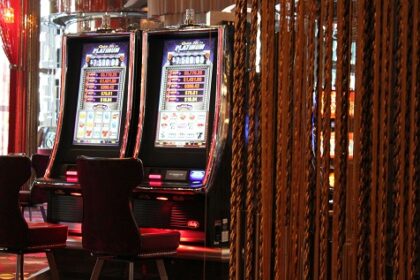
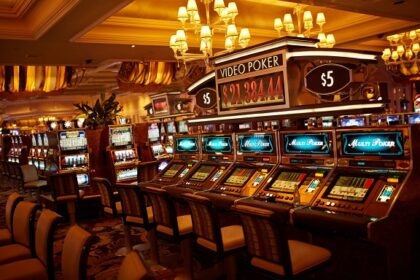
Slot machines are among the most recognizable forms of casino gambling. Their colorful displays, sound effects, and different themes make them visually engaging. However, modern regulated slot machines generally use random number generators to determine outcomes according to programmed game rules. This means the results cannot be reliably predicted by watching previous spins.
Slot machines also have a measurement called return to player, commonly shortened to RTP. This percentage represents the theoretical share of wagered money returned across a very large number of plays. It does not guarantee that an individual will receive that percentage during a session. Actual results can differ considerably because of randomness and game volatility.
A machine with a theoretical return below 100 percent has a built-in mathematical disadvantage for players. Occasional payouts do not mean the machine has become profitable for an individual. Similarly, a long series of unsuccessful spins does not mean a win is overdue. These characteristics help explain why slot machine gambling can lead to repeated financial losses.
Overconfidence Makes Casino Risks Easy to Underestimate
Overconfidence occurs when people place more trust in their abilities or predictions than the evidence supports. In casino gambling, this may involve believing that experience guarantees better financial results. Someone who has previously won might assume those outcomes demonstrate a repeatable skill. However, short-term success does not necessarily indicate an advantage over the casino.
Personal experiences can create misleading impressions about gambling performance. People often remember impressive victories more clearly than ordinary losses. They may also give greater attention to stories about successful gamblers than to the experiences of those who lost money. This selective attention can make casino gambling appear more financially rewarding than it actually is.
Confidence becomes especially risky when it replaces an accurate understanding of probability. Some games involve meaningful decisions, but no amount of confidence changes an unfavorable mathematical expectation. Treating gambling as a dependable source of income can therefore create serious financial problems. Recognizing the limitations of personal judgment is essential for understanding the true risks involved.
Repeated Small Losses Can Become Significant
Many gambling losses begin with amounts that appear relatively insignificant. A small wager may seem harmless when considered separately from other spending. However, repeating financial risks can create a substantial cumulative expense. People sometimes underestimate this effect because they focus on individual transactions instead of the total amount spent throughout a gambling session.
Repeated losses can be difficult to notice when gambling activity moves quickly. A person may remember the original amount they brought but lose track of additional spending. Occasional wins can also create confusion about the actual financial outcome. Without accurate records, it becomes harder to distinguish between money returned as winnings and genuine net profit.
The cumulative effect of repeated gambling is one reason small initial amounts do not guarantee small final losses. Financial consequences depend on total spending and returns, not merely the size of individual wagers. Frequent participation can therefore produce meaningful expenses over time. Understanding cumulative risk helps explain why gambling losses sometimes surprise people after a session ends.
Misunderstanding Casino Odds Leads to Unrealistic Expectations
Casino odds describe the likelihood of different outcomes occurring in a particular game. However, many people confuse the probability of winning with the amount a successful outcome pays. These are related but separate concepts. A game may produce frequent winning outcomes while still returning less money overall than players collectively wager.
Payout structures are especially important because they determine the financial value assigned to different results. Some outcomes provide relatively small returns, while less frequent outcomes may have larger advertised prizes. The possibility of a major payout can attract attention without revealing the overall financial expectation. Understanding the full structure requires considering both probability and payout amounts.
Another misunderstanding involves interpreting short-term results as evidence about long-term profitability. A person might experience several successful outcomes and conclude that the odds are favorable. However, a limited sample does not necessarily represent the mathematical expectation of the game. Recognizing this distinction is essential for understanding why gambling can produce occasional success alongside persistent financial losses.
Social Influence Can Affect Gambling Decisions
Social situations sometimes influence how people behave around casino gambling. Friends, celebrations, group outings, and competitive conversations can make participation seem like a normal activity. People may feel encouraged to continue because others are still playing. This pressure can affect personal financial decisions even when nobody explicitly intends to cause harm.
Stories about large casino wins can also create unrealistic expectations. Winning experiences often attract more attention than ordinary financial losses. Social media and personal conversations may emphasize dramatic outcomes while leaving out the amount previously spent. As a result, people can develop an incomplete understanding of how often casino gambling produces negative financial results.
Comparison with other people can make gambling losses emotionally difficult to accept. Someone may feel disappointed when another person appears to have better results. However, different short-term outcomes are normal in activities influenced by randomness. Personal financial decisions should not depend on matching another person’s gambling experience, especially when those experiences provide little information about the actual risks.
Casino Promotions Can Distort Perceived Financial Value
Casino advertisements often emphasize excitement, prizes, bonuses, and the possibility of receiving something valuable. Such messages can attract attention by highlighting positive outcomes. However, promotional language does not change the underlying probability of losing money. Advertising can also shape expectations when important conditions or financial limitations receive less attention than potential rewards.
Promotional credits and bonuses may contain wagering requirements, eligibility restrictions, or withdrawal conditions. These conditions can affect how much money is actually accessible to a participant. An advertised bonus is therefore not necessarily equivalent to receiving the same amount in unrestricted cash. Understanding this distinction helps explain why promotional value may differ from initial expectations.
Limited-time promotions can also create a sense of urgency that discourages careful evaluation. People may focus on the possibility of missing an opportunity rather than considering its financial implications. However, urgency does not improve the expected outcome of gambling. Evaluating promotional claims critically is important because attractive advertising can obscure the underlying risks of financial loss.
Gambling as an Income Source Creates Financial Risks
Some people view casino gambling as a possible way to earn additional income. This expectation may develop after hearing stories about unusually successful outcomes. However, gambling results are uncertain, and most casino games are mathematically designed to favor the operator. Consequently, they cannot be treated as dependable sources of earnings or financial security.
The difference between entertainment and income is particularly important when evaluating gambling losses. Employment and conventional business activities can involve uncertainty, but they generally rely on providing goods, services, or productive work. Casino gambling primarily involves risking money on uncertain outcomes. This makes it unsuitable as a substitute for dependable earnings or responsible financial planning.
Financial difficulties can become more serious when gambling is used to address existing money problems. Someone facing unexpected expenses may become attracted to the possibility of a rapid financial improvement. Unfortunately, the same activity can worsen their financial position. Recognizing that gambling is not a reliable income strategy helps explain why expectations of easy money can lead to harmful decisions.
Gambling Habits Can Become Difficult to Control
Gambling can become problematic when participation begins interfering with everyday responsibilities, relationships, or financial well-being. Warning signs may include persistent preoccupation with gambling, repeated unsuccessful attempts to stop, or continued participation despite negative consequences. These experiences are not simply matters of mathematical misunderstanding. They can involve behavioral and psychological factors that deserve serious attention.
Some people continue gambling because they anticipate excitement or relief from uncomfortable feelings. Others become focused on recovering losses or repeating a memorable winning experience. Over time, these motivations can make stopping feel increasingly difficult. This pattern can contribute to repeated financial losses even when a person recognizes that continued gambling is harmful.
Problem gambling is a recognized health concern, and support is available for people experiencing difficulties with gambling behavior. Speaking with a trusted person, qualified mental health professional, or gambling support service can help address the problem. Financial safeguards and practical support may also be beneficial. Seeking assistance early can help prevent gambling-related problems from affecting additional areas of life.
The Financial Impact of Casino Losses Goes Beyond Money
Casino losses can affect more than a person’s immediate bank balance. Money spent on gambling may no longer be available for education, housing, savings, or other important expenses. These alternative uses represent what economists call opportunity costs. Understanding opportunity costs helps show why gambling losses can influence future financial choices beyond the original amount lost.
Financial stress can also affect emotional well-being and relationships. Repeated losses may lead to worry, disagreements, secrecy, or difficulties meeting personal commitments. These consequences depend on individual circumstances and do not affect everyone in the same way. Nevertheless, they show why the impact of gambling should not be measured solely by the amount of money lost.
Long-term financial consequences can become especially serious when gambling involves borrowed money or neglected expenses. Debt obligations may continue after the gambling activity has ended. This can create pressure on future income and reduce financial flexibility. Recognizing these wider consequences provides a more complete understanding of why casino losses deserve careful attention.
Conclusion
People lose money at casinos for several interconnected reasons, including the house edge, random outcomes, emotional decisions, and misunderstandings about probability. Casinos generally operate with a mathematical advantage that supports profitability over time. While individual players can experience winning sessions, those outcomes do not remove the underlying financial risks of gambling.
Psychological factors can make these risks more difficult to recognize. Chasing losses, overconfidence, social pressure, and misleading expectations may encourage continued participation despite unfavorable results. Repeated small losses can also accumulate into significant financial problems. Understanding these patterns helps explain why casino gambling can affect people differently depending on their circumstances.
The most important lesson is that casino gambling should never be viewed as a dependable way to earn money or recover financial losses. Learning about gambling mathematics and behavioral risks can support more informed decisions. When gambling begins affecting finances, relationships, or everyday responsibilities, seeking appropriate support is an important step toward protecting long-term well-being.
Frequently Asked Questions (FAQs)
Why do most people lose money at casinos?
Most casino games include a mathematical house edge that favors the operator over time. Random outcomes, repeated participation, and emotional decisions can also contribute to financial losses, even when players occasionally win.
Can someone consistently win money at a casino?
Occasional wins are possible, but consistent profits are not guaranteed. Most casino games have unfavorable long-term mathematical expectations, meaning repeated gambling generally exposes participants to financial losses rather than dependable earnings.
Why do people continue gambling after losing money?
People may continue because they want to recover previous losses or believe a win is approaching. Emotional pressure, overconfidence, and the gambler’s fallacy can make stopping more difficult.
Do casinos control who wins and loses?
Regulated casino games operate under established rules and technical standards, including requirements for randomness where applicable. Casinos generally profit through built-in mathematical advantages rather than needing to determine every individual player’s outcome.
What is the biggest reason people lose money gambling?
The house edge is a fundamental mathematical reason behind long-term casino losses. However, repeated gambling, misunderstanding probability, and chasing losses can substantially increase the financial consequences experienced by individual players.